
What Is the Safest Way to Transport a Dual Fuel Generator?

The safest way to transport a dual fuel generator is to ensure it is completely cool and turned off. You must also secure it properly to prevent movement and drain any remaining fuel. This prevents accidental startups and fuel spills, keeping you and others safe during transport. Always check your generator’s manual for specific transport instructions.
Transporting a generator requires careful planning. You’ll want to consider how you’ll secure the unit in your vehicle. This includes preventing it from tipping over or sliding around. Many sources suggest taking specific precautions based on the generator’s fuel type and size to avoid damage and safety hazards.
- Always let the generator cool down completely.
- Turn it off and disconnect any power sources.
- Drain fuel if recommended by the manufacturer.
- Secure it firmly in your vehicle to prevent shifting.
Below, we’ll walk you through the best practices for safely transporting your dual fuel generator.
Moving Your Dual Fuel Generator Safely
Transporting a dual fuel generator requires attention to detail. Your goal is to get it from point A to point B without incident. This means preventing damage to the unit and avoiding fuel leaks or accidental startups. We’ve gathered best practices to help you move it confidently.
Pre-Transport Preparations: Cooling and Fuel Management
Before you even think about lifting your generator, several critical steps need your attention. These steps are designed to prevent fires, spills, and potential injury. They might seem simple, but they are the most important parts of the process.
Letting It Cool Down is Non-Negotiable
Generators produce heat when they run. The exhaust and engine components can get extremely hot. Trying to move a hot generator is a recipe for disaster. You could burn yourself badly. You could also damage the surfaces you place it on. Always give your generator ample time to cool down completely after use. This usually means waiting at least 30 minutes, but check your manual. A cool generator is a safer generator.
The Importance of Turning It Off
This might sound obvious, but it’s worth repeating. Ensure the generator is completely turned off before you move it. This isn’t just about the engine. You need to switch off any power output controls. Make sure all connected appliances are unplugged. An accidental startup during transport could be very dangerous.
Fuel Drainage: A Critical Safety Measure
Dual fuel generators can run on gasoline or propane. The storage and handling of these fuels are key to safe transport. For gasoline engines, draining the fuel is often recommended by manufacturers. Leaving gasoline in the tank can lead to spills. These spills are not only messy but also pose a significant For gasoline engines, draining the fuel is often recommended by manufacturers, as detailed in our guide on how to switch a dual fuel generator from gas to propane.fire hazard. Many experts suggest running the generator until it’s almost out of gas. Then, drain the remaining fuel into an approved container. For propane tanks, the situation is a bit different.
Propane Tank Considerations
If your generator is connected to a propane tank, disconnect it. Always turn the valve on the propane tank to the off position. Ensure the valve is fully closed. Transport the propane tank separately if possible. This minimizes the risk of leaks. Make sure the tank is upright and secured. Never transport a generator with a connected, open propane tank. The National Fire Protection Association (NFPA) provides guidelines on safe propane handling, stressing proper ventilation and secure connections. For propane tanks, always turn the valve off completely and transport the propane tank separately if possible, as explained in our guide on starting on propane.
Disconnecting Power Sources
Beyond turning off the generator itself, take a moment to disconnect all external power sources. This includes any extension cords plugged into the generator. It also means ensuring any batteries used for electric start are disconnected or have their terminals covered if recommended by the manufacturer. This prevents any stray electrical charge.
Securing Your Generator for Travel
Once your generator is cool, off, and (if necessary) drained, it’s time to think about how it will sit in your vehicle. Generators can be heavy and awkward. Improperly secured units can tip over, slide, or get damaged. Finding a stable position is essential.
Choosing the Right Vehicle and Position
The best way to transport a generator is often in a sturdy vehicle. An SUV, truck, or van is usually ideal. Place the generator on a flat, level surface within the vehicle. Avoid placing it on uneven ground or near fragile items. The goal is to keep it upright. Most generators are designed to operate in an upright position. Laying them on their side can cause oil to leak into the engine’s combustion chamber or exhaust system. This can cause serious damage.
Using Straps and Tie-Downs Effectively
You’ll need tie-down straps or sturdy rope to secure the generator. Wrap the straps around the generator’s frame or designated tie-down points. Attach the other ends to strong anchor points in your vehicle. These could be cargo tie-down loops in a truck bed or D-rings in an SUV. Ensure the straps are tight and secure. Give the generator a gentle push to test if it moves. If it shifts, tighten the straps further. You want it to feel like part of the vehicle, not a loose object.
What to Avoid
Don’t just wedge the generator between other items. This might seem like a good idea, but those items can shift during transit. They could also damage the generator. Never use bungee cords for primary securing. They can stretch and fail, leading to a loose generator. Focus on ratchet straps or strong, non-stretching ropes.
Protecting Against Damage and the Elements
Consider protecting your generator during transport. If you’re using an open truck bed, a tarp can shield it from rain, dust, and road debris. You can also use moving blankets or bubble wrap to protect the generator’s housing and sensitive parts. This adds an extra layer of security against bumps and scrapes. A clean generator arrives ready to work.
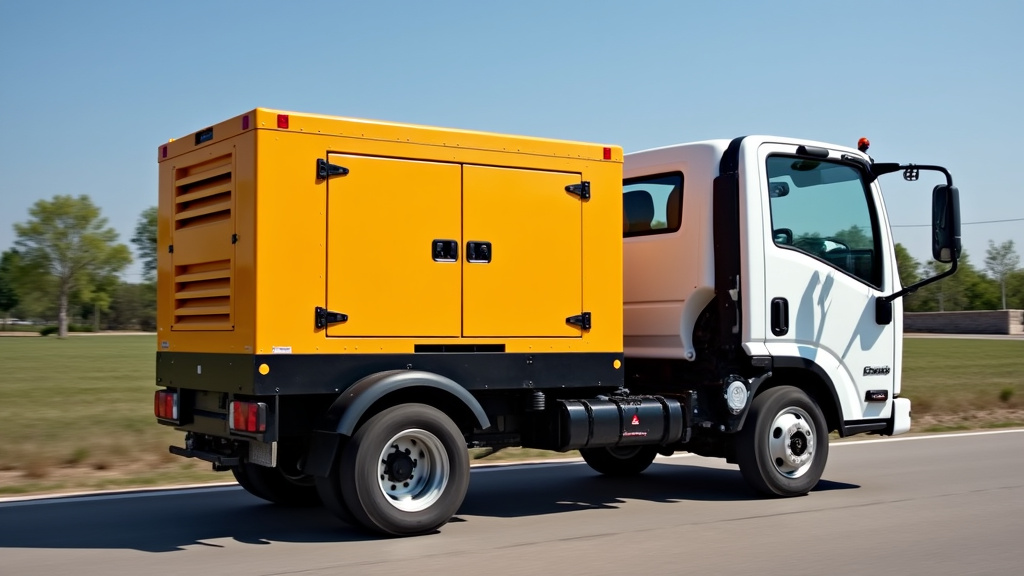
Generator Transport Checklist
Here’s a quick rundown to make sure you haven’t missed anything:
- Ensure the generator is completely cool to the touch.
- Verify the generator is turned off and all power is disconnected.
- Drain gasoline if recommended by the manufacturer.
- Disconnect and secure propane tanks separately.
- Position the generator upright on a flat surface.
- Use straps to secure it firmly to prevent any movement.
Dual Fuel Specifics: What to Know
Dual fuel generators offer flexibility, but this means two types of fuel to manage during transport. While gasoline needs careful draining, propane tanks have their own set of rules.
Propane Tank Safety
Propane tanks must always be transported in an upright position. This is crucial for safety. When upright, the tank’s safety valve is positioned correctly. This valve releases pressure safely if needed. If a propane tank is transported on its side, this valve might leak liquid propane. Liquid propane can pool in low-lying areas and create an explosion risk. The U.S. Department of Transportation (DOT) has strict regulations regarding propane tank transport, emphasizing securement and valve protection.
Checking Your Generator’s Manual
Every generator model is slightly different. Your generator’s owner’s manual is your ultimate guide. It will contain specific instructions tailored to your unit. Pay close attention to sections on storage and transport. It might have specific recommendations for fuel drainage or securing methods. Don’t guess; consult the manual for the safest approach. Many manuals also advise on the proper way to start the generator after transport, especially after fuel drainage.
Conclusion
You’ve learned the essential steps to safely transport your dual fuel generator. Remember, a cool, turned-off generator with properly managed fuel is key. Always secure your unit upright to prevent damage and leaks. By following these guidelines and always consulting your owner’s manual, you can ensure a smooth and safe journey for your generator. Take a moment to review your generator’s manual before your next move. It’s your best resource for specific handling instructions.
Frequently Asked Questions
How do I know if my generator is cool enough to move?
You’ll know your generator is cool enough to move when its engine and exhaust components are no longer hot to the touch. This typically takes at least 30 minutes after shutting it down, but always check your manual for the exact recommended cooling time for your specific model.
Is it ever okay to transport a generator with some fuel still in it?
While it’s best practice to drain gasoline if your manual recommends it, some generators may allow for transport with a minimal amount of fuel. However, it’s crucial to ensure the engine is off and any remaining fuel is contained properly to prevent spills and hazards.
What’s the biggest risk if I don’t secure my generator properly?
The biggest risk is the generator shifting or tipping over during transport. This can cause physical damage to the generator itself, as well as potential fuel leaks which create fire hazards. It could also damage your vehicle.
Do I need to worry about the propane tank if I’m transporting the generator on gasoline?
Yes, even if you’re primarily using gasoline, if your generator is a dual fuel model, you must still handle the propane tank safely. Always disconnect the tank, turn its valve off completely, and transport it upright and secured separately from the generator.
Can I lay my generator on its side during transport?
No, you should never lay your generator on its side during transport. Generators are designed to operate and be transported in an upright position. Laying it on its side can cause oil to leak into internal engine components or the exhaust, leading to serious damage.
