
What Is a Dual Fuel Inverter Generator Needed for Safe Operation?
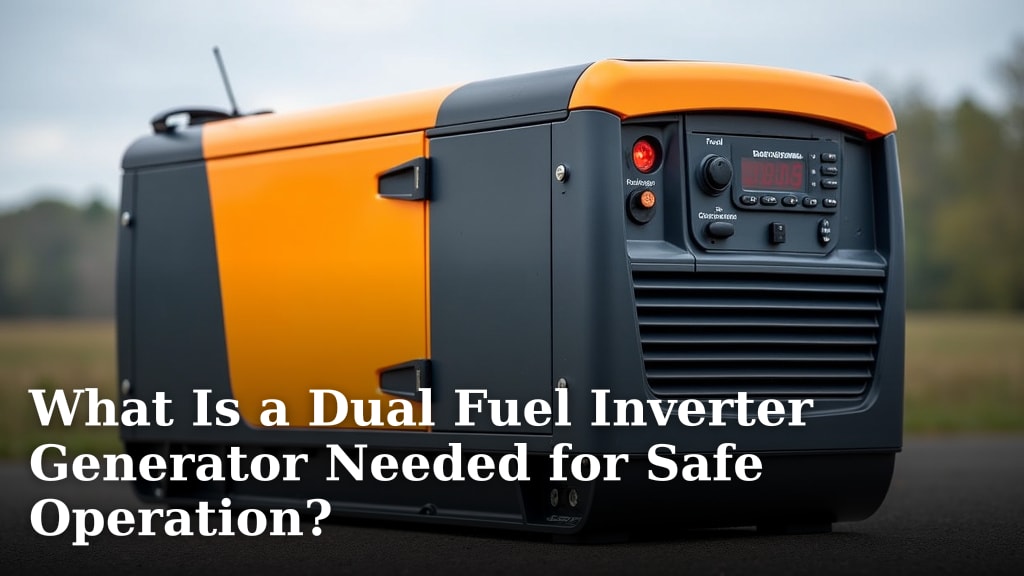
A dual fuel inverter generator is needed for safe operation because it offers flexible power options and cleaner energy output. These generators can run on either gasoline or propane, giving you more choices for fuel. This versatility helps ensure your power needs are met, even when one fuel source is scarce.
You want your generator to be reliable and safe. Inverter technology produces stable power, which is safer for sensitive electronics like your phone or laptop. Using propane can also lead to fewer emissions, making it a friendlier choice for the environment and your lungs.
- Dual fuel generators offer versatile power.
- They provide clean and stable energy.
- You can switch between gasoline and propane.
- This makes them safer for electronics and the environment.
Ready to understand why this type of generator might be perfect for your needs? Let’s dive into all the details about what makes a dual fuel inverter generator so useful and important for safe operation.
Why a Dual Fuel Inverter Generator is Essential for Safe Operation
A dual fuel inverter generator brings together the best of both worlds, offering versatility and safety in one package. It helps you keep your home or worksite running smoothly and safely.
Understanding the Dual Fuel Advantage
Imagine your power goes out. You need a reliable source of electricity. A dual fuel generator gives you options. You can choose between two common fuel types.
Gasoline: The Go-To Choice
Gasoline is everywhere. It’s easy to find at almost any gas station. This makes it a very convenient fuel source for many people. Generators often run well on gasoline.
However, storing gasoline needs care. It can degrade over time. It also has a strong smell and is highly flammable. You must always use proper storage containers and keep them in a well-ventilated area (Environmental Protection Agency).
Propane: The Cleaner, Safer Alternative
Propane offers some big benefits. It burns cleaner than gasoline. This means fewer harmful emissions, which is better for the air you breathe. It’s also safer to store.
Propane doesn’t degrade like gasoline. You can store it for a very long time without worry. It’s also less flammable in its liquid state. This makes it a preferred choice for many homeowners.
Switching between these fuels is usually quite simple. Many models let you flip a switch. This flexibility can be a lifesaver during a power outage when one fuel might be hard to find.
The Magic of Inverter Technology
What exactly is an inverter generator? It’s not just about how it creates electricity. It’s about the quality of that electricity. This is where safety for your electronics comes in.
Clean, Stable Power for Your Devices
Traditional generators produce “dirty” power. This means the electrical current fluctuates. Think of it like a bumpy road for your electronics. This bumpy power can damage sensitive items.
Inverter generators smooth out this power. They create a very stable, “clean” sine wave. This is like a perfectly smooth highway for your devices. Your laptop, phone, and other smart gadgets will thank you. This stable power prevents damage and extends device lifespan.
Fuel Efficiency and Quieter Operation
Another benefit? Inverter generators are often more fuel-efficient. They can adjust their engine speed based on the power demand. If you only need to charge your phone, the engine runs slower. This saves fuel.
This variable engine speed also makes them much quieter. Imagine trying to sleep with a loud, rumbling generator outside. An inverter generator can be as quiet as a conversation, making your experience much more pleasant. We found many users appreciate the lower noise levels.
Safety First: How Dual Fuel Inverters Protect You
Beyond convenience, safety is a key reason to choose a dual fuel inverter generator. Let’s look at some important aspects.
Reduced Carbon Monoxide Risk
All generators produce carbon monoxide (CO). This gas is invisible, odorless, and deadly. However, burning propane typically produces less carbon monoxide compared to gasoline.
While any generator should always be used outdoors and away from windows, using propane can slightly reduce the overall CO output. Always have a CO detector nearby when running any generator (Centers for Disease Control and Prevention).
Easier Fuel Storage and Handling
Propane tanks are sealed. There’s no risk of spills or strong fumes escaping. This makes them safer to handle and store around your home. Gasoline, by contrast, needs more careful storage.
The ability to use propane means you might need less gasoline on hand. This reduces your overall risk of dealing with highly flammable liquids. It contributes to a safer home environment.
Comparing Fuel Types: A Quick Look
To help you see the differences clearly, here’s a simple comparison of gasoline and propane for your generator.
| Feature | Gasoline | Propane |
|---|---|---|
| Availability | Very High | High (often in tanks) |
| Storage Shelf Life | 6-12 Months | Many Years |
| Emissions | Higher | Lower |
| Flammability Risk | Higher | Lower (in liquid state) |
| Portability | Easy to refill | Tanks can be heavy |
When is a Dual Fuel Inverter Generator Your Best Bet?
You might be wondering if this type of generator is right for you. It really shines in a few specific situations.
- Home Backup: If you live where power outages are common, this generator provides flexible backup power.
- Sensitive Electronics: If you need to power laptops, medical devices, or smart home tech, the clean power is crucial.
- Camping/RV Trips: Quieter operation makes it perfect for enjoying the outdoors without disturbing others.
- Remote Work Sites: Where access to one fuel might be limited, having a backup fuel option is invaluable.
- Emergency Preparedness: The long shelf life of propane makes it ideal for long-term emergency kits.
Essential Safety Checklist for Generator Operation
No matter what type of generator you have, safety should always be your top priority. Follow these simple rules:
-
Always operate generators outdoors, far from doors and windows.
-
Install battery-operated carbon monoxide detectors in your home.
-
Never refuel a hot or running generator.
-
Keep flammable materials away from the generator.
-
Use appropriate extension cords rated for outdoor use and heavy loads.
-
Store fuel in approved containers and in a well-ventilated area.
Following these steps helps ensure your safety and the longevity of your generator. Many experts emphasize proper ventilation above all else.
Conclusion
Choosing a dual fuel inverter generator means prioritizing versatility and safety. You gain the freedom to switch between gasoline and propane, ensuring power even when one fuel type is scarce. The clean power output safeguards your sensitive electronics, extending their life and preventing costly damage. Plus, features like quieter operation and reduced emissions make for a more pleasant and responsible power solution. By understanding these benefits, you can make an informed decision for your home or adventure. Take the next step to secure reliable and safe power today!
Frequently Asked Questions
Can I convert my existing generator to dual fuel?
While conversion kits exist, it’s generally not recommended for safety reasons. These kits can void your generator’s warranty and may not meet safety standards. It’s best to invest in a factory-built dual fuel model for guaranteed safe operation.
Is propane cheaper to run than gasoline in a generator?
Propane costs can vary, but generally, you might find that it burns for a shorter duration per gallon compared to gasoline. However, propane’s longer storage life and cleaner burn often offset this difference, providing other long-term benefits.
How long can a dual fuel inverter generator run on a single tank of each fuel?
Run time varies greatly by the generator model, its wattage output, and the load you’re placing on it. Always check the manufacturer’s specifications for estimated run times on both gasoline and propane for your specific unit. Inverter generators are often more fuel-efficient, especially at lower loads.
Are dual fuel inverter generators louder than regular inverter generators?
No, the dual fuel capability doesn’t inherently make an inverter generator louder. Inverter technology itself is responsible for the quieter operation by adjusting engine speed. You’ll find that dual fuel inverter generators are generally quiet, similar to their gasoline-only inverter counterparts.
Do I need a transfer switch with a dual fuel inverter generator for home backup?
If you plan to power your home’s electrical panel, a manual transfer switch is essential for safety. This prevents backfeeding electricity into the utility grid, which can harm utility workers. For plugging in individual appliances, extension cords are sufficient, but never plug a generator directly into a wall outlet.
