
What Is a Dual Fuel Generator Worth Buying for Home Backup?
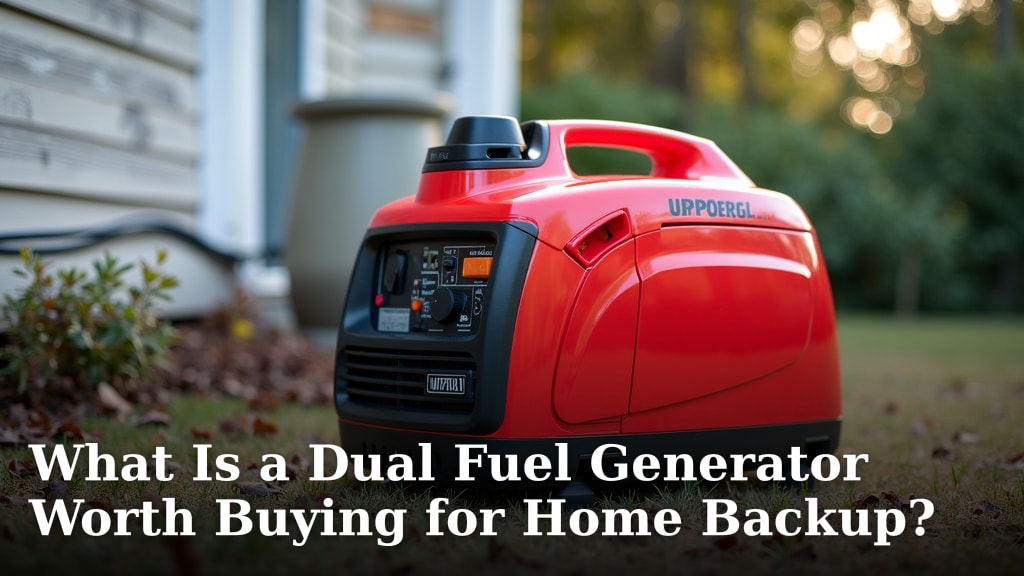
Yes, a dual fuel generator is often worth buying for home backup. These generators give you more flexibility during power outages. They can run on either gasoline or propane, which is super handy.
You get options, which means you’re better prepared. If one fuel source isn’t available, you can just switch to the other. This makes them a reliable choice for keeping your home running.
- Dual fuel generators offer flexibility with fuel types.
- You can choose between gasoline or propane.
- This provides a reliable power source during outages.
- They are a smart investment for home backup.
Let’s dive into why these versatile machines are becoming so popular for homeowners like you.
Is a Dual Fuel Generator a Smart Investment for Your Home?
Yes, for many homeowners, a dual fuel generator is a very smart investment. You get the best of both worlds: the power of gasoline and the stability of propane. This means you’re prepared for more situations.
Think of it like having a backup for your backup. If one fuel source isn’t readily available, you have another option. This flexibility is key during unexpected outages.
How Dual Fuel Generators Actually Work
It’s simpler than you might think. A dual fuel generator has an engine that can operate on two different types of fuel. You just switch between them. Most units use gasoline as the primary fuel.
Propane typically acts as the secondary fuel. There’s usually a selector switch or valve that lets you choose. It’s designed to be user-friendly and straightforward.
The Engine’s Role
The engine itself is built to handle the different fuel properties. It’s not like you’re putting the wrong fuel into your car. These engines are specifically engineered for dual-fuel compatibility.
When you switch fuels, the engine adjusts its internal workings slightly. This ensures it continues to run smoothly and efficiently. You won’t notice a big performance drop between fuels.
The Big Advantages: Why Choose Dual Fuel?
Choosing a dual fuel generator brings several significant benefits. These advantages often outweigh the slightly higher initial cost. You’re investing in peace of mind and reliability.
Unmatched Fuel Flexibility
This is the biggest selling point, truly. Imagine a power outage after a hurricane. Gasoline might be hard to find. But you might have propane tanks on hand from your grill or fireplace (CDC).
Or perhaps you run out of propane. If local gas stations are open, you can switch to gasoline. This adaptability helps you keep your lights on no matter the situation.
Longer Storage Life for Propane
Gasoline can go bad over time. It can gum up your engine if stored too long. The U.S. Energy Information Administration notes that gasoline can degrade in just a few months.
Propane, however, can be stored almost indefinitely. It doesn’t degrade. This makes it an excellent long-term storage option for emergencies. You won’t worry about stale fuel.
Cleaner Burning Fuel Option
Propane burns much cleaner than gasoline. It produces fewer emissions and less soot. This is better for the environment and can also mean less wear and tear on your generator’s engine over time.
Running on propane might extend the life of your generator. You could also have fewer maintenance issues down the road. Who doesn’t want less hassle?
Considering the Downsides: What Are the Trade-offs?
No product is perfect, and dual fuel generators have a few drawbacks. It’s important to know these so you can make an informed decision. We want you to be fully prepared and aware.
Higher Initial Cost
Dual fuel generators generally cost more upfront than single-fuel (gasoline-only) models. You’re paying for the added engineering and versatility. It’s like buying a car that can run on two different types of fuel — it’s more complex.
However, many people find the benefits justify this extra expense. Think of it as an insurance policy for your power needs. What’s power worth to you during an extended outage?
Slightly Lower Power Output with Propane
When running on propane, most dual fuel generators will produce slightly less power (kilowatts) than on gasoline. This difference is usually not huge, maybe 10-15% (Energy.gov).
It’s something to consider when sizing your generator. If you need 5000 watts, make sure the generator can deliver that on propane. Always check the propane power rating.
Fuel Consumption Differences
Propane typically burns faster than gasoline for the same amount of energy output. This means you might need more propane to run for the same duration compared to gasoline. It’s not a major issue, but it’s worth noting.
This is why having multiple propane tanks is a good idea. You want to ensure you have enough fuel to last as long as you need. A quick check of your expected run time per gallon/tank is helpful.
Making Your Decision: Is Dual Fuel Right for Your Home?
To figure out if a dual fuel generator is right for you, consider your specific needs. Think about your location, how often outages occur, and your budget. We’ve done some research to help you decide.
When Dual Fuel Shines Brightest
Here’s a checklist to help you see if a dual fuel generator is your ideal choice:
- You experience frequent or long power outages.
- You want the ability to choose between different fuel sources.
- You prefer cleaner-burning fuel for environmental reasons.
- You have propane readily available (e.g., for grilling or heating).
- You value the long-term storage stability of propane.
Comparing Your Options: Dual Fuel vs. Single Fuel
Let’s look at a quick comparison to summarize. This helps clarify the main differences between generator types.
| Feature | Dual Fuel Generator | Gasoline-Only Generator |
|---|---|---|
| Fuel Type(s) | Gasoline & Propane | Gasoline |
| Fuel Flexibility | Excellent (switch between fuels) | Limited (gasoline only) |
| Propane Storage | Yes, long shelf life | N/A |
| Gasoline Storage | Yes, but degrades | Yes, but degrades |
| Emissions | Lower on propane | Higher on gasoline |
| Initial Cost | Higher | Lower |
| Power Output | Slightly lower on propane | Consistent on gasoline |
Important Safety Tips for Generator Use
No matter what type of generator you choose, safety is paramount. Generators produce carbon monoxide, a colorless, odorless gas that can be deadly. Always follow manufacturer guidelines.
- Never run a generator indoors or in an attached garage.
- Place your generator at least 20 feet away from your home.
- Direct the exhaust away from windows and doors.
- Install carbon monoxide detectors in your home (CDC).
- Ensure your generator is properly grounded to prevent shock.
- Have a qualified electrician install a transfer switch if connecting to your home’s electrical system.
These simple steps protect you and your family. Your safety is always the top priority.
Conclusion
You’ve seen that a dual fuel generator offers incredible flexibility and peace of mind. Being able to switch between gasoline and propane can be a lifesaver during unexpected power outages. While they come with a slightly higher upfront cost, the benefits of fuel adaptability and longer propane storage often outweigh this.
Considering the trade-offs, like reduced power on propane, helps you make an informed choice. Weigh your specific needs against the advantages presented. If reliability and versatility are top priorities for your home backup, a dual fuel generator is absolutely worth the investment for you.
Frequently Asked Questions
Are dual fuel generators harder to maintain than gasoline-only models?
No, they are generally not harder to maintain. The maintenance schedule is similar to gasoline generators. The primary difference is simply having the option to use two fuel types. Using propane can even lead to less engine wear over time.
Can I convert an existing gasoline generator to a dual fuel generator?
While conversion kits exist, it’s generally not recommended for home backup. These kits can void your generator’s warranty and may not be as reliable or safe as a factory-built dual fuel unit. Always prioritize safety and performance with a purpose-built generator.
How much propane do I need to store for a dual fuel generator?
The amount of propane you need depends on your generator’s consumption rate and how long you expect to run it. A good rule of thumb is to have at least two 20-pound propane tanks (like for a grill). This provides several hours of run time, but more is always better for extended outages.
Is it safe to store propane tanks near my home?
Propane tanks should always be stored outdoors in a well-ventilated area. Keep them away from direct sunlight and any ignition sources. Never store propane tanks indoors or in a garage, as this can pose a serious safety hazard.
Do dual fuel generators make more noise than other types?
The noise level of a dual fuel generator is typically comparable to a gasoline-only generator of similar size and power. Factors like engine size and enclosure design affect noise more than the dual fuel capability itself. Look for models with decibel ratings if noise is a concern for you.
