
What Do You Need to Use a Generator Surge Protector?
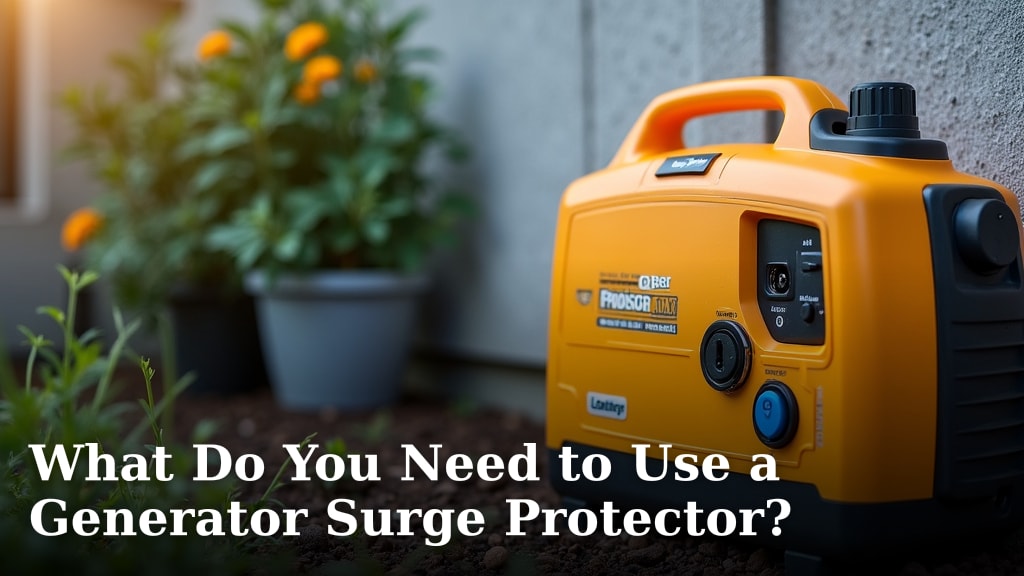
To use a generator surge protector, you simply need a surge protector with enough outlets for your devices and a generator that produces stable power. Many generators have built-in surge protection, but an external surge protector adds another layer of defense against voltage spikes. This ensures your sensitive electronics are shielded from potential damage.
We found that a generator surge protector is a smart addition if you’re powering electronics like laptops or TVs. It helps safeguard your gear from the unpredictable power fluctuations that generators can sometimes produce. Think of it as a tiny bodyguard for your beloved gadgets, keeping them safe from sudden electrical jolts.
- A generator surge protector shields your devices from power spikes.
- Ensure your surge protector has enough outlets for all your electronics.
- Check if your generator already has built-in surge protection.
- It’s an extra layer of defense for sensitive equipment.
Let’s walk through exactly what you’ll need to get your generator and surge protector working together safely and effectively.
“`htmlWhat You Need for Generator Surge Protection
To effectively use a generator surge protector, you primarily need a generator that provides a stable electrical output and a surge protector with enough outlets. It’s about matching your protection device to your power source. Think of it like pairing the right charger for your phone; it needs to be compatible to work well.
Understanding Your Generator’s Power Output
Generators can be a lifesaver during power outages. However, not all generators produce the same kind of power. Some are more stable than others. The key is to understand your generator’s capabilities.
Stable vs. Unstable Power
A generator’s power output is measured in volts. When this voltage fluctuates, it can be harmful to your electronics. Power surges happen when there’s a sudden increase in voltage. Conversely, voltage drops can also cause issues. A generator surge protector acts as a buffer against these changes. To effectively use a generator surge protector, you primarily need a generator that provides a stable electrical output and a surge protector with enough outlets.
Checking Your Generator’s Specifications
Your generator likely came with a manual. This manual is your best friend for understanding its technical details. Look for information on its wattage output and voltage stability. Many newer, inverter generators are designed to produce cleaner, more stable power. Older, conventional generators might be more prone to fluctuations.
Built-In Generator Protection
Some generators actually come with built-in surge protection. It’s worth checking your generator’s manual or specifications to see if this feature is already included. If it is, you might only need an additional surge protector for extra peace of mind, rather than a full-fledged surge protector.
Choosing the Right Surge Protector
Selecting the correct surge protector is vital. It’s not a one-size-fits-all situation. You need to consider how many devices you plan to connect and what kind of protection you require.
Outlet Capacity
How many things do you need to plug in? Count the electronic devices you intend to power using the generator. Then, find a surge protector that offers at least that many outlets. It’s always a good idea to have one or two extra outlets for future needs. Running out of outlets mid-power outage is frustrating.
Joule Rating
The joule rating tells you how much energy the surge protector can absorb before it fails. A higher joule rating generally means better protection. For sensitive electronics, aim for a surge protector with a rating of at least 1000 joules. For less critical items, a lower rating might suffice, but higher is usually better.
Clamping Voltage
Clamping voltage is the point at which the surge protector starts to divert excess electricity away from your devices. Lower is better here. Many experts recommend a clamping voltage of 400 volts or less. This ensures the protector acts quickly to shield your gear.
Types of Surge Protectors
There are different types of surge protectors. Basic power strips offer multiple outlets but little to no surge protection. You need a device specifically labeled as a surge protector or surge suppressor. For generator use, look for models designed to handle the specific electrical characteristics of generator power, sometimes referred to as “generator-rated” surge protectors, though this is less common. Most standard surge protectors will offer a good level of defense.
Connecting Your Generator and Surge Protector Safely
Once you have your generator and surge protector, proper connection is key. Safety should always be your top priority.
Read Both Manuals Thoroughly
We cannot stress this enough: read the user manuals for both your generator and your surge protector. They contain important safety information and specific instructions for use. Missing a critical step could lead to damaged equipment or even safety hazards. The manufacturers know their products best.
Proper Grounding is Essential
Grounding helps dissipate excess electrical energy safely. Your generator should be properly grounded according to its manual’s instructions. Similarly, most surge protectors need to be plugged into a grounded outlet. This is a fundamental safety feature. A properly grounded system is much safer.
Avoid Overloading
Don’t try to power more devices than your generator and surge protector can handle. Overloading can damage both your equipment and your surge protector. Check the wattage limits for both devices. If you’re unsure, it’s better to err on the side of caution and use fewer devices.
What You’ll Need – A Quick Checklist
Here’s a quick rundown of what you need to have ready:
- Your Generator (checked for stable power output)
- A Surge Protector (with sufficient outlets and a good joule rating)
- The User Manuals for both devices
- Proper Grounding Equipment (as per generator manual)
- An understanding of your devices’ power needs
Conclusion
You’ve learned that using a generator surge protector is straightforward. It mainly requires a generator with stable power and a surge protector that fits your needs. Remember to check your generator’s built-in protection first. Then, select a surge protector with enough outlets and a good joule rating. Proper grounding and reading manuals are key for safety. Take these steps to protect your electronics effectively.
Frequently Asked Questions
Do all generators need a surge protector?
Not necessarily. Newer inverter generators often produce very stable power and may have built-in protection. However, older or conventional generators can have more fluctuations. Adding an external surge protector is always a good idea for sensitive electronics, regardless of your generator type.
How do I know if my generator has built-in surge protection?
The best way to find out is to consult your generator’s user manual. It will detail all safety features, including any integrated surge protection. If you can’t find the manual, check the manufacturer’s website for your specific model’s specifications.
Can I use a regular power strip with my generator?
A regular power strip will give you more outlets, but it won’t provide surge protection. You need a device specifically labeled as a surge protector or surge suppressor. These have components designed to absorb voltage spikes, unlike basic power strips.
What happens if I plug too many devices into my surge protector?
Plugging too many devices can overload your surge protector, generator, or both. This could cause your surge protector to fail prematurely or even trigger a breaker on your generator. Always check the wattage limits and avoid exceeding them.
Is a higher joule rating always better for a generator surge protector?
Yes, a higher joule rating generally means your surge protector can absorb more energy from voltage spikes before it wears out. For valuable or sensitive electronics powered by a generator, opting for a surge protector with a higher joule rating is a wise choice for better, longer-lasting protection.
