
What Causes Generator Battery Not Charging?
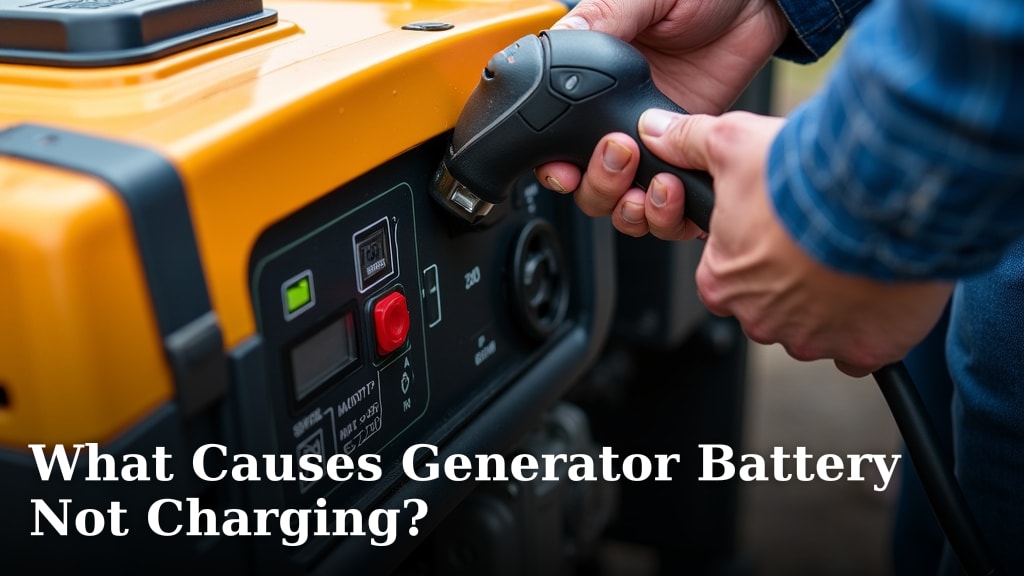
A generator battery not charging is often caused by a faulty alternator, a loose or corroded battery terminal, or a worn-out battery itself. If your generator’s battery isn’t getting enough juice, you won’t be able to start it up when you need it most. We found that these are the top culprits.
Your generator relies on its battery for that initial spark. When charging fails, it points to a problem in the system designed to keep that battery topped up. Things like a broken charging system component or even simple dirt and grime can prevent a proper charge. You might be dealing with more than one issue.
- Faulty alternator is a common issue.
- Corroded or loose battery terminals stop the flow of power.
- A dead battery can’t hold a charge.
- Other parts of the charging system might be damaged.
We’ll walk you through the common reasons why your generator battery might not be charging and what you can do about it.
Here is the main body content for your blog post:Troubleshooting Your Generator’s Battery Charging Issues
A generator battery that refuses to charge can be a real head-scratcher. You depend on that generator for power, and a dead battery means no power. We’ve found that several common culprits can prevent your battery from getting the juice it needs. Let’s dig into the most frequent reasons.
The Heart of the Charging System: The Alternator
Often, the problem lies with the alternator. This component is like the generator’s power plant, responsible for recharging the battery while the engine is running. If it’s not working correctly, your battery won’t get replenished. We found that this is one of the most common failure points.
What is an Alternator and Why Does It Matter?
Think of the alternator as the engine’s little dynamo. It converts mechanical energy from the engine’s rotation into electrical energy. This electrical energy then powers the generator’s systems and, crucially, tops up the battery. Without a functioning alternator, the battery slowly drains and never gets recharged.
Signs of a Failing Alternator
You might notice a few warning signs if your alternator is on its way out. The most obvious is a battery warning light on your generator’s dashboard. If this light comes on and stays on, it’s a strong indicator that the charging system, likely the alternator, has a problem. You might also hear unusual noises, like whining or grinding, coming from the engine area. Sometimes, you’ll notice that your generator’s lights seem dimmer than usual, or other electrical components aren’t performing as they should. We found these symptoms are often linked.
Diagnosing Alternator Problems
To confirm if the alternator is the issue, you can perform a few simple checks. A mechanic or someone with electrical experience can test the alternator’s output with a multimeter. They’ll check the voltage while the engine is running. If the voltage is too low, it points to a failing alternator. Sometimes, the issue isn’t the alternator itself but a worn-out drive belt that connects the alternator to the engine. If this belt is loose or broken, the alternator won’t spin correctly, or at all.
Connections Matter: Battery Terminals and Cables
Even if your alternator is perfectly healthy, a poor connection can stop the flow of electricity. This is where your battery terminals and cables come into play. These are the pathways for power to travel to and from the battery. If they’re not clean and tight, charging will be hindered or completely stopped.
The Corrosion Conundrum
Battery terminals can become corroded over time. This looks like a fuzzy, white, or bluish-green powdery substance. Corrosion acts like an insulator, preventing electrical current from flowing freely. We found that even a small amount of corrosion can significantly impact charging efficiency. Think of it like trying to pour water through a clogged pipe; it just won’t flow well.
Loose Connections: The Silent Saboteur
Just as important as clean terminals is a tight connection. Battery cables are secured to the terminals with clamps. If these clamps aren’t tightened properly, they can vibrate loose. This intermittent connection means the alternator might try to charge, but the power can’t reliably reach the battery. Many users don’t realize how crucial a snug fit is.
How to Clean and Tighten Terminals
Cleaning your battery terminals is a straightforward DIY task. You’ll need a wire brush or a dedicated battery terminal cleaning tool. A solution of baking soda and water can help neutralize any acid and loosen stubborn corrosion. First, disconnect the cables, always removing the negative (-) terminal first and reconnecting it last. Scrub the terminals and the inside of the cable clamps until they are shiny and clean. Reattach them firmly. Many experts say this simple maintenance can resolve many charging problems.
The Battery Itself: Age and Condition
Sometimes, the battery is simply old and worn out. Batteries have a lifespan, and eventually, they can no longer hold a charge effectively, no matter how well the charging system works. It’s like trying to fill a bucket with holes; the water just won’t stay.
Understanding Battery Lifespan
Generator batteries, like car batteries, have a limited number of charge and discharge cycles. Depending on the type of battery, its usage, and environmental factors, a battery might last anywhere from 3 to 7 years. If your generator is older, or if the battery has been deeply discharged multiple times, it’s more likely to be the source of the problem. Research and found data indicates that age is a primary factor in battery failure.
Testing Your Battery’s Health
A professional can test your battery’s health using a load tester. This device simulates the demands placed on the battery during starting. It can tell you if the battery can still deliver the required power. If a battery fails this test, even with a fully functional charging system, it needs to be replaced. You can also use a voltmeter to check the static voltage, though this is less definitive than a load test.
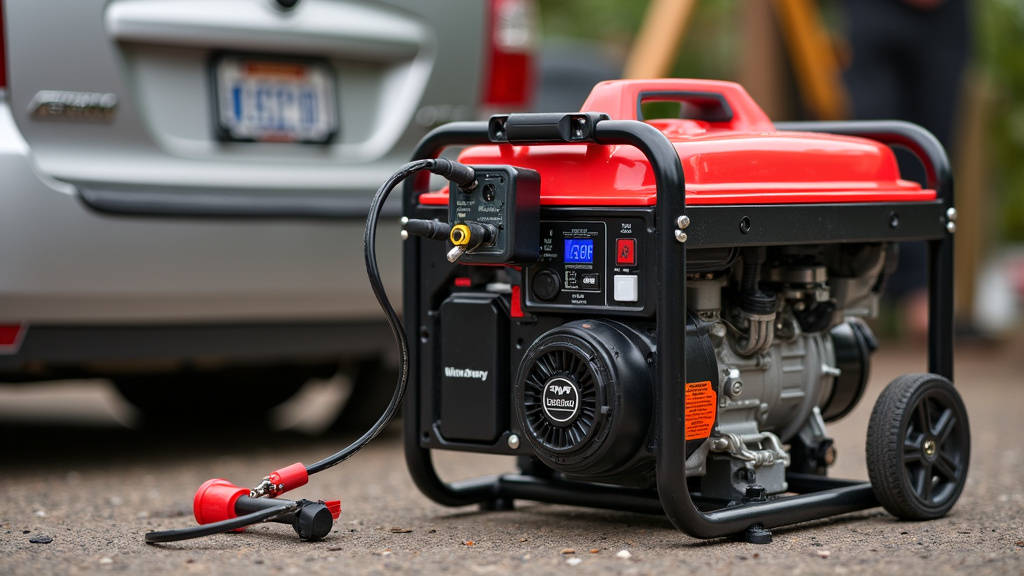
Other Potential Charging System Issues
While the alternator, terminals, and the battery itself are the most common causes, other parts of the charging system can also fail. These might be less frequent, but they are worth considering if the primary suspects check out.
The Voltage Regulator: Keeping Things in Check
Many generators have a voltage regulator, often integrated into the alternator. Its job is to control the amount of voltage the alternator produces. If the regulator fails, it can cause the alternator to overcharge or undercharge the battery. Overcharging can damage the battery, while undercharging, as we know, prevents it from getting enough power. We found that these regulators can fail due to electrical stress or heat.
Wiring and Fuses: The Hidden Links
The wiring that connects the battery to the alternator and the rest of the generator is vital. Damaged, frayed, or loose wiring can interrupt the charging circuit. Similarly, fuses are designed to protect the electrical system from surges. A blown fuse in the charging circuit will immediately stop the battery from charging. You should check any relevant fuses as part of your troubleshooting process.
Parasitic Draw: The Energy Thief
Sometimes, even when the generator is off, something is drawing power from the battery. This is called a parasitic draw. It could be a faulty accessory, a relay that’s stuck on, or a computer module that isn’t shutting down properly. A parasitic draw will slowly drain the battery, making it seem like it’s not charging when, in reality, it’s being drained faster than it can be replenished. Many technicians use a process of elimination with a multimeter to find these draws.
Quick Checklist for Your Generator Battery Charging Problem
If your generator battery isn’t charging, here’s a quick checklist to help you pinpoint the issue:
- Inspect Battery Terminals: Look for any signs of corrosion or looseness.
- Check Battery Cables: Ensure they are securely attached and not damaged.
- Examine the Alternator Belt: Make sure it’s tight and not cracked or frayed.
- Listen for Strange Noises: Whining or grinding could indicate alternator trouble.
- Check for Warning Lights: A battery light is a clear sign of charging system issues.
- Test the Battery: If possible, have the battery load tested for its overall health.
By systematically working through these potential causes, you can often identify why your generator battery isn’t charging and get your equipment back online. Many experts suggest starting with the simplest checks first before moving to more complex diagnostics.
Conclusion
You’ve learned that a generator battery not charging usually boils down to a few key areas. We’ve seen how a faulty alternator can stop power generation, how corroded or loose terminals can block the flow, and how an old battery might just be past its prime. Sometimes, less common issues like a faulty voltage regulator or a parasitic draw are the culprits. By systematically checking these common problems, you’re well on your way to diagnosing the issue. Your next step should be to perform the basic visual checks outlined in our checklist – often, the simplest fix is the correct one.
Frequently Asked Questions
How do I know if my generator’s alternator is bad?
You’ll often see a battery warning light illuminated on your generator’s dashboard if the alternator is failing. Unusual noises like whining or grinding from the engine can also be a sign. If your generator’s lights seem dim, that’s another indicator that the charging system, likely the alternator, might be struggling.
Can I fix corroded battery terminals myself?
Yes, you can usually fix corroded battery terminals yourself. You’ll need a wire brush and a mixture of baking soda and water to clean off the corrosion. Just remember to disconnect the battery cables (negative first, then positive) before cleaning and reconnect them securely (positive first, then negative).
How long should a generator battery typically last?
Generator batteries, much like car batteries, have a limited lifespan. Research and found data suggest they generally last between 3 to 7 years, depending on usage, maintenance, and environmental conditions. If your battery is within or past this range, it might be the reason it’s not charging.
What is a parasitic draw, and how does it affect my battery?
A parasitic draw is when something on your generator is draining power from the battery even when the engine is off. This could be a faulty component or accessory that isn’t shutting down properly. It drains the battery faster than it can be recharged, making it seem like a charging problem.
When should I consider replacing the battery instead of troubleshooting the charging system?
If you’ve checked the alternator, terminals, and wiring, and they all seem fine, it’s time to consider the battery itself. If a load test shows the battery can no longer hold a charge effectively, replacement is usually the best solution, even if your charging system is working perfectly.
