Generac vs Westinghouse Generators: Which Should You Buy? (November 2026)
Choose Westinghouse for the portable generator options in this comparison. The Generac item here is a maintenance kit for 20 kW to 26 kW 999cc generators, so it is not a direct portable-generator rival.
On this page (8 sections)
- Westinghouse vs Generac generator: which is the direct match?
- Which Westinghouse generator fits home backup?
- Which model is better for an RV or quieter outdoor use?
- Does dual fuel or tri-fuel make more sense?
- How much generator capacity do you need?
- Which generator has the cleanest power?
- What maintenance should you plan?
- Final choice: Westinghouse or Generac?
Choose Westinghouse for a portable generator, because the Generac item in this comparison is a maintenance kit rather than a generator.
The Westinghouse vs Generac generator choice is therefore mainly about matching the right portable power setup to your fuel, noise and capacity needs.
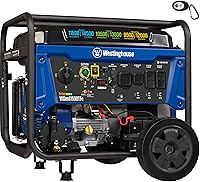
Westinghouse offers 3 generator choices here: a 12500 peak watt dual-fuel home backup model, a 14500 peak watt tri-fuel home backup model and a 5000 peak watt inverter generator.
Generac is represented by a 5W-20 service kit for compatible 20 kW to 26 kW 999cc generators.
That distinction matters before you look at wattage or price.
A maintenance kit does not produce power, start from a key fob or feed an RV outlet.
It only helps you service a generator you already own in the stated range.
The 2 larger Westinghouse models are built around home backup and transfer switch ready connections.
The smaller Westinghouse inverter model is built around RV use, quieter outdoor use and cleaner power for electronics.
The 12500 Watt Dual Fuel model runs on gasoline or propane and produces 9500 running watts on gasoline.
The 14500 Peak Watt Tri-Fuel model adds natural gas and produces 11500 running watts on gasoline.
The 5000 Peak Watt Super Quiet Portable produces 3900 rated watts and uses gasoline only.
Each choice fits a different daily reality, from a fixed home location to a campsite with a travel trailer.
Fuel planning should come early in the decision, not after you have picked a headline wattage.
Gasoline is widely available but needs careful storage, while propane and natural gas change how you plan supply and connections.
Noise planning matters just as much if you will use the generator near neighbors, a campsite or an open window.
Outlet planning matters too, because a 30A connection, a 50A connection and a TT-30R RV outlet serve different loads.
We compared the listed output, fuel options, outlet types, noise details and maintenance fit across these products.
Our score weighs specs, features and buyer feedback against what you are shopping for.
Use that score as a starting point, then check the running watts, fuel type and outlet against your actual loads.
If your main need is a portable generator, the Westinghouse range gives you a direct choice to size and fuel.
If your main need is service parts for a large Generac unit, the kit is the only item here that matches that job.
 Best for dual-fuel home backup
Westinghouse 12500 Watt Dual Fuel Home Backup
 Best for maximum fuel flexibility
Westinghouse 14500 Peak Watt Tri-Fuel Home Backup
Westinghouse vs Generac generator: which is the direct match?
The Westinghouse models are the direct generator choices, while the Generac product belongs in a maintenance plan. It cannot replace a portable generator because it contains service parts rather than an engine and power outlets.
The Generac 5W-20 Maintenance Kit includes 2 one-quart bottles of 5W-20 synthetic oil, 1 air filter, 1 oil filter and 2 spark plugs. Its stated use is for Generac 20 kW to 26 kW 999cc generators.
That makes it useful after you've already chosen a compatible Generac generator. It doesn't answer the first buying question of how much power you need, which fuel you can use or whether an RV outlet is required.
If you're comparing generator brands rather than maintenance parts, the 3 Westinghouse models provide the relevant choices in this post. For another matchup, see Yamaha vs Honda generators.
For another matchup, see Westinghouse vs Predator generators.
For another brand comparison, see our guide to Generac vs Honda generator options.
Which Westinghouse generator fits home backup?
The Westinghouse 14500 Peak Watt Tri-Fuel Home Backup is the strongest home-backup choice here when you want the highest output and 3 fuel options. It produces 11500 running watts and 14500 peak watts on gasoline, with propane and natural gas also available.
Its 550cc 4-stroke engine uses a 9.5-gallon gasoline tank and has a stated runtime of up to 19 hours at 25% load. A CO sensor provides automatic shutdown when raised carbon monoxide is detected, and less than 5% THD is intended for cleaner power for phones, computers and TVs.
The generator has 30A and 50A outlets for home-backup connections. It can pair with an interlock kit, a manual transfer switch or the Westinghouse WATS200 automatic transfer switch, but the transfer equipment is sold separately.
At 230 pounds, this is a substantial portable unit. The wheels, handle and lift bracket help with movement, but plan the storage location and route before an emergency.
When should you choose the 12500 Watt Dual Fuel model?
Choose the Westinghouse 12500 Watt Dual Fuel Home Backup when gasoline and propane are enough for your plan. It produces 9500 running watts and 12500 peak watts on gasoline, or 8500 running watts and 11200 peak watts on propane.
This model uses a 457cc 4-stroke OHV engine and a 6.6-gallon fuel tank. Westinghouse states up to 12 hours of runtime on that gasoline tank, and the built-in fuel gauge helps you track the remaining supply.
Remote electric start, electric start and recoil start give you several ways to start it. The included key fob, 12V battery charger, oil, oil funnel, tool kit and manual reduce the number of items you need to gather before setup.
Its transfer-switch-ready 30A outlet and 50A RV-ready outlet make it suited to larger home loads or a travel trailer. Use the exact connection method required by your electrical system and local rules.
The 12500 model is also a useful middle ground for shoppers who want more output than an RV-focused inverter generator but don't need natural gas. Our Westinghouse vs Honda generators comparison covers another portable-brand decision.
Which model is better for an RV or quieter outdoor use?
The Westinghouse 5000 Peak Watt Super Quiet Portable is the better RV and outdoor choice because it has a TT-30R 30A outlet and a stated 52 dBA noise output. Its 3900 rated watts and 5000 peak watts are lower than the 2 home-backup models, but that can be a better match for smaller loads.
This gasoline-only inverter generator has less than 3% THD. The cleaner power specification suits sensitive electronics such as laptops, tablets, mobile devices and televisions.
The 3.4-gallon tank supports a stated runtime of up to 18 hours, while economy mode varies engine speed to use fuel more efficiently. An LED data center shows fuel level, power output, remaining runtime, voltage output and lifetime hours.
At 104.7 pounds, it is much lighter than the 14500 peak watt model. Wheels and a telescoping handle make it easier to move around a campsite or home storage area.
The trade-off is capacity and fuel flexibility. It has a 30A RV outlet, 2 USB outlets and a 120V household outlet, but it is not the choice for the largest home-backup loads or a 50A connection.
For a different brand comparison focused on portable power, read Champion generator vs Predator. If your RV uses a 50A connection, confirm that the outlet and adapter plan match the generator before you buy.
Does dual fuel or tri-fuel make more sense?
Dual fuel is enough when you can store gasoline and propane, while tri-fuel adds natural gas for homes with a suitable supply. More fuel options can make an emergency plan easier, but they don't remove the need to plan connections, ventilation and safe storage.
The 12500 Watt Dual Fuel model runs on gasoline or propane. Its gasoline output is higher than its propane output, so compare the wattage you expect to use under each fuel mode.
The 14500 Peak Watt Tri-Fuel model adds natural gas and provides the highest output in this comparison. Natural gas can be useful for a fixed home location, while gasoline and propane offer portable alternatives.
Fuel choice also changes how you plan runtime. The 12500 model uses a 6.6-gallon gasoline tank, while the 14500 model uses a 9.5-gallon gasoline tank and has a stated runtime of up to 19 hours at 25% load.
Do not connect a generator to a home circuit by improvising a cable. Use the transfer switch, interlock or connection method required for your installation, and have a qualified electrician handle permanent electrical work.
How much generator capacity do you need?
Choose by running watts first, then leave room for startup demand from appliances with motors. A model's peak watt figure can help with short starting loads, but your continuous appliances still need to fit within the running watt rating.
The iGen5000 provides 3900 rated watts. That can suit an RV, refrigerator, lights, electronics and other modest loads when their combined demand stays within the generator's limits.
The 12500 Watt Dual Fuel model provides 9500 running watts on gasoline and 8500 on propane. That gives more room for several household circuits, subject to the connection method and the actual demand of each appliance.
The 14500 Peak Watt Tri-Fuel model provides 11500 running watts on gasoline. Its higher output suits larger backup plans, but a larger generator also needs more storage space and a clear operating location.
Write down the running and starting watt needs of your refrigerator, freezer, sump pump, air conditioner, lights and electronics. Our guides to the best portable dual-fuel generator for refrigerators and best portable dual-fuel generator for freezers can help you think through those loads.
Which generator has the cleanest power?
The Westinghouse iGen5000 has the lowest stated total harmonic distortion here at less than 3%. The 14500 Peak Watt model states less than 5% THD, while the 12500 Dual Fuel data does not give a THD figure.
Lower THD can matter for electronics that need stable power. The iGen5000 combines its less than 3% THD specification with USB outlets and an RV-ready TT-30R outlet.
The 14500 model's less than 5% THD specification is paired with copper windings and a CO sensor. It is designed around higher-output home backup, so don't choose it only by the THD number.
The right generator still depends on the full load, outlet type and fuel plan. Follow the manual for grounding, extension cords and connection limits.
What maintenance should you plan?
Plan maintenance around the exact engine and model instructions, then use a compatible service kit where one is specified. The Generac kit here is for 20 kW to 26 kW 999cc Generac generators and should not be treated as a universal kit for the Westinghouse models.
For the Westinghouse generators, use the maintenance schedule in the manual and keep track of service hours. The 12500 and 14500 models include hour displays, while the iGen5000's LED data center shows lifetime hours.
Inspect fuel storage, cords, outlets, wheels and covers before an emergency. Run the generator only outdoors in a location that keeps exhaust away from doors, windows and other openings.
The Generac kit's 5W-20 synthetic oil, air filter, oil filter and spark plugs fit its stated 20 kW to 26 kW 999cc application. Confirm the model and service requirements before using any maintenance parts.
For another Westinghouse comparison, see our Firman vs Westinghouse generator guide. If your shopping decision is between Predator and Honda, our Predator vs Honda generator comparison covers that pairing.
Final choice: Westinghouse or Generac?
Pick Westinghouse when you need a portable generator, and pick the Generac kit only when you already own a compatible 20 kW to 26 kW 999cc Generac generator.
The best Westinghouse model depends on the power and fuel plan you can support.
Pick the 14500 Peak Watt Tri-Fuel Home Backup for the highest output and gasoline, propane or natural gas.
It produces 11500 running watts and 14500 peak watts on gasoline, with a 9.5 gallon tank and a stated runtime of up to 19 hours at 25 percent load.
That output suits larger home backup plans, but the 230 pound weight means you need a clear storage spot and a workable route for moving it into place.
Its 30A and 50A outlets pair with an interlock kit, a manual transfer switch or the Westinghouse WATS200 automatic transfer switch, with that transfer equipment sold separately.
Pick the 12500 Watt Dual Fuel Home Backup for gasoline and propane with remote start, home-backup outlets and a slightly simpler fuel plan.
It produces 9500 running watts on gasoline and 8500 running watts on propane from a 457cc engine and a 6.6 gallon tank.
That drop on propane is worth planning for if your emergency fuel supply is mostly propane.
The transfer switch ready 30A outlet and the 50A RV ready outlet give it wider connection options than the smaller inverter model.
Pick the 5000 Peak Watt Super Quiet Portable for RV use, lower noise and cleaner inverter power.
It produces 3900 rated watts, has a stated 52 dBA noise output and uses less than 3 percent THD for sensitive electronics.
The trade off is gasoline only operation and no 50A outlet, so it fits smaller loads rather than the largest home backup plans.
Its TT-30R 30A outlet, USB outlets and 3.4 gallon tank fit travel trailer and camping use where quieter running matters.
Choose the Generac 5W-20 Maintenance Kit only for its stated maintenance application, not as a substitute for a portable generator.
The kit includes two 1 quart bottles of 5W-20 synthetic oil, 1 air filter, 1 oil filter and 2 spark plugs for compatible 20 kW to 26 kW 999cc generators.
Confirm your generator model and service needs before ordering, because the kit does not help you choose portable output or fuel type.
In short, size the Westinghouse by running watts and fuel, then check the outlet and transfer plan for your home or RV.
Frequently asked questions
Is Westinghouse or Generac better for a portable generator?
Westinghouse is the better fit in this comparison because the 3 Westinghouse products are portable generators, while the Generac product is a maintenance kit. Choose Westinghouse by output, fuel type and noise needs, then confirm the exact outlet and transfer equipment required for your setup.
Which Westinghouse generator is closest to a home-backup choice?
The Westinghouse 14500 Peak Watt Tri-Fuel Home Backup is the strongest home-backup choice here because it produces 11500 running watts and 14500 peak watts on gasoline and uses gasoline, propane or natural gas. The 12500 Watt Dual Fuel model is a simpler gasoline and propane option.
Is the Westinghouse iGen5000 good for an RV?
The Westinghouse iGen5000 suits RV use because it has an RV-ready TT-30R 30A outlet, 3900 rated watts, less than 3% THD and a stated 52 dBA noise output. It uses gasoline only, so it does not offer the fuel flexibility of the larger dual-fuel and tri-fuel models.
What does the Generac maintenance kit include?
The Generac kit includes two 1-quart bottles of 5W-20 synthetic oil, 1 air filter, 1 oil filter and 2 spark plugs. It is intended for 20 kW to 26 kW 999cc Generac generators, so check your generator's required service parts before ordering.
Should you choose dual fuel or tri-fuel?
Choose dual fuel when gasoline and propane cover your emergency plan. Choose tri-fuel when natural gas is available and you want a third fuel option.
The Westinghouse 12500 Watt model is dual fuel, while the 14500 Peak Watt model adds natural gas and has the highest output here.