
How to Fix Dual Fuel Generator Not Starting on Propane?
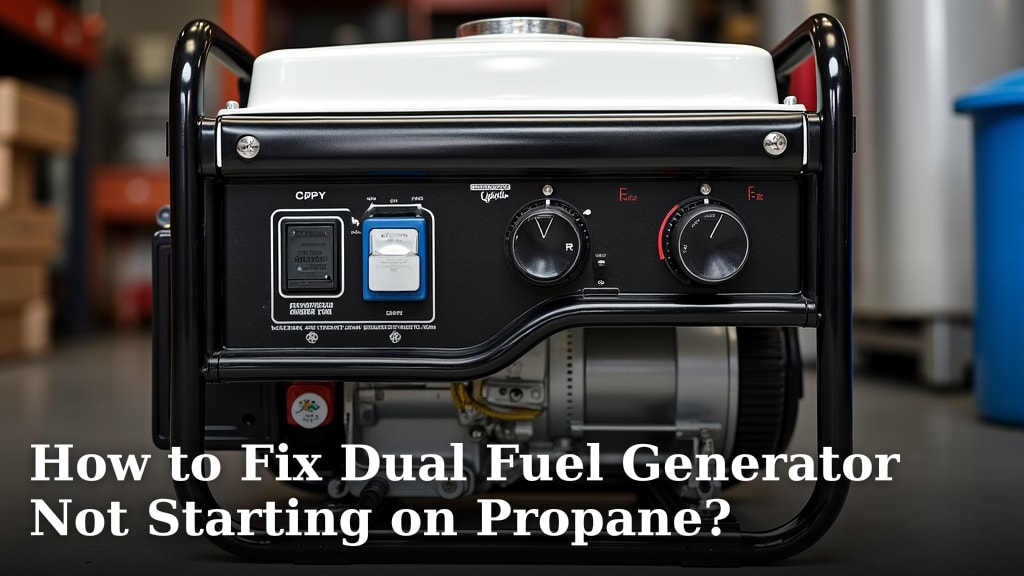
If your dual fuel generator won’t start on propane, it’s usually because of a few common issues. You’ll want to check the propane tank valve, ensure the regulator is working correctly, and verify the fuel line isn’t kinked. These simple checks often solve the problem quickly.
It can be frustrating when your generator sputters and dies on propane, especially when you need it most. Many users run into this, and it often comes down to the fuel supply. We’ve researched common causes, and the fix is often straightforward, involving a few key propane system components.
- Check propane tank valve is open.
- Verify the regulator is functioning properly.
- Inspect the fuel line for kinks or blockages.
- Ensure the generator is in a well-ventilated area.
- Confirm the correct fuel type is being used.
Let’s walk through these potential fixes step by step so you can get your dual fuel generator running smoothly on propane again.
Troubleshooting Your Dual Fuel Generator’s Propane Start Issues
When your dual fuel generator refuses to fire up on propane, it’s a common hiccup many owners face. Usually, the culprit lies within the propane delivery system. Let’s get your generator humming on propane again. We’ve researched the most frequent reasons for this problem. Most fixes involve simple checks of the fuel components. You’ll be relieved to know it’s often not a major repair.
Checking Your Propane Supply and Flow
Confirming the Propane Tank Valve is Open
This might sound too simple, but it’s the number one reason generators won’t start on propane. You need to make sure the valve on your propane tank is fully open. Sometimes, they can get bumped or accidentally closed. If you just refilled your tank, there’s a chance the valve wasn’t opened all the way. Always double-check this first. A fully open valve ensures propane can reach the generator’s engine. You should feel a slight resistance when opening it. Turn it slowly until it stops. Don’t force it, though.
Inspecting the Propane Regulator
The regulator is a small but mighty part of your propane system. Its job is to reduce the high-pressure propane from the tank to a lower, usable pressure for your generator. If this device isn’t working correctly, your generator won’t get the fuel it needs. One common issue is a faulty or clogged regulator. Sometimes, debris can get caught inside. You might also have a regulator that’s set to the wrong pressure. Most dual fuel generators use a specific pressure range, often around 11 inches of water column (IWC). If your regulator is old or has been exposed to the elements, it might be time for a replacement. Many manufacturers recommend replacing regulators every 10-15 years, depending on usage and environmental conditions (National Propane Gas Association).
Signs of a Failing Regulator
How can you tell if your regulator is the issue? Watch for these signs. The propane tank might feel unusually cold. You may notice a faint smell of propane even when the generator isn’t running, though this is a sign to immediately shut off the gas and ventilate the area. The generator might sputter or run inconsistently. If you suspect your regulator, it’s best to have it inspected by a qualified technician. Trying to repair a regulator yourself is generally not recommended due to safety concerns.
Examining the Fuel Line
The hose connecting your propane tank to your generator is like the artery of the fuel system. It needs to be clear and unobstructed. We’ve found that a kinked or damaged fuel line is another frequent problem. Over time, these hoses can become brittle, cracked, or twisted. A sharp bend can completely block the flow of propane. Carefully follow the entire length of the hose from the tank to the generator. Look for any visible damage, such as cuts, abrasions, or bulges. Make sure the hose isn’t being pinched by anything. Also, ensure it’s routed properly and not under strain.
Clearing Blockages and Ensuring Proper Connection
Sometimes, a blockage might not be visible. Insects can build nests inside hoses, especially if they’ve been stored for a while. If you suspect a blockage, you might try gently blowing through the hose (disconnecting it from both ends first, of course). If you’re using a generator with a separate propane filter, check that as well. A clogged filter will starve your generator of fuel just as effectively as a blocked hose. Ensure the connections at both the tank and the generator are tight and secure. A loose connection can cause leaks and prevent proper fuel delivery.
Understanding Generator-Specific Fueling Needs
Ventilation is Key for Propane Operation
Generators, especially when running on propane, need a good supply of fresh air. Operating your generator in an enclosed space is not only dangerous due to carbon monoxide but can also affect its performance. Propane engines need oxygen to combust fuel efficiently. If your generator is in a shed or garage, the lack of ventilation can prevent it from starting or running properly. Always place your generator outdoors, at least 20 feet away from any doors, windows, or vents. You want to ensure it has plenty of airflow. This is a safety measure recommended by organizations like the Consumer Product Safety Commission.
Verifying You’re Using the Right Fuel Type
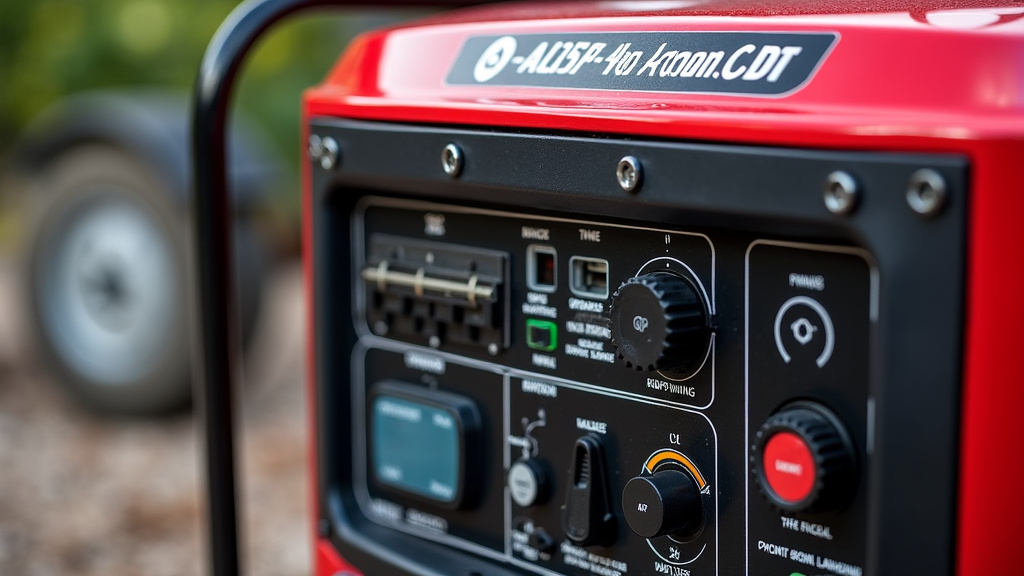
Dual fuel generators are designed to run on either gasoline or propane. It’s important to confirm you’re actually attempting to use propane. Sometimes, users get confused about which fuel source is selected. Most generators have a selector switch. Make sure it’s clearly set to the ‘Propane’ or ‘LPG’ position. If the switch is in between settings, it might not engage the correct fuel system. Double-check your generator’s manual for the exact location and operation of this switch. Using the wrong fuel setting will obviously prevent it from starting on the intended fuel. Ensure the correct fuel type is being used by checking the selector switch.
Switching Between Fuel Sources
If you’ve been running your generator on gasoline and want to switch to propane, there’s often a specific procedure. You might need to run the gasoline completely out of the carburetor before switching. Your generator’s manual will detail the correct process. Skipping these steps can sometimes cause starting issues. We found that some users report problems if they try to switch fuels while the generator is still hot. Allowing it to cool down might help. Always consult your owner’s manual for the precise fuel-switching instructions for your model.
Propane Tank Pressure and Cold Weather
Propane pressure can drop significantly in cold weather. This is because propane is stored as a liquid under pressure. As the temperature drops, the liquid evaporates less readily, leading to lower vapor pressure. If you’re trying to start your generator on propane when it’s very cold outside, this can be the problem. Tanks need to be able to supply enough vaporized propane to the regulator. A common guideline suggests propane tanks might not deliver sufficient vapor above 30°F (-1°C) if they are less than half full (Dover Fueling Solutions). For colder temperatures, you might need a larger tank or a tank warmer. Check your generator’s manual for its operating temperature range on propane.
Essential Checklist for Propane Starting Issues
Let’s summarize the quick checks you can do. These steps will help you pinpoint the problem quickly.
- Open Propane Valve: Ensure the tank valve is fully open.
- Inspect Fuel Line: Check for kinks, cracks, or blockages.
- Secure Connections: Make sure the hose is tightly connected at both ends.
- Ventilation: Confirm the generator is in a well-ventilated outdoor space.
- Fuel Selector: Verify the switch is set to the ‘Propane’ position.
- Tank Level: Check that your propane tank has enough fuel.
When to Call a Professional
If you’ve gone through all these checks and your generator still won’t start on propane, it might be time to seek expert help. There could be an issue with the generator’s carburetor, ignition system, or internal fuel delivery components. Trying to diagnose and repair these yourself could lead to further damage or safety hazards. A qualified generator technician has the tools and expertise to identify and fix more complex problems. They can also ensure your generator is running safely and efficiently. Don’t hesitate to reach out to the manufacturer’s support or a local service center.
Conclusion
Getting your dual fuel generator to start on propane can sometimes feel like a puzzle. We’ve walked through the most common culprits, from a simple closed tank valve to a tricky regulator or a kinked fuel line. You also learned the importance of proper ventilation and ensuring your generator is set to the correct fuel source. By systematically checking these components, you’ve likely identified the issue. If these steps don’t solve it, don’t hesitate to call a professional. Your next step is to implement these checks to get your generator ready for action.
Frequently Asked Questions
Why does my generator only start on gasoline and not propane?
This usually points to a problem in the propane delivery system. You’ll want to double-check that the propane tank valve is fully open and that the regulator is functioning correctly. Also, inspect the fuel line for any kinks or blockages that might be preventing propane flow.
Can extreme cold temperatures affect my generator’s propane start?
Yes, very cold weather can lower propane tank pressure. This can make it difficult for the tank to supply enough vaporized propane to the regulator and engine. For cold starts, ensure your tank is adequately full and consider using a larger tank if you regularly face freezing temperatures.
How do I know if my propane regulator is faulty?
Signs of a failing regulator include the propane tank feeling unusually cold, a faint propane smell when the generator isn’t running, or inconsistent generator performance. If you suspect an issue, it’s safest to have it inspected by a qualified technician.
Is it safe to disconnect and clean the propane fuel line myself?
While you can visually inspect the fuel line for kinks and damage, cleaning internal blockages can be tricky. If you suspect a blockage, ensure the gas is off and disconnect the hose from both ends. For persistent issues or if you’re unsure, it’s best to seek professional assistance.
What’s the proper procedure for switching from gasoline to propane on my dual fuel generator?
Most dual fuel generators require you to run the gasoline completely out of the carburetor before switching to propane. Always consult your generator’s owner’s manual for the exact fuel-switching procedure for your specific model, as skipping steps can cause starting problems.
