
How to Break in a New Dual Fuel Generator?
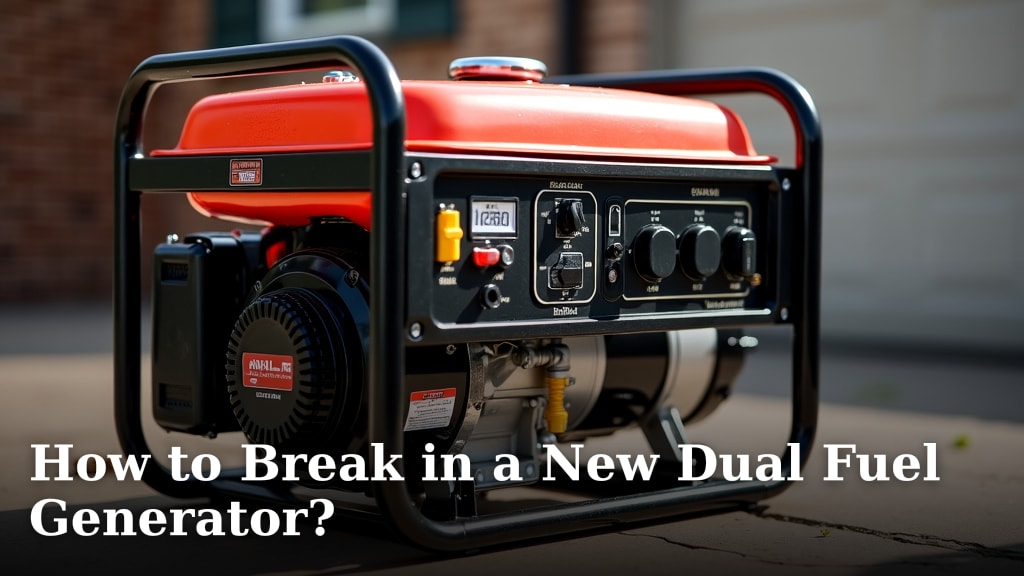
To break in a new dual fuel generator effectively, you need to run it for a few hours with a light load, then gradually increase the load to help its engine parts seat properly. This process ensures optimal performance and longevity for your investment. Don’t skip these crucial first steps for your new generator.
Breaking in your generator is like a gentle warm-up for its engine. You’re giving the internal components a chance to smooth out any rough edges and work together efficiently. Taking the time to do this right can prevent future headaches and costly repairs, so you get the most out of your power source.
TL;DR: How to Break in Your Dual Fuel Generator
- Run a light load initially.
- Increase the load gradually.
- Change the oil after the break-in.
- Don’t overload during this period.
- Understand your generator’s manual.
So, how exactly do you put your new dual fuel generator through its paces for the best start? Let’s walk through the steps to get your generator ready for reliable service when you need it most.
The First Steps: Getting Your Dual Fuel Generator Ready for Action
Before you even think about starting your generator, there are some important preparation steps. These initial checks set the stage for a smooth break-in and ensure operator safety. Think of it as a pre-flight checklist for your new power workhorse.
Unboxing and Inspection
You’ve just received your new dual fuel generator. Exciting, right? First things first, carefully unbox it. Take your time and make sure all the included accessories are there. Then, visually inspect the generator for any signs of shipping damage. Are there dents, loose wires, or broken parts? If so, contact the seller right away.
Confirm the wheels are securely attached if your model comes with them. Check that the handles are firm. This quick inspection helps you catch problems before they become bigger issues, saving you hassle later on.
Reading Your Generator’s Manual
This might seem obvious, but it’s often overlooked. Your generator manual is your best friend. It contains model-specific information crucial for safe operation and maintenance. Every generator is a little different, even from the same brand.
Pay close attention to sections about initial setup, fuel types, oil specifications, and especially the break-in procedure. The manufacturer’s recommendations are key. Following them protects your warranty and ensures you’re operating the unit correctly (Consumer Reports).
Fueling Up: Choosing Your Power Source
Your dual fuel generator gives you options. You can run it on gasoline or propane. Understanding the pros and cons of each helps you make the best choice for the break-in period and beyond.
Gasoline or Propane for Break-In?
Many owners wonder which fuel to use first. Generally, it doesn’t make a huge difference for the break-in. Propane burns cleaner than gasoline, leading to less carbon buildup. Some people prefer propane for the initial run because of this. Gasoline, however, might be more accessible for some while running errands.
Consider what you’ll use mostly in the long term. If you plan to operate primarily on propane, it might make sense to break it in with propane. This helps the engine adapt to that fuel’s characteristics from the start.
Safety Tips for Fuel Handling
Handling fuel requires caution. Always use fresh, clean fuel. For gasoline, use a fuel stabilizer if you plan to store it for more than a month. When using propane, ensure the tank is in good condition and fully connected. Never refuel a hot generator. Seriously, wait until it’s completely cooled down.
Always fuel in a well-ventilated outdoor area. Keep fuel away from ignition sources. These aren’t just suggestions; they’re vital safety rules that protect you and your property (OSHA).
The All-Important Oil: Lubrication is Key
The right oil is crucial for your generator’s engine. It reduces friction, cools components, and helps clean the engine. Skipping this step or using the wrong type can significantly shorten your generator’s lifespan.
Adding the Right Engine Oil
Your generator likely shipped without oil. Don’t even think about starting it until you’ve added the correct amount and type. Check your manual for the recommended oil viscosity (e.g., 10W-30) and API service class (e.g., SJ, SL, SM). Using the wrong oil is like asking your body to run a marathon without hydration.
Locate the oil fill cap and dipstick. Add oil slowly, checking the dipstick frequently. Overfilling can be just as bad as underfilling. Aim for the “full” mark, but don’t exceed it. This initial oil fill is a big deal, so get it right.
The First Oil Change: Post Break-In Maintenance
Here’s a critical part of the break-in process: the first oil change. After the initial break-in period (typically 5-20 hours, check your manual), you MUST change the oil. Why? During the break-in, tiny metal particles wear off the new engine parts as they “seat” together. These microscopic filings float in the oil.
Draining this initial oil removes these particles, preventing them from causing damage. It’s like flushing out the system. Many experts agree this first oil change is the most important for the engine’s long-term health (Briggs & Stratton Support).
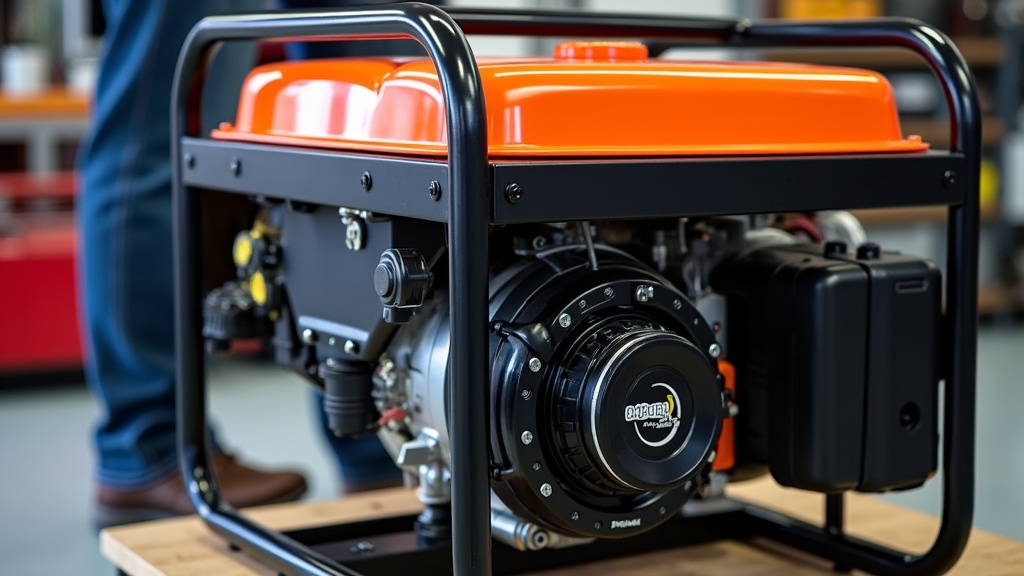
The Break-In Process: A Gentle Introduction to Hard Work
Now for the main event: running your generator for the very first time. This isn’t about pushing it to its limits. It’s about easing it into its working life. Patience here pays dividends.
Starting Your Generator for the First Time
Ensure your generator is on a level surface, outdoors, and far from any windows or vents. Carbon monoxide is a silent killer. Connect your fuel source, turn on the fuel valve, and ensure the engine switch is “On.” If it’s a pull start, give it a firm, steady pull. Electric start generators are easier, just push the button.
Let it run for a few minutes without any load. This allows the oil to circulate and provides a gentle warm-up. Listen for any unusual noises. A little smoke is normal initially as coatings burn off, but heavy, continuous smoke indicates a problem.
Applying a Light Load
For the first few hours (again, consult your manual for specifics), run your generator with a very light load. What’s a light load? Think a couple of light bulbs, a fan, or a small radio. You want to avoid putting too much stress on the engine while its components are still getting acquainted.
A good rule of thumb is to keep the initial load under 25-30% of the generator’s rated capacity. This means if you have a 4000-watt generator, keep the load around 1000 watts or less. This gentle workload allows the piston rings to seat properly against the cylinder walls.
Gradually Increasing the Load
After the initial light-load period, you can slowly start to increase the load. Don’t go from a light bulb to a whole house. Instead, add another small appliance, then another. Maybe a small refrigerator, then a microwave. Varying the load helps the engine components experience different stress levels, promoting even wear.
Avoid running your generator at maximum capacity for extended periods during break-in. The goal here is flexibility and adaptation, not immediate heavy lifting. Think of it like training a new athlete; you wouldn’t send them straight to the Olympics without structured practice.
Post Break-In: Your Generator is Ready!
Once you’ve completed the break-in hours and performed that crucial first oil change, your dual fuel generator is largely ready for regular use. Here’s what to keep in mind for continued reliability.
Maintenance Checklist for New Generators
Here is a quick checklist for after your generator’s break-in period:
- Check oil levels regularly: Before each use, especially during extended operation.
- Inspect air filter: Clean or replace as needed to ensure proper airflow.
- Engine inspection: Look for any loose bolts, damaged cords, or leaks.
- Fuel system check: Ensure hoses and connections are secure and leak-free.
- Test run frequently: Even if you don’t need it, start it every month for 15-20 minutes.
- Store properly: If storing long-term, drain fuel or use a stabilizer for gasoline.
Understanding Generator Run Times
Your generator is designed to run for many hours. However, it’s not meant to run indefinitely without breaks. Most manufacturers recommend shutting down the generator every few hours for a cool-down period and to check fuel and oil levels. Look at your manual for specific recommendations on maximum continuous run time.
This practice extends engine life and prevents overheating. It’s a small pause that ensures long-term service, giving you peace of mind that your power source will be there when you need it.
Conclusion
Taking the time to properly break in your new dual fuel generator is a small effort that pays off big. You’re giving its engine the best possible start, ensuring smooth operation and a longer lifespan. Remember that initial oil change is non-negotiable for flushing out manufacturing debris. By following these steps, you safeguard your investment and guarantee reliable power when you need it most. So, get your generator ready, follow the manual, and enjoy years of dependable service.
Frequently Asked Questions
Why is a break-in period necessary for a new generator?
A break-in period allows the internal engine components, like piston rings, to properly seat and wear into each other. This process reduces friction, improves efficiency, and helps prevent premature wear, ensuring your generator performs optimally for a long time.
Can I use synthetic oil for the break-in period?
It’s generally recommended to use conventional motor oil for the initial break-in period. Synthetic oils are very slippery and might prevent the engine’s components from seating and wearing in correctly. After the break-in and first oil change, you can switch to synthetic if your manufacturer recommends it.
What happens if I don’t break in my new dual fuel generator?
Skipping the break-in can lead to premature engine wear, reduced performance, and potentially a shorter lifespan for your generator. You might experience issues like higher oil consumption or less power output over time because parts didn’t seat properly.
How long should the break-in period typically last?
The break-in duration varies by manufacturer and model, but it’s often between 5 to 20 hours of operation. Always check your generator’s owner’s manual for the exact recommended break-in period and specific instructions.
Should I run my generator continuously during the break-in, or can I stop and start it?
It’s perfectly fine to stop and start your generator during the break-in period to add fuel, check oil, or take breaks. The total cumulative run time with varying loads is what counts. Just make sure to cycle through light to moderate loads over the recommended hours.
