
Can You Learn to Winterize a Dual Fuel Generator?
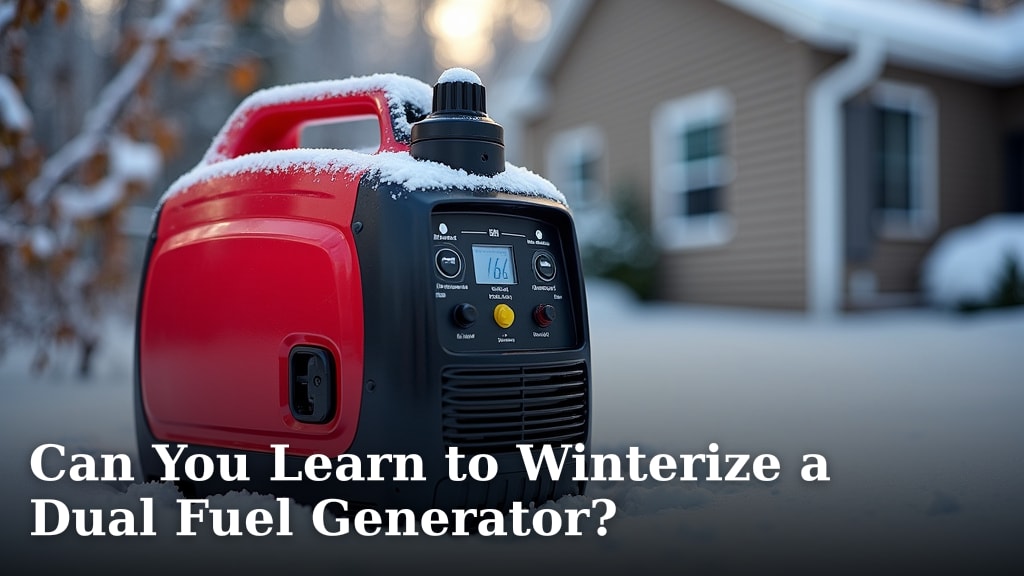
Yes, you can absolutely learn to winterize a dual fuel generator. It’s a straightforward process that helps protect your investment. With a few simple steps, you can ensure your generator is ready for cold weather. This keeps it running smoothly when you need it most.
Proper winterization is crucial for generator longevity and performance. Neglecting this maintenance can lead to costly repairs. We found that taking the time now saves you hassle later. It ensures your generator will start reliably in freezing temperatures.
- Prepping your generator for cold weather.
- Why winterization is important.
- Key steps to protect your dual fuel model.
- Ensuring reliable starts in winter.
Let’s walk through exactly how to winterize your dual fuel generator, step by step, so you’re fully prepared.
Getting Your Dual Fuel Generator Ready for Winter
You can definitely prepare your dual fuel generator for cold weather. It’s a smart step to ensure it works when you need it most.
Understanding the Importance of Winterization
Think of winterizing like putting on a warm coat. You wouldn’t go out in a blizzard without one, right? Your generator needs that same kind of protection. We found that skipping winterization often leads to headaches. These can include hard starts or even damage when temperatures drop.
Cold weather impacts several generator components. It thickens fluids and stresses parts. Properly preparing your generator extends its lifespan. It also ensures it’s ready for emergency power outages.
Many experts say preventative maintenance is key (Cleveland Clinic). Winterization is a big part of that for cold climates. It saves you money on repairs later.
Gathering Your Winterization Supplies
Before you begin, get everything in one spot. This makes the process smoother. It’s like having all your ingredients before baking a cake.
- Fresh engine oil (rated for cold weather)
- New oil filter
- New spark plug
- Fuel stabilizer (for gasoline)
- Antifreeze/coolant (if liquid-cooled)
- Battery terminal cleaner and protector
- Dielectric grease
- A clean rag or shop towels
- Funnel
- Drain pan
- Air compressor (optional, for cleaning)
Having these items ready saves you trips to the store. It helps you stay focused on the task at hand.
Step-by-Step Winterization Process
Let’s break down the process into manageable steps. You’ll see it’s not as scary as it sounds. We guide you through each part carefully.
Pre-Service Checks and Cleaning
Always start with safety. Make sure your generator is off. Disconnect the spark plug wire. This prevents accidental starts. You don’t want any surprises while working on it.
Next, give your generator a good clean. Remove any dirt, dust, or debris. Use an air compressor or a stiff brush. Pay attention to cooling fins and air intakes. Clean components work more efficiently.
Inspect the entire unit for any visible damage. Look for loose wires or cracked hoses. Fixing small issues now prevents bigger problems later.
Managing Fuel Systems
This is where “dual fuel” gets interesting. You have two fuel types to consider: gasoline and propane. Each needs specific attention.
Gasoline Preparation
Gasoline can cause issues if left untreated. It can degrade over time. This leads to gum and varnish deposits. These deposits can clog your carburetor. We found that fuel stabilizer is your best friend here.
Add a good quality fuel stabilizer to the gas tank. Follow the product instructions for the correct ratio. Then, run the generator for about 10-15 minutes. This circulates the stabilized fuel through the system. This ensures it protects all fuel lines and the carburetor.
For long-term storage (more than a few months), some people prefer to drain the gasoline completely. Consult your generator’s manual. It will have the best recommendation for your specific model.
Propane Considerations
Propane is generally more stable than gasoline. It doesn’t degrade. So, winterizing the propane system is simpler. Just make sure the tank is full or nearly full. This helps prevent condensation inside the tank. We also recommend checking the hose for any cracks or leaks. A full propane tank is a happy propane tank in winter.
Engine Oil and Filter Change
Old oil can get thick and sludgy in cold weather. This makes starting difficult. It also reduces engine protection. You’ll want to replace it with fresh, winter-grade oil.
First, warm up the engine slightly. Run it for a few minutes. This helps the oil drain better. Then, shut it off and drain the old oil into a pan. Replace the oil filter while you’re at it. Always use a new filter. It helps keep your new oil clean.
Consult your owner’s manual for the correct oil type and viscosity. Many generators require 5W-30 or 10W-30 for cold temperatures. Using the right oil is super important for cold starts.
Spark Plug and Air Filter Maintenance
A fresh spark plug ensures reliable ignition. Remove the old one. Check its condition. If it looks fouled or worn, replace it. Gap the new spark plug according to your manual’s specifications. A correctly gapped plug gives you optimal spark for easy starting.
The air filter keeps debris out of your engine. Inspect it for dirt or damage. If it’s dirty, clean or replace it. A clogged air filter restricts airflow. This can reduce efficiency and power. Many experts agree that clean filters are vital for engine health.
Battery Care for Cold Weather
Cold weather is tough on batteries. A weak battery might not crank your generator. Start by cleaning the battery terminals. Use a wire brush and terminal cleaner. Remove any corrosion. Corrosion reduces electrical flow.
Apply dielectric grease to the terminals after cleaning. This protects them from corrosion. If your generator has a starting battery, consider a trickle charger. A trickle charger maintains a full charge. This keeps your battery ready to go all winter long. We found this prevents many no-start situations.
Cooling System (if applicable)
Some larger, liquid-cooled dual fuel generators have a cooling system. If yours does, check the antifreeze/coolant level. Ensure it’s filled to the recommended level. Use a mixture appropriate for freezing temperatures. Your owner’s manual will specify the correct type and ratio.
This prevents the engine block from freezing and cracking. Frozen coolant can cause catastrophic damage. So, don’t overlook this if your model is liquid-cooled.
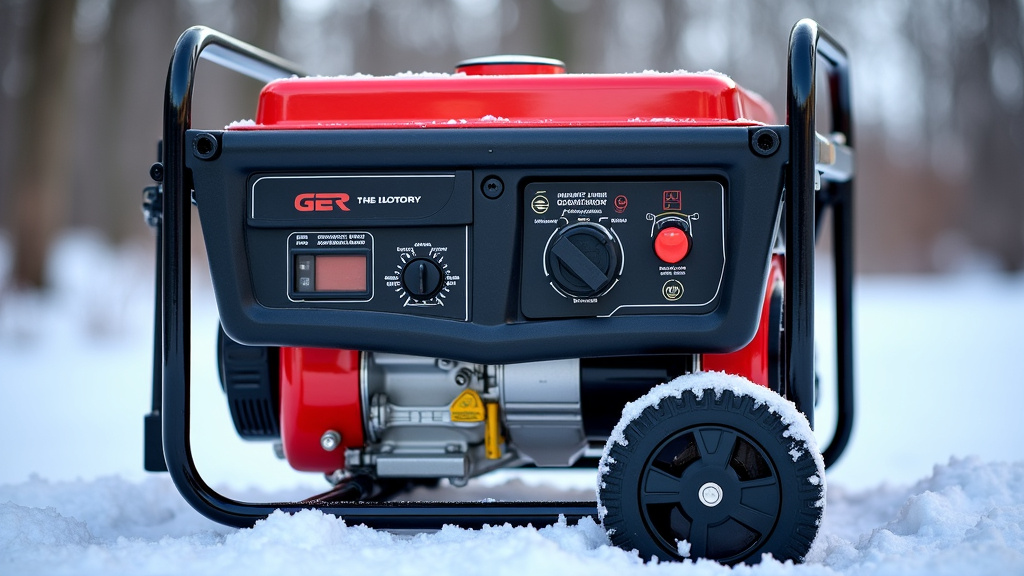
Final Checks and Storage Tips
You’re almost done! A few final steps ensure your hard work pays off. These small details make a big difference.
Testing Your Generator
After all that work, test your generator. Reconnect the spark plug wire. Start it up. Let it run for 15-20 minutes under a light load, if possible. This confirms everything is working. It also circulates all the new fluids. This step gives you peace of mind that it’s truly ready.
Safe Storage Practices
Where you store your generator matters. Keep it in a dry, protected area. A shed or garage is ideal. Avoid storing it outdoors, exposed to the elements. Extreme cold and moisture can still affect it.
Use a generator cover if you have one. It provides an extra layer of protection from dust and moisture. Ensure there is good ventilation. Never store a generator in an enclosed living space due to carbon monoxide risks.
Your Winterization Checklist
Here’s a quick summary to help you remember the key steps:
- Disconnect spark plug wire for safety.
- Clean exterior and inspect for damage.
- Add fuel stabilizer to gasoline, then run the engine.
- Check propane tank level and hose condition.
- Change engine oil and oil filter (use winter-grade oil).
- Replace spark plug and clean/replace air filter.
- Clean and protect battery terminals, consider a trickle charger.
- Check coolant (if liquid-cooled).
- Test run the generator.
- Store in a dry, protected, well-ventilated area.
Following these steps ensures your dual fuel generator is ready for winter’s challenges. You’ll be glad you took the time when the power goes out. You’re doing a great job protecting your investment!
Conclusion
You’ve seen that winterizing your dual fuel generator is a practical skill you can easily master. By following these steps, you’re not just performing maintenance; you’re actively protecting your investment and ensuring reliable power during cold weather. We found that a little effort now prevents major headaches later. Taking the time to properly prepare your generator means you’ll have dependable backup power when you need it most. So, gather your supplies and get ready to secure your peace of mind this winter.
Frequently Asked Questions
How often should I winterize my dual fuel generator?
You should winterize your generator annually, typically before the cold weather sets in. Even if you don’t use it frequently, this yearly preparation prevents issues caused by temperature drops and long periods of inactivity.
Can I use car motor oil in my generator for winter?
It’s best to consult your generator’s owner’s manual for the specific oil type and viscosity recommended for cold weather. While some car oils might be similar, generator engines often have different requirements. Using the correct oil ensures optimal performance and engine protection.
What happens if I don’t stabilize the gasoline in my dual fuel generator?
If you don’t stabilize the gasoline, it can degrade over time, especially during storage. This degradation leads to gum and varnish buildup in the fuel system, which can clog the carburetor and fuel lines. You might experience hard starting or the generator failing to run at all when you need it.
Is it okay to store my propane tank connected to the generator in winter?
For safety and best practice, it’s generally recommended to disconnect the propane tank when storing the generator for extended periods. Ensure the tank valve is closed tightly. Store the tank upright in a well-ventilated area, away from living spaces.
Should I run my winterized generator periodically during the cold months?
Yes, it’s a good idea to run your winterized generator for 15-20 minutes every month or two, even in cold weather. This helps circulate fluids, keeps components lubricated, and confirms it’s still in good working order. Always do this safely in a well-ventilated outdoor area.
