
How to Reduce Dual Fuel Generator Noise?
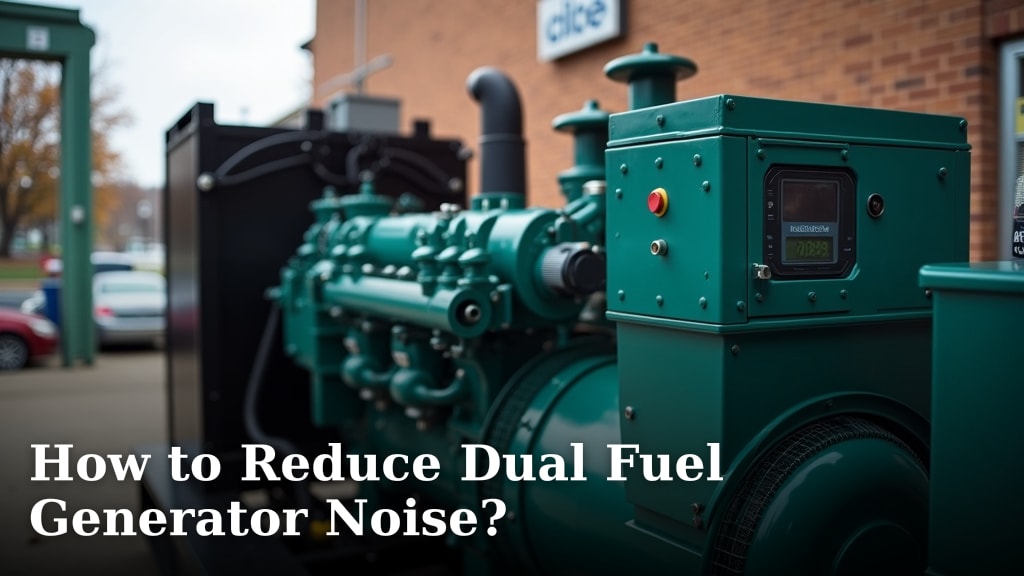
You can reduce dual fuel generator noise by taking simple steps like adding a soundproof enclosure or using a muffler extension. These methods help dampen the sound waves your generator produces, making it much quieter for your home or business. Many homeowners find that even small changes can make a big difference.
Dual fuel generators are fantastic for backup power, but their noise can be a real nuisance. We’ve researched various methods people use to quiet them down. You’ll find that a combination of techniques often works best to achieve the peace and quiet you’re looking for. Think of it like adding a blanket to your generator – it just muffles the sound.
TL;DR:
- Add a soundproof generator enclosure.
- Install a muffler extension.
- Use anti-vibration pads.
- Choose a quieter generator model. Consider choosing a quieter generator model to minimize noise from the start.
- Strategic placement can help.
Let’s walk through exactly how you can make your dual fuel generator run much more quietly, step by step.
Your dual fuel generator offers peace of mind during power outages. But that peace can be disturbed by the noise it makes. Don’t worry, you’re not alone in wanting a quieter setup. Fortunately, there are several practical ways to turn down the volume. We’ve researched effective methods that can make a real difference for your home or business. Let’s get your generator humming more softly.
Quieting Your Dual Fuel Generator Effectively
Reducing generator noise is all about managing sound waves. You can block them, absorb them, or redirect them. We found that a combination of approaches often yields the best results. Think of it like soundproofing a room, but for your generator.
1. The Power of a Soundproof Enclosure
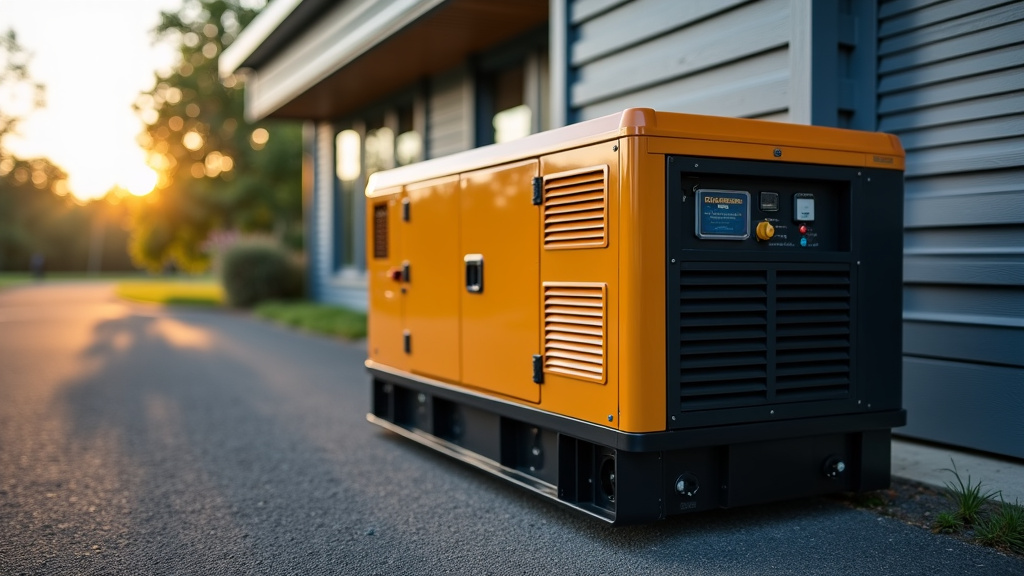
A soundproof enclosure is one of the most impactful ways to reduce generator noise. These enclosures are designed to contain and absorb the sound produced. Many commercial options are available. You can also build your own if you’re handy.
Choosing a Commercial Enclosure
When looking at commercial enclosures, check for materials that offer good sound dampening. Look for thick, dense materials. Ventilation is also key. Your generator needs airflow to prevent overheating. Ensure the enclosure has built-in vents or fan systems. A good enclosure will also be weather-resistant.
DIY Soundproofing Your Generator
If you’re building your own, start with a sturdy frame. You can use wood or metal. For sound absorption, consider using mass-loaded vinyl (MLV). This material is excellent at blocking sound. You can layer it with plywood. Inside the enclosure, add acoustic foam panels. These panels absorb sound reflections. Again, proper ventilation is absolutely critical. Without it, you risk damaging your generator.
Remember to leave enough space around the generator. It shouldn’t touch the enclosure walls. This prevents vibrations from transferring. Vibration is a major source of noise itself.
2. Enhancing Your Generator’s Muffler System
The muffler is where much of the generator’s noise originates. Upgrading or modifying your muffler can significantly reduce sound output. It’s like giving your generator a quieter exhaust pipe.
Muffler Extensions and Resonators
A muffler extension, sometimes called a “goose neck” or “super trap,” can redirect exhaust noise away from your living areas. These extensions bend the sound downwards or sideways. This helps to scatter the sound waves. Some extensions also act as resonators. They can cancel out certain sound frequencies.
You can find these accessories online or at generator supply stores. Installation is usually straightforward. It often involves bolting the extension onto your existing muffler outlet. Always ensure it’s securely attached.
Replacing the Stock Muffler
For a more substantial reduction, consider replacing the original muffler with an aftermarket one. Look for mufflers specifically designed for noise reduction. These are often larger and use more advanced baffling technology. They absorb sound more effectively than standard models. Check your generator’s manual for compatibility. It’s important to match the muffler to your generator’s engine size and exhaust port.
3. Mitigating Vibrations with Anti-Vibration Solutions
Generators vibrate when they run. These vibrations can travel through the ground and structures. They create a low-frequency hum that can be very annoying. Addressing vibration is just as important as muffling exhaust noise.
Using Anti-Vibration Pads
Placing your generator on anti-vibration pads is a simple yet effective step. These pads are typically made of dense rubber or specialized polymers. They sit between the generator’s base and the surface it rests on. The pads absorb the vibrations, preventing them from being transmitted.
You can find these pads at hardware stores or online. Look for ones rated for the weight of your generator. Ensure the surface beneath the pads is level and stable. You want to stop the shaking before it starts.
DIY Vibration Dampening
If you can’t find ready-made pads, you can create your own dampening system. Consider using thick, dense rubber mats. Old tire mats can work, but ensure they are clean and free of debris. Another option is to build a small, elevated platform. Place your generator on this platform, and put vibration-dampening material between the platform and the generator. This isolates it from the ground.
4. Strategic Generator Placement
Where you place your generator matters. You can’t always eliminate the noise, but you can direct it away from where you’ll hear it most. Think about sound traveling in straight lines, but also bouncing off surfaces.
Using Natural Barriers
Utilize existing structures to your advantage. Place the generator on the side of your house furthest from your bedroom windows or main living areas. A solid fence or a dense hedge can also help to block some of the sound. Even a small shed or a stack of firewood can act as a partial sound barrier.
Avoid placing the generator in a corner or against a wall. This can create an echo chamber effect. The sound will bounce back and seem louder. Leave adequate space around the generator for airflow and access. Your generator needs room to breathe.
Considering the Ground Surface
The surface your generator sits on can affect noise levels. Hard surfaces like concrete or asphalt tend to reflect sound. Softer surfaces like grass or packed dirt can absorb some sound. However, ensure the ground is level and stable. You don’t want your generator sinking or tilting.
If you must place it on a hard surface, using anti-vibration pads becomes even more important. We found that even a thin layer of rubber matting can make a noticeable difference.
5. Investing in a Quieter Generator Model
Sometimes, the best solution is a generator designed for quiet operation from the start. Modern generators are becoming increasingly sophisticated in noise reduction.
Understanding Generator Decibel Ratings
Generators are rated in decibels (dB). A lower decibel rating means less noise. A typical portable generator might run at 60-70 dB. A quieter model might operate in the 50-60 dB range. For comparison, a normal conversation is around 60 dB. A refrigerator hums at about 40 dB.
When shopping for a new generator, look for models advertised as “inverter generators” or “quiet generators.” Inverter technology often results in lower noise levels and cleaner power. Many manufacturers provide specific decibel ratings at different load levels.
Features of Quieter Generators
Quieter generators often feature enclosed bodies, advanced muffler designs, and variable engine speeds. The engine speed adjusts based on the power demand. This means it runs slower and quieter when you don’t need much power. Enclosed designs also help contain the sound.
If you’re purchasing a new generator, prioritize noise levels alongside power output and fuel type. It’s an investment in your peace and quiet.
6. Performing Regular Maintenance
A well-maintained generator runs more efficiently and often more quietly. Loose parts, dirty filters, or old oil can all contribute to increased noise.
Engine Checks and Lubrication
Keep your generator’s engine properly lubricated. Check the oil levels regularly. Use the type of oil recommended by the manufacturer. Clean or replace air filters as needed. A clogged filter can make the engine work harder, increasing noise.
Ensure all bolts and connections are tight. Vibrations can loosen them over time. A rattling heat shield or exhaust clamp can be a significant source of noise. Listen for any unusual sounds during operation.
Cleaning the Generator and Enclosure
Periodically clean the generator itself. Dust and debris can accumulate. If you have a soundproof enclosure, keep it clean too. Dust on acoustic foam can reduce its effectiveness. Ensure ventilation ports are clear of obstructions.
A clean machine is generally a healthier and quieter machine. It’s a small effort for a big reward in sound reduction.
Quick Checklist for a Quieter Generator
- Assess your current noise level. How loud is it, and where is the sound coming from?
- Consider an enclosure. Either buy one or build a DIY version.
- Check your muffler. Could it benefit from an extension or replacement?
- Add vibration dampeners. Use pads or mats under your generator.
- Review placement options. Can you move it further away or behind a barrier?
- Schedule regular maintenance. Keep filters clean and all parts tight.
Conclusion
Reducing your dual fuel generator’s noise is entirely achievable. You’ve learned that simple steps like adding a soundproof enclosure or using a muffler extension can make a big difference. Combining these with anti-vibration pads and strategic placement creates a quieter environment. Remember that regular maintenance also plays a key role in keeping your generator running smoothly and quietly. Don’t let generator noise disturb your peace any longer. Your next step is to pick one or two of these practical solutions and start implementing them today.
Frequently Asked Questions
How much quieter can a generator get with these methods?
You can expect a noticeable reduction in noise, often by 10-20 decibels or more depending on the methods used. A good enclosure and muffler upgrade are usually the most impactful. This can make the difference between an annoying drone and a barely audible hum.
Are DIY soundproofing enclosures effective?
Yes, DIY enclosures can be very effective if built correctly. The key is using dense sound-blocking materials like mass-loaded vinyl and sound-absorbing foam. Proper ventilation is absolutely critical to prevent overheating, so don’t skip that step.
Can I just put my generator on a rubber mat?
Using a thick, dense rubber mat can certainly help reduce vibrations. It acts as a simple form of anti-vibration pad. For best results, ensure the mat is rated for your generator’s weight and the ground underneath is level.
How often should I maintain my generator for noise reduction?
Regular maintenance is key. Check oil levels and air filters monthly, or as recommended by your manual. Also, periodically inspect and tighten all external bolts and exhaust connections. A well-maintained generator simply runs better and quieter.
Will a quieter generator model be more expensive?
Generally, yes, quieter generator models often come with a higher price tag. This is because they incorporate advanced sound-dampening technologies and better build quality. However, the increased comfort and reduced noise disturbance can be well worth the investment for many users.
