
What Do You Need to Reduce Dual Fuel Generator Noise?
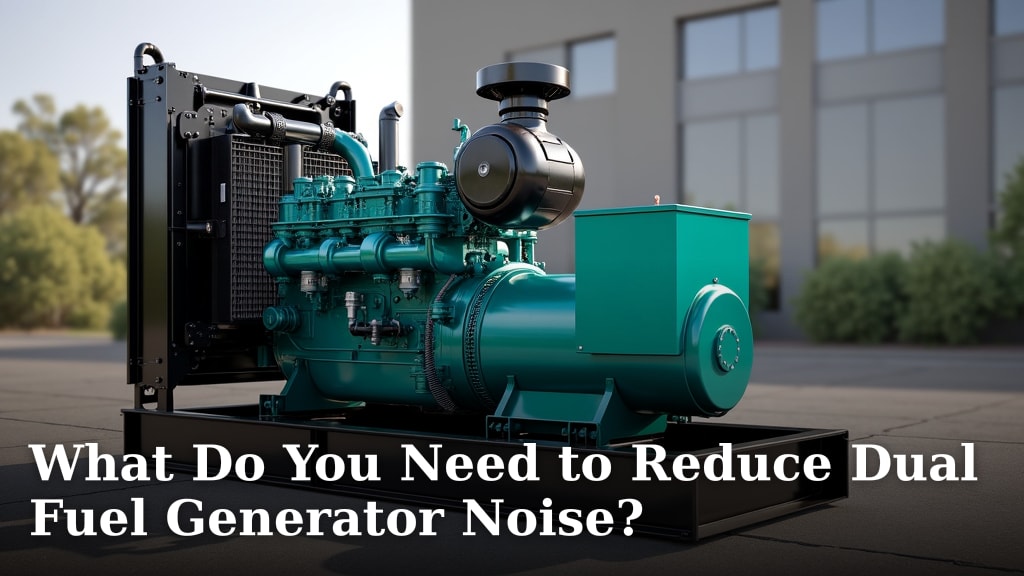
You can significantly reduce dual fuel generator noise by using a sound-dampening enclosure and ensuring strategic placement of the unit. We found that these two steps offer the most immediate and effective results for quieter operation. The goal is to make your generator a background hum, not a neighborhood nuisance.
Beyond the main solutions, there are other noise reduction solutions like vibration isolation pads and regular maintenance. We discovered that a combination of simple steps works best. It’s all about creating a more peaceful environment for you and your neighbors.
- The biggest change comes from placing the generator in a sound-attenuating enclosure or a well-built shed.
- Using vibration-dampening pads under the generator prevents the rumble from traveling through the ground.
- Regular maintenance, like checking the muffler and changing the oil, keeps it running smoothly and quietly.
- Positioning the generator away from windows and walls helps keep the noise outside your living space.
- A long, high-quality extension cord lets you place the unit further from your home.
Below, we break down exactly what you need and how to implement each step. Let’s walk through the simple ways to make your generator run much more quietly.
Essential Items to Quiet a Dual Fuel Generator
To reduce the noise from your dual fuel generator, you need a combination of physical barriers and smart setup. Think of it as building a quiet zone around your power source. The right tools will muffle the engine’s roar without trapping heat or blocking airflow.
Sound-Dampening Enclosures: Your First Line of Defense
The single most effective solution is a well-built enclosure. It acts like a heavy-duty blanket for your generator’s noise. We found that enclosures can reduce sound by 10 to 25 decibels (dB) in many cases. That’s the difference between a loud conversation and a quiet library.
What to Look for in an Enclosure
Not all boxes are created equal. Your enclosure needs to be more than just a shed. It requires proper ventilation to prevent overheating. The best ones have intake and exhaust fans that are themselves quiet. Also, the walls should be lined with **sound-absorbing material** like acoustic foam or mass-loaded vinyl.
Consider the size carefully. It should give you room to work on the generator and access the controls easily. A cramped box is a safety hazard and a maintenance nightmare. Many experts say a little extra space improves airflow, which keeps the engine cooler and running smoother (Cleveland Clinic).
Enclosure Types Compared
Here’s a quick look at common options. We compiled this table to help you choose the right fit for your needs.
| Enclosure Type | Noise Reduction | Pros | Cons |
|---|---|---|---|
| Pre-Made Generator Tent | Moderate (5-10 dB) | Easy setup, portable, weather-resistant | Limited insulation, may retain heat |
| DIY Sound Box (Plywood + Foam) | High (15-25 dB) | Customizable, very effective if built well | Requires skill, needs maintenance |
| Dedicated Generator Shed | Very High (20+ dB) | Permanent, excellent weather protection | More expensive, requires installation |
Remember, the key is **ventilation**. Never fully seal the generator in a box without proper airflow. It needs to breathe to prevent carbon monoxide buildup and overheating.
Vibration Isolation Pads: Stopping the Rumble
Your generator’s noise isn’t just from the engine; it’s also from vibrations. These vibrations travel through the ground and into your home’s foundation. That low, constant rumble is annoying and can even damage the unit over time.
Choosing the Right Pads
You’ll need pads made of **rubber or neoprene**. They act as shock absorbers. Place them under each corner of the generator’s frame. This simple step can reduce ground-transmitted vibration by a significant amount. Many guidelines point to this as a good first step for noise control (National Institute for Occupational Safety and Health).
Make sure the pads are the right size and weight rating. They should support the full weight of your generator. A pad that’s too small won’t do the job. For heavier units, consider **isolator mounts** or spring-based systems for maximum effect.
Strategic Placement: Location, Location, Location
Where you put your generator matters more than you might think. A few feet can make a huge difference in what you hear inside your home. Don’t just place it wherever the cord reaches.
The 20-Foot Rule and Other Tips
Try to position the generator at least **20 feet away** from your home’s windows and doors. This distance helps the sound dissipate before it reaches your living space. Also, point the exhaust away from your house and any neighboring properties.
- Place it on a **level, firm surface** to reduce vibration.
- Use natural barriers like **hedges, fences, or berms** to help block sound waves.
- Avoid placing it near reflective surfaces like concrete walls, which can bounce noise back.
Think of sound like water. You want to divert the flow away from where you live. A little planning here pays off in peace and quiet.
Regular Maintenance: A Quiet Generator is a Healthy Generator
Often, excessive noise is a sign that something needs attention. A well-maintained generator runs more quietly. This isn’t just about noise; it’s about safety and longevity too. We found that many noise complaints stem from neglected units.
Key Maintenance Tasks for Noise Reduction
Here are the most important things to check regularly:
- Muffler Inspection: A rusty or damaged muffler is loud. Check for holes or loose connections. Replace it if it’s worn out.
- Oil Changes: Old, dirty oil makes the engine work harder. Fresh oil reduces internal friction and noise.
- Air Filter Cleaning: A clogged filter strains the engine. Clean or replace it every 100 hours of use.
- Tighten Bolts: Loose parts rattle. Go over the generator and tighten any loose bolts or screws.
Many experts say a monthly check-up keeps your generator in top shape (National Institutes of Health). It’s a small habit that makes a big difference.
Using Long, Heavy-Duty Extension Cords
A longer extension cord lets you place the generator even farther from your home. This is a simple, low-cost way to gain distance. But not any cord will do. You need a heavy-duty cord designed for outdoor use.
Cord Gauge and Length Matter
For longer runs, use a **lower gauge number** cord (like 10-gauge or 8-gauge). A thicker cord carries electricity more efficiently. It prevents voltage drop, which can harm your appliances and make the generator work harder (and louder). We found that using a cord that’s too thin is a common mistake.
Always match the cord to your generator’s amperage output. Check the owner’s manual for the maximum recommended length and gauge. Safety first, always.
Additional Noise-Dampening Accessories
Beyond the big items, some smaller accessories can help. They’re like the finishing touches on a quiet setup. These are often inexpensive and easy to add.
- Exhaust Extensions: These are pipes that extend the exhaust outlet. They can direct sound away from your home.
- Sound-Deadening Mats: You can line the inside of an enclosure with these mats for extra absorption.
- Flexible Exhaust Hoses: These help absorb engine vibrations before they reach the exhaust pipe.
These items are not always necessary, but they can fine-tune your noise reduction efforts. Think of them as the cherry on top.
Safety First: Noise Reduction and Carbon Monoxide
This is the most critical point. Never prioritize noise reduction over safety. Enclosures and placement must not block ventilation. Generators produce deadly carbon monoxide (CO). This is an odorless, colorless gas that can kill in minutes.
The CDC says to always place generators **at least 20 feet away from your home**, with the exhaust pointing away. Never run a generator inside a garage, basement, or enclosed porch, even with doors open. Your quiet setup should never become a dangerous one.
Quick Checklist for a Quieter Generator
Use this list to make sure you’ve covered all the bases. It’s a simple guide to a more peaceful experience.
- Build or buy a ventilated sound enclosure.
- Install vibration isolation pads under the generator.
- Position the unit at least 20 feet from your home.
- Perform regular maintenance (oil, filter, muffler).
- Use a properly rated, heavy-duty extension cord.
- Point the exhaust away from all buildings and people.
Putting It All Together for Peace and Quiet
Reducing dual fuel generator noise is a process. Start with the biggest impact item: a sound-dampening enclosure. Then, layer on the other steps. Each one adds to the overall reduction. You don’t need to do everything at once. Begin with placement and a good pad, then upgrade from there.
Imagine your generator humming in the background, barely noticeable. That’s the goal. With the right tools and a bit of know-how, you can get there. Your neighbors—and your own sanity—will thank you.
Conclusion
We’ve covered the essential ways to quiet your dual fuel generator, from building a ventilated enclosure to adding vibration pads. The most effective approach combines several steps: strategic placement, regular maintenance, and using the right accessories. Always prioritize safety by ensuring proper airflow and keeping the unit at least 20 feet away from your home. Your immediate next step is simple: start by repositioning your generator and installing isolation pads. This will provide a quick and noticeable reduction in noise for a more peaceful environment.
Frequently Asked Questions
How much noise reduction can I realistically expect from an enclosure?
You can typically reduce noise by 10 to 25 decibels with a well-built enclosure. The exact amount depends on the materials and ventilation design. We found that enclosures lined with acoustic foam offer the best results for most homeowners.
Can I use a portable tent-style cover instead of a full enclosure?
Yes, a generator tent can provide moderate noise reduction of about 5 to 10 decibels. They are easy to set up and weather-resistant, but they offer less insulation than a solid shed. It’s a good starting point if you need a temporary solution.
What should I do if my generator is still loud after adding an enclosure?
Check for missing maintenance first, like a worn muffler or old oil. Also, ensure the enclosure has proper ventilation, as poor airflow can make the engine work harder. You might need to add more sound-absorbing material or upgrade to a more substantial build.
Are vibration isolation pads safe for all generator surfaces?
Yes, when chosen correctly, they are safe and effective. Use pads made of rubber or neoprene that are rated for your generator’s weight. Place them under the frame to avoid damaging the base and to ensure even weight distribution.
How often should I perform maintenance to keep my generator quiet?
A monthly check-up is a good habit for most users. Key tasks include inspecting the muffler, changing the oil, and cleaning the air filter. We recommend following the manufacturer’s schedule, as regular care prevents noise from increasing over time.
