
How to Run a Dual Fuel Generator in Rain Safely?
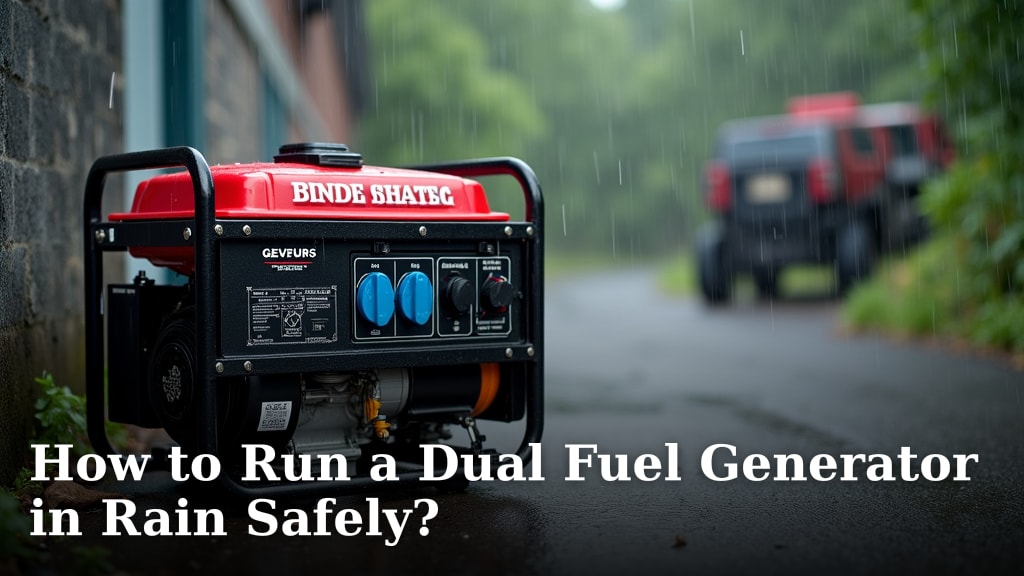
You can run a dual fuel generator in the rain, but only with proper protection to prevent electrical hazards and damage. Exposing your generator directly to rain is extremely dangerous and can lead to electric shock or even death.
Protecting your generator from moisture is absolutely essential for your safety and the longevity of the machine. We found that most manufacturers strongly advise against operating generators in wet conditions without a purpose-built enclosure or cover.
- NEVER operate a generator in direct rain.
- Always use a generator tent or cover.
- Ensure proper ventilation to avoid carbon monoxide buildup.
- Keep the generator on a dry, level surface.
- Check all electrical connections for moisture.
Let’s walk through everything you need to know to safely operate your dual fuel generator, even when the weather takes a turn for the worse.
Operating Your Dual Fuel Generator Safely in Wet Weather
You can definitely run your dual fuel generator during a rainy spell, but safety is paramount. It all comes down to protection.
Understanding the Risks: Why Rain and Generators Don’t Mix
Why is rain such a big deal for your generator? Think of it like this: electricity and water are not friends. When they meet, bad things happen.
Electrical Shock and Electrocution
Your generator has many exposed electrical components. Water can easily bridge these gaps, creating a path for electricity to flow through you. This can cause a severe shock or even death.
Many safety organizations, like the CDC, warn strongly against using electrical equipment in wet conditions. Even a small amount of moisture can be dangerous. Your generator is no exception.
Generator Damage and Malfunction
Beyond personal safety, rain can severely damage your generator. Water can get into the engine, fuel system, or electrical circuits. This can lead to costly repairs or total failure.
We found that manufacturers often void warranties if the generator shows signs of water damage from improper use. Protecting your investment means keeping it dry.
Carbon Monoxide Poisoning (Indirect Risk)
While not a direct result of rain, running a generator indoors to keep it dry is a common mistake. This can lead to a silent killer: carbon monoxide (CO) poisoning.
Generators must always be operated outdoors in a well-ventilated area. Rain protection should never compromise ventilation. We’ll discuss safe covers next.
Essential Rain Protection for Your Generator
So, how do you keep your generator dry without bringing it inside? You need a purpose-built shelter. Do not use makeshift solutions like tarps draped directly over the unit.
Generator Tents and Covers: Your Best Bet
The safest and most recommended way to protect your generator from rain is with a generator tent or cover. These are designed specifically for this purpose.
These covers allow for proper airflow while keeping rain out. They have openings for exhaust and fuel lines. This is crucial for both safety and performance.
| Protection Type | Pros | Cons | Safety Rating (1-5, 5=best) |
|---|---|---|---|
| Generator Tent/Cover | Designed for weather, good ventilation, easy setup. | Can be an added expense. | 5 |
| Generator Enclosure/Shed | Permanent, excellent protection, noise reduction. | Higher cost, requires construction/installation, needs proper ventilation design. | 4 (if well-ventilated) |
| Portable Canopy/Awning | Budget-friendly, offers some overhead protection. | Limited side protection from wind-driven rain, may obstruct airflow. | 3 |
| Direct Tarp/Plastic Sheet | Cheap, readily available. | Extremely dangerous! Blocks airflow, fire hazard, electrocution risk. | 1 (Avoid at all costs) |
As you can see from the table, a proper generator tent or cover is the clear winner for safety and ease of use.
Generator Enclosures or Sheds
For a more permanent solution, you might consider a dedicated generator enclosure or shed. These can offer superior protection and even reduce noise.
However, an enclosure must be designed with ample ventilation to prevent CO buildup. Consult with an expert if you choose this route to ensure safety.
Placement and Setup: Where Your Generator Sits Matters
Even with a good cover, where you place your generator is critical. It needs to be away from your home and on stable ground.
Distance from Your Home
Always place your generator at least 20 feet away from your home. This distance helps prevent carbon monoxide from entering your house (National Safety Council).
Keep it away from windows, doors, and vents. Even with a light breeze, CO can find its way inside.
Dry, Level Surface
Ensure your generator sits on a dry, level surface. This prevents it from tipping over and keeps it out of standing water. Puddles can still splash up onto the unit.
Consider placing it on concrete blocks or a sturdy pallet to elevate it slightly. This adds another layer of protection from ground moisture.
Pre-Operation Checklist for Rainy Conditions
Before you even think about starting your generator in the rain, run through this quick checklist. It could save your life.
- Is the generator under a proper rain cover/tent?
- Is it at least 20 feet from your home?
- Is it on a dry, level surface, away from puddles?
- Are all power cords undamaged and rated for outdoor use?
- Are your hands completely dry before touching the generator or cords?
- Is your carbon monoxide detector working inside your home?
Taking these few moments can make all the difference in safely running your generator when the weather is bad.
Fueling Your Dual Fuel Generator in the Rain
Fueling can be tricky in the rain, especially with liquid fuels. Always exercise extreme caution.
Propane vs. Gasoline in Wet Weather
With a dual fuel generator, you have options. Propane tanks are generally easier and safer to handle in the rain. They connect with a hose, reducing spills.
Gasoline, on the other hand, requires pouring from a can. This increases the risk of spills, which can be dangerous on wet ground. Gasoline is highly flammable.
If you must refuel with gasoline, do it quickly and carefully. Keep a fire extinguisher handy. Always ensure the generator is off and cooled down before refueling (OSHA guidelines).
Preventing Water in the Fuel Tank
Water in the fuel tank can cause serious engine problems. Always keep the fuel cap tightly sealed. If possible, refuel in a more sheltered spot, even if it’s just under a larger overhang.
Use a funnel to minimize splashing and drips. Some generator covers have a fueling port, which makes this much easier and safer.
Using Extension Cords Safely in the Rain
Your connection to the generator is just as important as the generator itself. Use the right cords and handle them with care.
Outdoor-Rated Cords are a Must
Only use heavy-duty, outdoor-rated extension cords. Look for labels like “suitable for outdoor use” or “wet location approved.” These cords have thicker insulation and are designed to withstand moisture.
Never use indoor cords outside, especially in the rain. Their insulation is not sufficient, and they can pose an electrocution hazard.
Avoiding Puddles and Protecting Connections
Route your cords so they do not lie in puddles or standing water. Water can seep into connections or damaged insulation.
Consider using cord covers or elevating cords if puddles are unavoidable. Always check the cords for any fraying or damage before use. Even a small cut can be dangerous.
Use waterproof connection boxes if you have multiple cord connections. These keep the plug and receptacle dry, preventing short circuits.
Conclusion
Running your dual fuel generator in the rain doesn’t have to be a hazard, but it absolutely demands your full attention to safety. We’ve covered why keeping your generator dry is non-negotiable for both your well-being and the machine’s lifespan. By investing in a proper generator tent, ensuring correct placement, and being meticulous with your pre-operation checks, you can maintain power even when the weather turns foul.
Always prioritize purpose-built protection over makeshift solutions. Your safety, and the reliable operation of your generator, depend on it. Now, go confidently prepare your generator for whatever the weather brings!
Frequently Asked Questions
Can I use a carport or patio to shelter my generator from rain?
While a carport or patio offers some overhead protection, it’s generally not sufficient. Wind-driven rain can still reach your generator, and proper ventilation might be compromised. A dedicated generator tent is always the safest bet as it’s designed for both weather protection and airflow.
How do I protect the generator’s electrical outlets in the rain?
Many generator tents include flaps or covers that extend over the control panel and outlets. Additionally, ensure all plugs are fully seated and consider using waterproof connection boxes for any extension cord junctions. Never leave exposed outlets or connections in the rain.
Is it okay to run a dual fuel generator in light drizzle without a full cover?
No, it’s never safe to run a generator in any amount of rain without proper protection. Even a light drizzle can lead to moisture ingress into electrical components, creating a shock hazard or causing damage. Always use a purpose-built cover or tent.
What should I do if my generator gets wet accidentally?
If your generator accidentally gets wet, immediately shut it down and disconnect any power cords. Do not attempt to restart it. Allow it to dry completely for at least 24-48 hours in a well-ventilated area. It’s wise to have it inspected by a qualified technician before attempting to use it again.
Can a generator produce carbon monoxide even when it’s raining outside?
Yes, generators always produce carbon monoxide, regardless of the weather. This deadly gas is colorless and odorless. That’s why it’s critical to ensure your generator is always operated at least 20 feet from your home and any other occupied structures, even when raining.
