
What Do You Need to Replace a Generator Spark Plug?
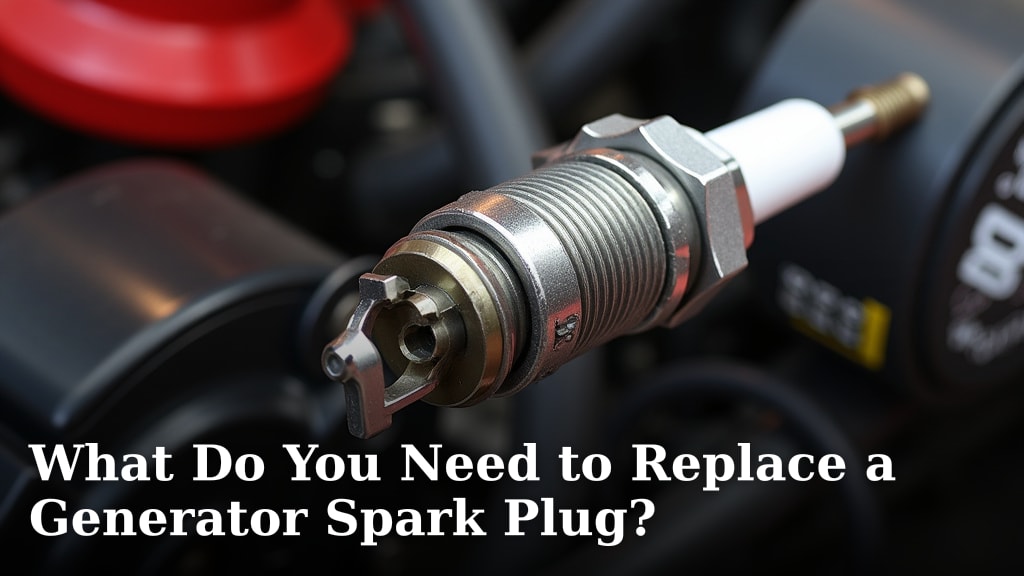
To replace a generator spark plug, you primarily need a few basic tools: a spark plug wrench (or deep socket), a gap gauge, and a new, correctly specified spark plug. You might also want a wire brush for cleaning. Having the right tools makes the job easy and quick.
Maintaining your generator’s spark plug is key for reliable power, especially when you need it most. A fresh spark plug ensures better starts and smoother operation. Don’t let a small part cause big headaches when the lights go out.
- Gather your tools: spark plug wrench, gap gauge, wire brush.
- Ensure you have the correct new spark plug for your generator model.
- Properly gapping the new plug is a vital step.
- Regular spark plug checks prevent future generator issues.
Ready to get your hands a little dirty? Let’s walk through exactly what you need and how to confidently replace that generator spark plug.
What You Need for a Generator Spark Plug Replacement
Replacing your generator’s spark plug is a straightforward task when you have the right gear. Think of it like a minor pit stop for your engine, ensuring it runs smoothly for miles to come.
You don’t need a huge toolbox, just a few key items that will make the job simple and efficient. Let’s break down each essential tool and why it matters.
The Essential Tools
These are the absolute must-haves for tackling a spark plug replacement. Without them, you might find yourself in a bit of a pickle.
Having these ready before you start saves time and frustration. It’s all about preparation for success.
Spark Plug Wrench or Deep Socket
This is arguably the most important tool. A spark plug wrench or a deep socket is designed specifically to grip the spark plug and reach down into the engine block.
Standard wrenches often won’t fit or provide enough clearance. You need a wrench that snugly fits the hexagonal base of the spark plug, preventing damage to the plug or the engine.
Many generator spark plugs require a 13/16-inch or 5/8-inch size. Always check your generator’s manual to confirm the exact size you need before purchasing.
Some spark plug wrenches even have a rubber insert inside them. This helps to hold onto the plug once it’s loose, making removal and installation much easier.
Spark Plug Gap Gauge
Every spark plug needs a precise gap between its electrodes for optimal spark. This gap is measured using a spark plug gap gauge.
Too wide or too narrow a gap can lead to poor engine performance, difficult starts, or even engine damage. The gap allows the electrical current to jump and create the spark that ignites the fuel.
Most gap gauges come in two main types: coin-style or wire-type. We found that wire-type gauges often give a more accurate reading for small engine spark plugs.
Your generator’s manual will specify the correct gap measurement. Always consult this document; it’s your best guide for your specific model.
New Spark Plug
This might seem obvious, but getting the right spark plug is crucial. Spark plugs aren’t one-size-fits-all.
Your generator manual will list the exact manufacturer and model number of the spark plug it requires. Using the wrong plug can lead to engine problems or reduced lifespan.
Factors like thread size, reach, heat range, and terminal type must match your generator’s specifications. Don’t just grab any spark plug that looks similar; accuracy matters here.
Many experts say that using an OEM (Original Equipment Manufacturer) spark plug ensures the best compatibility and performance (Popular Mechanics). Aftermarket plugs can work, but always double-check their specifications against your manual.
Helpful Additional Items
While not strictly essential, these items can make your spark plug replacement job smoother, cleaner, and safer. Think of them as your support crew.
They can prevent small issues from becoming big headaches. A little extra preparation goes a long way.
Wire Brush or Spark Plug Cleaner
Before you install a new plug, you might want to give the spark plug area a quick clean. A wire brush can help remove any dirt, rust, or carbon buildup around the spark plug port.
This helps ensure that no debris falls into the cylinder when you remove the old plug. You definitely don’t want foreign particles inside your engine; it’s like getting grit in your eye!
A designated spark plug cleaner tool can also be useful for cleaning the old plug if you just want to inspect it. However, for replacement, we’re focusing on the surrounding area for optimal cleanliness.
Anti-Seize Lubricant
This is a small but mighty helper. Anti-seize lubricant is a compound applied to the threads of the new spark plug before installation.
It helps prevent the spark plug from seizing or corroding in the engine block. This makes future spark plug removals much easier, avoiding stripped threads or stuck plugs.
A small dab on the threads is all you need. You don’t want to overdo it, as excess can get into the combustion chamber. Many spark plug manufacturers recommend a specific type of anti-seize compound, so check the new plug’s packaging.
Clean Rag or Shop Towel
Engines can be messy places. A clean rag or shop towel is useful for wiping away any oil, dirt, or debris that you might encounter.
It also helps keep your hands clean and provides a clean surface to place tools. Keeping things tidy prevents accidental contamination of the engine’s interior.
You might use it to wipe around the spark plug well before removal. This prevents anything from falling into the cylinder when the old plug comes out.
Flashlight or Headlamp
Engine compartments can be dark, even in daylight. A flashlight or headlamp provides essential illumination, helping you see clearly what you’re doing.
This is especially true if your generator is tucked away in a dimly lit garage or shed. Visibility is key to accurately locating the spark plug and properly tightening it.
Don’t underestimate the usefulness of being able to see every thread and connection. It helps prevent mistakes and ensures a secure fit.
Safety Gear and Precautions
Working on any engine, even a small generator, requires some basic safety measures. Your safety is always the top priority.
These items and practices protect you from potential hazards. It’s always better to be safe than sorry, wouldn’t you agree?
Safety Glasses or Goggles
Protecting your eyes from dirt, debris, or errant sparks is critical. Safety glasses are a simple yet effective way to prevent eye injuries.
When you’re pulling wires or brushing off grime, small particles can become airborne. A good pair of safety glasses provides an invisible shield.
Work Gloves
Gloves protect your hands from grease, dirt, and sharp edges. They also provide a better grip, especially if your hands get oily.
Leather or nitrile gloves are often recommended for engine work. They offer both protection and dexterity, which is important for feeling what you’re doing.
Disconnect the Spark Plug Wire!
Before you touch anything, always, always, ALWAYS disconnect the spark plug wire. This prevents the generator from accidentally starting while you’re working on it.
It’s a critical safety step to avoid accidental shocks or engine start-up. We found that many generator accidents occur because this simple step was overlooked (Electrical Safety Foundation International).
Just pull the rubber boot and wire straight off the spark plug. It should come off with a firm tug.
Allow the Engine to Cool
Never work on a hot engine. Components can be extremely hot and cause severe burns. Give your generator plenty of time to cool down completely before you start.
This might mean waiting an hour or more after it has been running. Patience is a virtue, especially when it comes to preventing burns.
The Ultimate Generator Spark Plug Replacement Checklist
To recap, here’s a quick checklist to ensure you have everything you need before you start. This list will help you stay organized and make sure you haven’t forgotten anything crucial.
Going through this list before you begin will make the whole process much smoother. It’s like packing for a trip; you want to make sure nothing important is left behind.
- A new, correct spark plug for your generator model.
- Spark plug wrench or deep socket (correct size).
- Spark plug gap gauge (wire-type recommended).
- Wire brush or shop towel for cleaning.
- Optional: Anti-seize lubricant for plug threads.
- Safety glasses and work gloves.
Comparing Spark Plug Tools
Sometimes, seeing the options side-by-side helps. While the core items are consistent, there are variations in tools you might encounter.
This table gives you a quick overview of common tool types and their advantages. It helps you choose the best fit for your needs and budget.
| Tool | Description | Benefit | Consideration |
|---|---|---|---|
| Spark Plug Wrench (Socket Style) | Long, thin wrench with a hexagonal socket at one end. Often includes a T-handle. | Good leverage, typically includes a rubber insert to hold plug. | May not fit in all tight spaces. |
| Deep Socket with Ratchet Extension | Standard deep socket (e.g., 5/8″ or 13/16″) used with a ratchet and extension bar. | Versatile, works with existing ratchet sets, can reach deep plugs. | Socket may not hold the plug, requiring magnets or fingers for removal. |
| Coin-Style Gap Gauge | Flat, round disc with varying thickness edges for gapping. | Inexpensive, compact, easy to use for quick checks. | Can be less precise for small engine plugs, may wear electrodes. |
| Wire-Type Gap Gauge | Set of different diameter wires on a metal holder. | Highly accurate for precise gapping, less likely to damage electrodes. | Slightly more fragile than coin style, can be harder to find. |
Conclusion
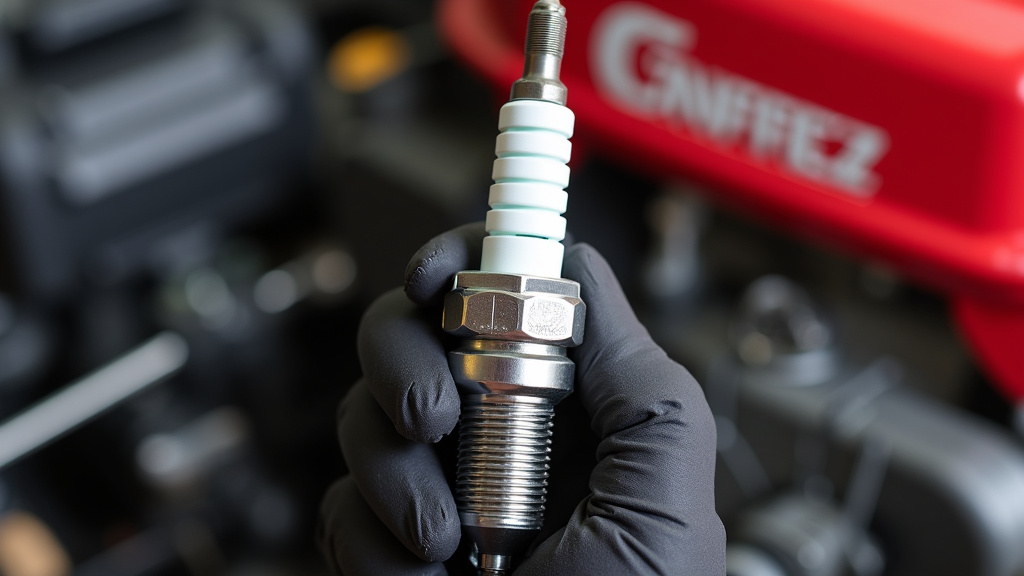
You now know exactly what you need to successfully replace your generator’s spark plug. Having the right tools, like the correct spark plug wrench, gap gauge, and a new plug, makes all the difference. Don’t forget those helpful extras and crucial safety steps, like disconnecting the spark plug wire and letting the engine cool.
Being prepared means your generator will be ready to go when you need it most, preventing frustrating breakdowns. So, gather your supplies, consult your manual, and confidently tackle this essential maintenance task. Your generator, and your peace of mind, will thank you for it!
Frequently Asked Questions
How often should I change my generator’s spark plug?
Most manufacturers recommend replacing your generator’s spark plug every 100-300 hours of use, or at least once a year. If your generator sees heavy use, or if you notice performance issues, consider checking it more frequently. Always refer to your specific generator’s owner’s manual for the most accurate service intervals.
Can I reuse an old spark plug after cleaning it?
While you can clean an old spark plug with a wire brush to remove carbon buildup, it’s generally best to replace it. Over time, spark plugs wear down, and their electrodes can erode, leading to less efficient sparking. A new spark plug is inexpensive and provides reliable performance, which is vital for a generator.
What happens if I use the wrong spark plug in my generator?
Using the wrong spark plug can lead to several problems. It might not fit correctly, causing poor connection or damage to the threads. An incorrect heat range can lead to engine overheating or fouling. Ultimately, it can cause poor engine performance, reduced fuel efficiency, or even long-term engine damage. Always match the plug to your generator’s specifications.
Do all spark plugs come pre-gapped?
No, not all new spark plugs come pre-gapped, and even if they do, it’s always a good idea to double-check the gap. Shipping and handling can sometimes alter the gap. Using your spark plug gap gauge to confirm the correct measurement as specified in your generator’s manual is a quick and essential step before installation.
Is anti-seize compound really necessary for spark plugs?
While not strictly essential for the generator to run, anti-seize lubricant is highly recommended. We found that it prevents the spark plug threads from corroding and seizing in the engine block. This makes future spark plug removals much easier and reduces the risk of stripping threads or damaging the engine head. A small dab goes a long way!
