
What Is a Dual Fuel Generator Used For?
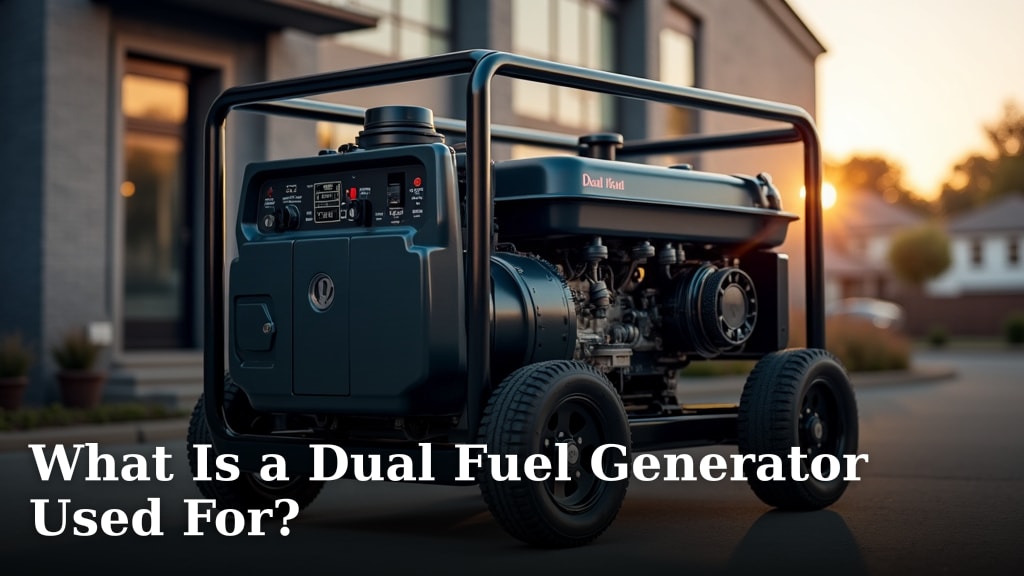
A dual fuel generator is primarily used for providing flexible and reliable power by running on two different fuel types, typically gasoline and propane. This versatility offers significant advantages, especially during power outages or in remote locations where one fuel might be scarce.
You can easily switch between fuel sources, making these generators incredibly convenient and adaptable. This means you have more options when planning for emergencies or powering your campsite. We found that this dual-fuel capability greatly extends run time and can reduce fuel costs over time.
- Get backup power with two fuel options.
- Switch between gasoline and propane easily.
- Enjoy longer run times during outages.
- Benefit from fuel flexibility and cost savings.
Ready to see how a dual fuel generator can fit into your life? Let’s dive into all the details and explore the many uses for these handy machines.
Versatile Applications of Dual Fuel Generators
A dual fuel generator excels in situations requiring flexible and reliable power. Its ability to switch between gasoline and propane makes it a highly adaptable power solution for many needs.
Emergency Home Backup Power
When the power goes out, a dual fuel generator can be your best friend. You can quickly fire it up to keep your essential appliances running. Think about your refrigerator, freezer, and even some lights.
Extending Run Time During Outages
Imagine a long power outage. What if you run out of gasoline? With a dual fuel generator, you can simply switch to propane. This flexibility means your power supply can last much longer (U.S. Department of Energy).
Propane also has a longer shelf life than gasoline. You won’t have to worry about fuel going bad if it sits for a while. This is a big plus for emergency preparedness.
Cost-Effectiveness in Emergency Situations
Propane can sometimes be cheaper than gasoline, depending on market prices. Having both options lets you choose the more economical fuel at the moment. This can save you money during unexpected outages.
We found that many people prefer propane for longer outages. It burns cleaner and can be stored in larger tanks. This means fewer refueling stops for you.
Powering Outdoor Activities and Remote Sites
Are you an avid camper or often work at job sites without grid power? A dual fuel generator is perfect for these scenarios. It gives you the power you need, wherever you are.
Camping and RV Trips
For your next camping adventure, bringing a dual fuel generator means comfort. You can power your RV’s AC unit, charge your devices, or even run a coffee maker in the morning. It makes roughing it a lot less rough.
Imagine having quiet, clean-burning propane for late-night power. Then you can switch to gasoline for higher power needs during the day. This adaptability is really convenient.
Construction and Job Sites
Construction crews often work in places without stable power. A dual fuel generator can power saws, drills, and other important tools. This keeps projects moving forward efficiently.
The choice between gasoline and propane is helpful here too. If gasoline is easier to transport to the site, you use that. If you have large propane tanks already, they can fuel the generator for days.
Comparing Fuel Types: Gasoline vs. Propane
Understanding the differences between gasoline and propane is key to appreciating a dual fuel generator. Each fuel has its unique strengths and weaknesses.
Advantages of Using Gasoline
Gasoline is widely available and often provides more power per gallon. This makes it a good choice for short bursts of high-demand power.
- Higher Power Output: Gasoline often gives a generator a bit more horsepower. This is useful for starting motors or running heavy-duty tools.
- Easy to Find: Every gas station carries gasoline. You can easily refill your tanks almost anywhere.
- Portable: Smaller gasoline tanks are easy to carry for quick jobs or short trips.
Advantages of Using Propane (LPG)
Propane burns cleaner and stores better over time. It’s often the preferred choice for extended use or emergency storage.
- Cleaner Burning: Propane produces fewer emissions. This is better for the environment and can extend your generator’s lifespan.
- Longer Shelf Life: Propane does not degrade over time, unlike gasoline. You can store it for years without worry.
- Safer Storage: Propane is stored in sealed tanks, reducing the risk of spills and fumes. It’s less flammable in liquid form than gasoline.
- Larger Capacity: Propane tanks can be much larger, allowing for longer run times without refueling.
Making the Right Fuel Choice
The best fuel choice depends on your specific situation. Consider what you’re powering, for how long, and where you are. This flexibility is the main benefit of these generators.
We found that having options means you’re never truly stuck. You can adapt to whatever challenges come your way, whether it’s a gas shortage or a need for longer run times.
Key Benefits of Owning a Dual Fuel Generator
Beyond emergency power and outdoor use, these generators offer several core advantages. They bring peace of mind and practical solutions.
Unmatched Fuel Flexibility
Imagine never being limited to just one fuel type. This is the core strength of a dual fuel generator. You get to choose based on availability, cost, and efficiency.
If gasoline prices spike, you can switch to propane. If propane tanks are hard to find after a storm, you can rely on your stored gasoline. This adaptability is truly valuable.
Extended Run Times and Reliability
By using two fuel sources, you can significantly extend how long your generator runs. You’re not just relying on one tank of gas; you have a backup ready to go.
This means more reliable power when you need it most. You won’t have to scramble to find fuel during a crisis. We’ve seen that this feature is a game-changer for many users.
Environmental and Maintenance Advantages
Propane burns cleaner than gasoline. This results in less carbon buildup on engine parts. Less buildup means less wear and tear, and potentially a longer life for your generator.
Think about fewer oil changes and spark plug replacements. This also translates to less maintenance effort for you over time. It’s a win-win for your generator and your wallet.
| Feature | Gasoline | Propane (LPG) | Dual Fuel Benefit |
|---|---|---|---|
| Availability | Very common | Common (cylinders) | Choose based on what’s available |
| Storage | 6-12 months (stabilized) | Years (sealed tanks) | Longer total fuel storage options |
| Cleanliness | Dirtier burn | Cleaner burn | Lower emissions, less engine wear |
| Power Output | Often higher | Slightly lower (typically) | Flexibility for high demand or efficiency |
| Cost | Varies (can be volatile) | Varies (often stable) | Option to choose the cheaper fuel |
Is a Dual Fuel Generator Right for You?
Now that you know what these generators are used for, you might be asking: “Do I really need one?” We can help you figure that out. Consider your power needs and typical situations.
A Quick Checklist for Your Needs
Think about these points. They can help you decide if a dual fuel generator fits your lifestyle:
- Do you live in an area prone to frequent power outages?
- Do you go camping, RVing, or use power tools at remote sites?
- Are you looking for longer run times during emergencies?
- Is fuel flexibility important for your peace of mind?
- Do you want to reduce generator maintenance over time?
- Are you seeking options to manage fuel costs more effectively?
If you answered “yes” to several of these, a dual fuel generator could be a great investment for you. Many people find the added flexibility outweighs the initial cost.
We found that homeowners looking for reliable backup power often gravitate towards these models. The ability to switch fuels just makes sense for preparedness.
Conclusion
You’ve seen how a dual fuel generator offers incredible versatility and peace of mind. By allowing you to switch between gasoline and propane, it provides reliable power for everything from unexpected outages to remote adventures. This flexibility extends run times, helps manage fuel costs, and even contributes to a cleaner-burning engine.
Choosing a dual fuel generator means you’re investing in adaptability. Whether you need backup power or a portable energy source, you’ll have options. We encourage you to weigh your specific needs and consider how this powerful tool can enhance your preparedness and outdoor experiences.
Frequently Asked Questions
Are dual fuel generators less powerful than single-fuel generators?
When running on propane, dual fuel generators typically have a slightly lower power output compared to when they run on gasoline. This difference is usually small and often doesn’t impact performance for most common uses. The benefit of fuel flexibility often outweighs this minor power reduction.
Is it difficult to switch between gasoline and propane on a dual fuel generator?
No, switching between fuels is generally very straightforward. Most models have a simple selector switch or valve that allows you to easily transition from one fuel source to the other. Always refer to your generator’s owner’s manual for specific instructions.
Can I store a dual fuel generator with fuel in it?
It’s generally recommended to run a generator until the carburetor is dry if storing it with gasoline for extended periods. However, propane can be stored in its sealed tank for years without degradation. Always follow the manufacturer’s storage guidelines for your specific model and fuel types.
Do dual fuel generators require more maintenance than regular generators?
While all generators require regular maintenance, dual fuel models can sometimes lead to less engine wear due to propane’s cleaner burn. This means less carbon buildup over time. Always stick to the maintenance schedule outlined in your generator’s manual.
What size propane tank do I need for my dual fuel generator?
The size of the propane tank you need depends on your generator’s run time requirements and power output. A standard 20 lb BBQ tank might give you several hours, while larger 100 lb tanks or even permanent residential tanks can provide days of power. Check your generator’s fuel consumption rates to calculate your needs.
