
What Is a Dual Fuel Generator and How Does It Work?
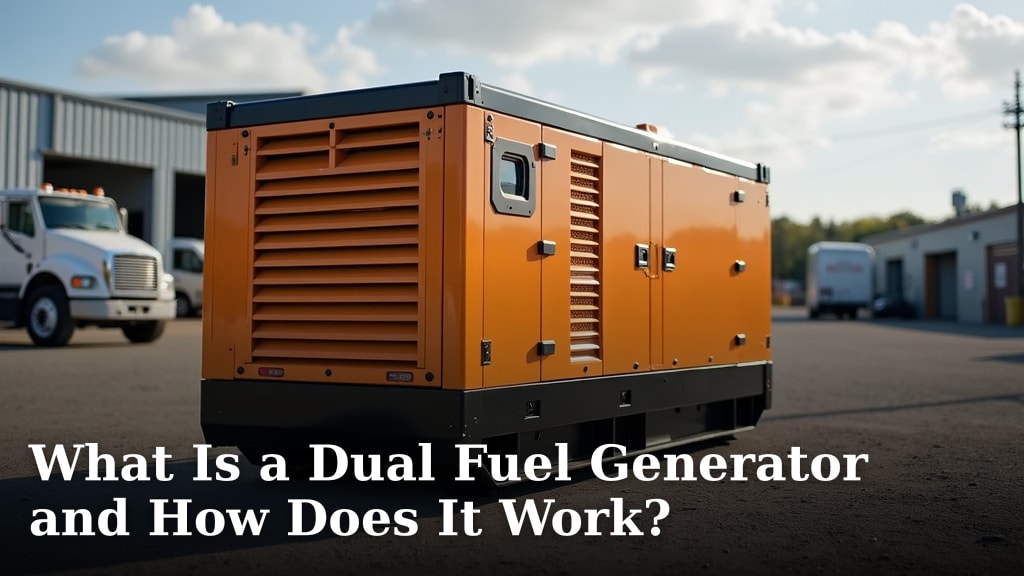
A dual fuel generator is a versatile power source that can run on two different types of fuel, typically gasoline and propane. This gives you more flexibility during outages or in remote locations. It works by having separate fuel systems that you can switch between as needed.
You might be wondering about the benefits of having two fuel options, right? We found that this setup provides extended run times and greater fuel availability. It’s like having a backup plan for your backup plan, offering peace of mind when you need power most.
- Dual fuel generators use gasoline and propane.
- You can switch between fuels easily.
- This offers longer run times than single-fuel generators.
- It provides flexibility during power outages.
- It’s a smart choice for emergency power needs.
Let’s dive into exactly how these generators work and why they might be the right choice for your power needs.
Understanding Dual Fuel Generator Operation
You’re probably wondering how these clever machines manage to switch between two different fuels, right? We found that it all comes down to their ingenious fuel systems. A dual fuel generator essentially has two separate, yet integrated, pathways for fuel delivery.
Think of it like a car that can run on both gas and electricity. You wouldn’t pour electricity into the gas tank! Similarly, a dual fuel generator has distinct components for each fuel type. This design allows you to choose your power source based on availability or cost.
The Gasoline System Explained
When you’re running your generator on gasoline, it works much like a traditional gas-powered engine. You fill the generator’s fuel tank with regular gasoline. This fuel then travels through a fuel line to the carburetor or fuel injector, depending on the engine’s design.
The carburetor mixes the gasoline with air. This mixture is then ignited in the engine’s combustion chamber. The resulting explosion drives the pistons, which turn a crankshaft. The crankshaft then powers the alternator to produce electricity.
It’s a straightforward process, familiar to anyone who’s used a gas lawnmower or car. Gasoline provides quick starting power and is readily available at most gas stations. However, it does have a shorter shelf life than propane.
The Propane System Explained
Switching to propane involves a different set of components. You connect an external propane tank to the generator. A special regulator reduces the pressure of the propane gas. This is important because propane is stored under high pressure.
The regulated propane then travels to a different part of the engine, often a dedicated propane carburetor or a fuel mixer. Here, it combines with air before entering the combustion chamber. Just like with gasoline, this mixture ignites, driving the engine and ultimately generating electricity.
Propane burns cleaner than gasoline, which can mean less engine wear over time. It also has an indefinite shelf life, making it excellent for long-term storage and emergency preparedness.
How Fuel Switching Happens
The magic of a dual fuel generator lies in its ability to transition between these two fuel sources. Most models have a selector switch or valve. This allows you to choose which fuel pathway is active at any given time.
Usually, you’ll start the generator on one fuel, typically gasoline for easier starting. Once it’s running smoothly, you can then switch to the other fuel, often propane. Some newer models might even have automatic fuel sensing, but most require manual selection.
It’s crucial to follow your generator’s specific instructions for switching fuels. Improper switching could potentially damage the engine. Always make sure the generator is running without a load when transitioning between fuels for the smoothest operation.
Why Choose a Dual Fuel Generator?
So, why would you want this dual-fuel capability in the first place? We found that the main reasons revolve around flexibility and peace of mind. Imagine a scenario where gas stations are closed, but you have a propane tank ready. Or vice versa!
A dual fuel generator offers you more options, which can be a game-changer during unexpected power outages or when you’re far from traditional fuel sources. It’s about having a reliable backup plan for your power needs.
Advantages of Dual Fuel Operation
Let’s break down the perks. We found several compelling reasons why people choose dual fuel generators:
- Extended Run Times: By having two fuel types, you can essentially double your available fuel supply. If your gasoline runs out, you can switch to propane and keep the power flowing. This is incredibly useful during long outages.
- Fuel Availability: Sometimes, one fuel type might be easier to find than the other. During a widespread emergency, gasoline might be scarce or difficult to transport. Propane, often stored in tanks, can be a lifesaver.
- Cleaner Burning: Propane generally burns cleaner than gasoline. This means less carbon buildup in the engine. Cleaner burning can lead to longer engine life and less frequent maintenance, which is always a bonus.
- Longer Shelf Life for Propane: Gasoline degrades over time, especially if not treated with a stabilizer (U.S. Department of Energy). Propane, however, has an virtually indefinite shelf life when stored correctly. This makes it ideal for emergency preparedness.
- Cost Efficiency: The price of gasoline and propane can fluctuate. With a dual fuel generator, you can choose the more affordable option at any given time. This can save you money in the long run, especially if you use your generator frequently.
Many homeowners and campers appreciate the versatility and resilience these generators offer. It’s like having two keys to your power supply instead of just one.
Potential Drawbacks to Consider
While dual fuel generators offer many benefits, they aren’t without their considerations. It’s good to be aware of these so you can make an informed decision:
- Higher Initial Cost: Dual fuel generators often cost a bit more upfront than their single-fuel counterparts. This is due to the added components for the second fuel system.
- Slight Power Loss on Propane: You might notice a small reduction in power output when running on propane compared to gasoline. We found this is common because propane has a lower energy density than gasoline. This usually isn’t a big deal for most home uses but is worth noting.
- Propane Tank Storage: While propane stores well, you’ll need space to store propane tanks. These tanks can be bulky and need to be kept in a well-ventilated area for safety (National Fire Protection Association).
- Complexity: With two fuel systems, there are simply more parts. This can potentially mean more points of failure, though modern generators are very reliable.
These aren’t deal-breakers for most people, but they are important factors to weigh when considering your options. It’s about finding the right balance for your specific needs.
Comparing Dual Fuel to Single Fuel Generators
To truly appreciate the dual fuel option, it helps to see it next to its single-fuel cousins. We found that the biggest differentiator is, predictably, fuel versatility. Let’s look at how they stack up.
| Feature | Dual Fuel Generator | Gasoline Generator | Propane Generator |
|---|---|---|---|
| Fuel Types | Gasoline & Propane | Gasoline Only | Propane Only |
| Flexibility | Very High (Choose fuel based on availability/cost) | Moderate (Relies solely on gasoline supply) | Moderate (Relies solely on propane supply) |
| Fuel Storage | Gasoline (limited shelf life), Propane (long shelf life) | Gasoline (limited shelf life) | Propane (long shelf life) |
| Emissions | Lower on propane, higher on gasoline | Higher (compared to propane) | Lower (cleaner burning) |
| Run Time | Potentially very long (using both fuels) | Limited by gasoline tank size and availability | Limited by propane tank size and availability |
| Initial Cost | Often higher | Generally lower | Generally moderate |
As you can see, dual fuel generators offer a blend of benefits from both single-fuel types. They try to give you the best of both worlds, minimizing the risks associated with relying on just one fuel source.
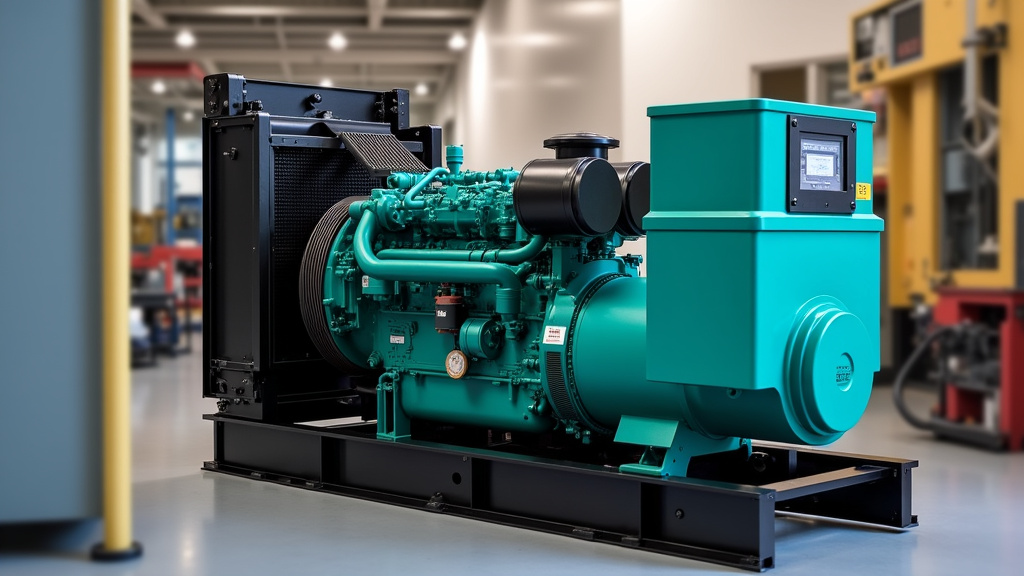
Is a Dual Fuel Generator Right for You?
After learning how they work and their pros and cons, you might be asking: “Is this the right generator for my home or adventures?” We found that it largely depends on your priorities and typical usage scenarios.
If you value versatility, extended run times, and the ability to adapt to different fuel availability, then a dual fuel generator is a strong contender. It’s particularly useful for those who live in areas prone to power outages or who need reliable power in remote locations like campsites.
Considerations for Your Purchase
Before you commit, here’s a quick checklist of things to think about:
- Do you need maximum flexibility for fuel sources?
- Are you looking for longer potential run times during an outage?
- Is the ability to use a cleaner-burning fuel like propane important to you?
- Do you have a safe, well-ventilated place to store propane tanks?
- Are you comfortable with a slightly higher initial investment for added features?
- Will you be able to easily access both gasoline and propane when needed?
If you answered “yes” to most of these questions, a dual fuel generator might just be your ideal power solution. It offers a robust and adaptable way to keep your lights on and appliances running, no matter what challenges come your way.
Conclusion
You’ve now got a clear picture of what a dual fuel generator is and how it operates. We found that these versatile machines offer significant advantages, primarily through their fuel flexibility and extended run times. While they might have a higher initial cost or a slight power difference on propane, the benefits of cleaner burning fuel and longer shelf life for preparedness often outweigh these points.
By understanding their unique mechanics and weighing the pros and cons, you can decide if a dual fuel generator is the smartest choice for your power needs. Consider your specific situation and fuel accessibility to make an informed decision for reliable power.
Frequently Asked Questions
Can I switch between gasoline and propane while the generator is running?
Yes, you can generally switch between fuels while the generator is running. We found it’s best to do this when the generator is not under a heavy load. Always consult your specific generator’s manual for the manufacturer’s recommended procedure.
Do dual fuel generators require more maintenance than single-fuel generators?
Dual fuel generators might have slightly more complex systems due to the extra fuel components. However, propane burns cleaner than gasoline, which can lead to less carbon buildup and potentially extend engine life. Regular maintenance is still key for any generator.
Is propane or gasoline better for starting a dual fuel generator?
Many users and manufacturers suggest starting the generator on gasoline. We found that gasoline often provides easier and quicker cold starts. Once running smoothly, you can then switch over to propane if that’s your preferred long-term fuel.
How long can a dual fuel generator run on a single tank of each fuel?
The run time varies greatly depending on the generator’s size, load, and the capacity of your fuel tanks. Propane typically offers a slightly lower power output, meaning you might consume more of it per hour compared to gasoline for the same load. Having both options extends your overall run time significantly.
Are dual fuel generators safe to use indoors?
Absolutely not. We emphasize that all generators, including dual fuel models, produce carbon monoxide. You must always operate them outdoors in a well-ventilated area, far from windows and doors, to prevent dangerous carbon monoxide poisoning.
