
How Do You Choose Between 5000 Watt or 7500 Watt Generator?
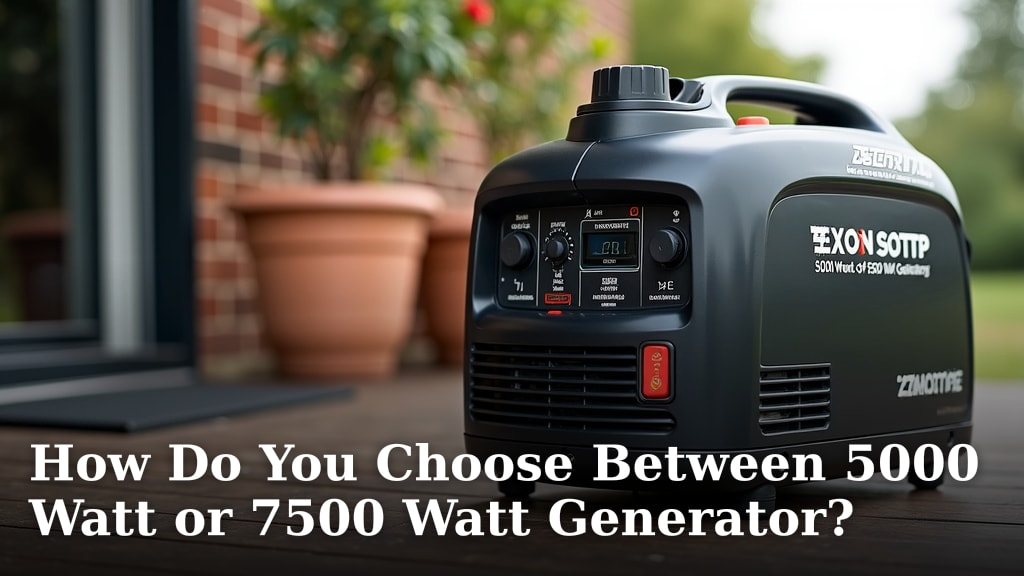
Choosing between a 5000-watt or 7500-watt generator boils down to your specific power needs. A 5000-watt model is often enough for essential home appliances, while a 7500-watt generator handles more appliances simultaneously or larger power demands. Think about what you absolutely need to run during an outage.
When you’re facing a power outage, having the right generator makes all the difference. It’s not just about keeping the lights on; it’s about keeping your fridge cold, your phone charged, and maybe even your AC running. Many people find that matching the generator’s output to their peak power requirements prevents frustrating overloads.
- 5000W generators suit basic needs (fridge, lights, small electronics).
- 7500W generators handle more appliances, including central AC or well pumps.
- Calculate your total wattage before buying.
- Consider surge wattage for motor-driven appliances.
- Future needs might sway your decision toward a larger unit.
Let’s walk through how to figure out which generator size is perfect for your home, ensuring you’re prepared for anything.
Picking the Right Generator: 5000W vs. 7500W
Choosing between a 5000-watt and a 7500-watt generator often feels like a puzzle. The right choice depends on your specific needs during a power outage. It’s about balancing cost, portability, and power output.
Understanding Generator Wattage
Wattage is simply the measure of electrical power. Think of it as how much “juice” your generator can produce. Every appliance in your home has a wattage rating. When you add up the wattage of everything you want to run, you get your total power need.
Running Watts vs. Starting Watts
This is a big one. Appliances with motors, like refrigerators, air conditioners, and well pumps, need more power to start up than they do to run. This initial surge is called starting watts. Once they’re running, they settle into their lower running watts.
- Running Watts: The continuous power an appliance needs to operate.
- Starting Watts: The extra burst of power an appliance needs for a few seconds to kick on.
Always factor in starting watts for your largest motor-driven appliances. Your generator needs to handle these surges without tripping a breaker.
Assessing Your Home’s Power Needs
Before you even look at generator models, grab a pen and paper. This step is critical. We found that most people underestimate their power needs (Energy.gov).
Make a List of Essential Appliances
What absolutely *must* run during an outage? Start here. This isn’t about running your entire house like normal, but about keeping things comfortable and safe. Think about food preservation, communication, and basic comfort.
- Refrigerator/Freezer
- Lights (a few key lamps)
- Phone/Laptop chargers
- Medical equipment (CPAP machine, oxygen concentrator)
- A fan or small space heater
- Sump pump (if you have a basement)
Calculate Total Wattage
Look at the labels on your chosen appliances. They’ll list wattage. If it shows amps and volts, multiply them (Amps x Volts = Watts). Add up all the running watts for your essential items. Then, identify the single appliance with the highest starting wattage and add that difference to your running total.
For example, if your fridge needs 600 running watts and 1800 starting watts (a difference of 1200 watts), and your total running watts for everything else is 3000, your generator needs to handle at least 3000 + 1200 = 4200 watts. This gives you a clear baseline.
When a 5000-Watt Generator Shines
A 5000-watt generator is a popular choice for many homeowners. It hits a sweet spot for basic emergency power.
What 5000 Watts Can Power
Typically, a 5000-watt generator can comfortably run your essentials. Imagine keeping your food fresh and a few lights on. You can usually power a refrigerator, some lights, a TV, a few chargers, and perhaps a microwave or a small window AC unit (though not all at once, usually).
We found that for many smaller homes or those with minimal power requirements, 5000 watts offers plenty of backup. It’s often more portable and less expensive to operate than larger units.
When to Step Up to a 7500-Watt Generator
If your needs go beyond the basics, a 7500-watt generator starts to look very appealing. It offers a significant jump in capability.
What 7500 Watts Can Handle
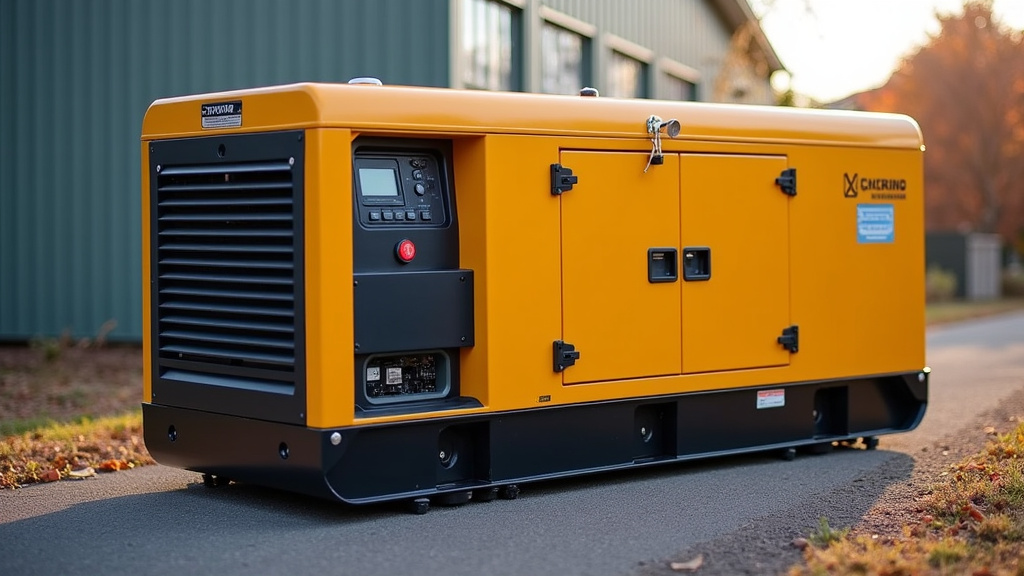
With 7500 watts, you gain a lot more flexibility. This size can often power most major appliances in your home. Think about running a refrigerator, a freezer, multiple lights, electronics, and still having room for a well pump or even a central air conditioning unit (though you’ll need to check the AC’s specific wattage). It’s a great option for larger homes or those who want more normalcy during an outage.
Many experts suggest a 7500-watt generator if you have a well pump or central AC you absolutely need to run. These appliances are often power-hungry.
A Quick Comparison: 5000W vs. 7500W
Let’s put them side-by-side to make the choice clearer. Each has its advantages.
| Feature | 5000-Watt Generator | 7500-Watt Generator |
|---|---|---|
| Typical Use | Basic essentials, small home | More appliances, larger home, well pump, central AC |
| Cost | Generally lower initial price | Higher initial price |
| Fuel Consumption | More fuel-efficient for its output | Consumes more fuel, especially under heavy load |
| Portability | Often lighter, easier to move | Heavier, usually requires wheels |
| Noise Level | Can be slightly quieter | Often louder due to larger engine |
Other Factors to Consider
Beyond pure wattage, a few other things should influence your decision. These often get overlooked but can make a big difference in your experience.
Fuel Type and Capacity
Generators run on gasoline, propane, or sometimes natural gas. Gasoline is common but degrades over time. Propane stores well but has lower energy density. Dual-fuel generators offer flexibility. Consider how much fuel you can safely store and for how long you’d need to run the generator.
Noise Levels
Generators can be noisy. If you live close to neighbors or value quiet, check the decibel ratings. Inverter generators are generally quieter but can be more expensive. A few decibels might not sound like much, but it can make a big difference over hours of operation.
Portability and Storage
Where will you store your generator? How will you move it? A 5000-watt unit is often more compact. A 7500-watt unit will be heavier and bulkier, usually coming with wheels and a handle. Make sure you have adequate storage space and can safely move it when needed.
Your Generator Decision Checklist
Before you make that final purchase, run through these quick points. It’s like a final mental check!
- Have I accurately calculated my running and starting watts?
- Are there any specific appliances (like medical devices) that absolutely must run?
- Do I need to power a well pump or central air conditioning?
- How long do I anticipate needing power during an outage?
- What is my budget for both the generator and its fuel?
- Can I safely store and operate the generator according to its instructions?
Conclusion
Choosing between a 5000-watt and 7500-watt generator doesn’t have to be overwhelming. It all comes down to a clear understanding of your home’s unique power needs and priorities. By carefully listing your essential appliances and calculating their running and starting watts, you can confidently determine which size offers the right balance of capability, cost, and fuel efficiency for you.
Remember to consider factors like fuel type, noise, and portability, as these impact your long-term satisfaction. Take the time to do your wattage homework, and you’ll be well-prepared for any power interruption that comes your way.
Frequently Asked Questions
Is a 7500-watt generator enough to power a whole house?
For many average-sized homes, a 7500-watt generator can power most essential circuits, including major appliances like refrigerators, freezers, some lights, and even a well pump or a central AC unit (though usually not both simultaneously). It provides significant backup power, but likely won’t run every single item in your house at once.
Can a 5000-watt generator run a central air conditioner?
Generally, a 5000-watt generator is not powerful enough to run most central air conditioning units. Central AC units typically require between 3000-5000 running watts and significantly more starting watts, often exceeding a 5000-watt generator’s capacity. You would likely need a 7500-watt generator or larger for central AC.
How long can a 7500-watt generator run on a tank of gas?
The run time for a 7500-watt generator varies greatly based on its fuel tank size and the load it’s carrying. A typical 6-gallon tank might last 8-10 hours at a 50% load, but significantly less if you’re running it at maximum capacity. Always check the manufacturer’s specifications for accurate run times.
What’s the main advantage of a 7500-watt generator over a 5000-watt one?
The primary advantage of a 7500-watt generator is its increased capacity to handle more appliances simultaneously, especially high-demand items like well pumps or central air conditioning. This offers greater comfort and convenience during an outage compared to being limited to only basic essentials with a smaller unit.
Will a generator damage my electronics?
Most modern portable generators produce a good enough power output for general appliances. However, for sensitive electronics like computers, smart TVs, or medical devices, you might consider an inverter generator, which produces “cleaner” power. Alternatively, you can use a surge protector between your generator and sensitive electronics for added protection.
