
Is It Worth Buying Electric Start or Recoil Start Generator?
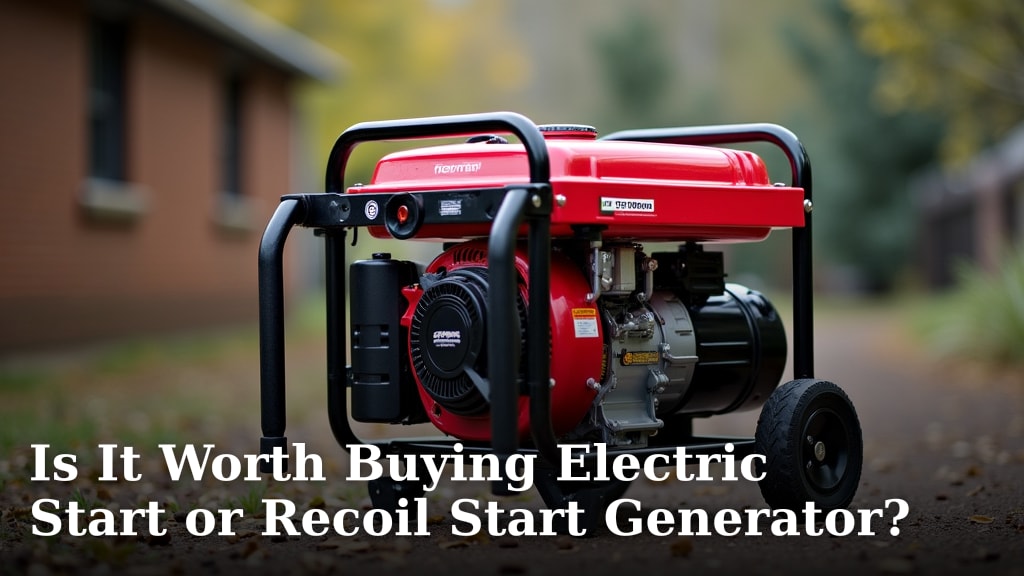
Deciding between an electric start or recoil start generator comes down to your priorities. For ease of use and convenience, electric start is often worth the extra cost. However, a recoil start generator can be more reliable in extreme conditions.
You’re looking for a generator that fits your needs perfectly. Do you prioritize effortless starting, or is a simpler, potentially more durable system your preference? We found that each starting method offers distinct advantages and drawbacks you should consider.
- Electric start offers push-button convenience.
- Recoil start is simpler, often more affordable.
- Consider reliability in cold weather.
- Think about physical effort required.
- Battery maintenance is key for electric start.
Let’s walk through the details. We’ll help you decide which generator starting method is best for you.
Choosing the Right Generator Start: Electric vs. Recoil
You’re weighing your options for a generator’s starting mechanism. The decision often boils down to convenience versus simplicity. Let’s break down what each type offers.
Understanding Electric Start Generators
Electric start generators are like miniature cars. You turn a key or push a button, and the engine cranks. This method uses a small battery and a starter motor to get things going. It’s incredibly user-friendly.
The Convenience Factor of Electric Start
Imagine needing power in a hurry. With an electric start, you just press a button. There’s no pulling a cord, no strenuous effort. This is a huge plus, especially for quick power outages or emergencies.
This convenience is particularly beneficial for those with physical limitations. If you have shoulder issues, back problems, or simply aren’t as strong as you used to be, electric start is a game-changer. We found it reduces the barrier to using a generator.
Ease of Use for Everyone
Anyone can operate an electric start generator. Your teenager, your spouse, even your neighbor can start it if needed. This makes it a great option for household backup power where multiple people might need to use it.
Potential Downsides of Electric Start
While convenient, electric start systems introduce more parts. More parts can sometimes mean more things to go wrong. The primary concern is the battery itself.
Battery Maintenance and Reliability
An electric start generator needs a charged battery to function. If the battery is dead, you’re out of luck. This means regular maintenance: checking battery levels, ensuring it stays charged, and possibly replacing it every few years. Cold weather can also severely affect battery performance, making it harder to start (American Red Cross recommends checking generator batteries regularly).
Many electric start models also include a recoil start as a backup. This is a smart design, giving you a Plan B if the battery fails. But if a model relies solely on electric start, a dead battery means no power at all.
Understanding Recoil Start Generators
Recoil start, often called a “pull start,” is the classic method. You grab a handle attached to a rope and give it a firm, quick pull. This spins the engine’s flywheel, igniting the fuel. It’s a mechanical process, much like starting a lawnmower.
Simplicity and Durability of Recoil Start
Recoil start systems are wonderfully simple. Fewer moving parts mean less to break down. There’s no battery to maintain, no starter motor to fail. This makes them incredibly robust and reliable, especially in harsh conditions.
Their mechanical nature means they often perform consistently in extreme cold. You don’t have to worry about a battery losing its charge due to freezing temperatures. Many experts point to this as a key advantage for remote or emergency use.
Cost-Effectiveness
Generators with recoil start mechanisms are typically less expensive. The manufacturing cost is lower because there’s no battery, starter motor, or complex wiring. If you’re on a budget, a recoil start can offer significant savings upfront.
The Physical Effort Requirement
The main drawback of recoil start is the physical effort involved. You need to be able to pull that cord with enough force and speed to get the engine turning over. Sometimes it takes a few tries, which can be tiring.
If you’re not in good physical shape, or if you have an injury, this can be a real challenge. We’ve heard stories of people struggling for minutes to get their generator started, especially when cold or after sitting idle for a while.
Key Factors for Your Decision
To help you decide, let’s look at a few critical points. Your personal situation and planned use will heavily influence which type is best for you.
Your Physical Ability
This is perhaps the most important consideration. Can you comfortably pull a cord multiple times? A generator engine needs a good, strong pull. If you or anyone else who might need to start the generator isn’t able to do this, electric start is the clear winner.
Don’t overestimate your strength or patience when under stress during an outage. An easy start can make a difficult situation much less stressful.
Budget Considerations
As we mentioned, recoil start generators usually cost less initially. If you have a strict budget, this might be a deciding factor. Remember to factor in potential long-term costs too, like battery replacement for electric start models.
Intended Use of Your Generator
How often will you use it? For occasional use or emergencies, recoil start can be perfectly fine. For frequent use, or if you anticipate needing power quickly and often, the convenience of electric start might be worth the extra investment.
- Emergency Backup: Do you want instant, no-fuss power? Electric start.
- Job Site: Will multiple people be starting it throughout the day? Electric start is often preferred for efficiency.
- Camping/Recreational: If you’re physically active and want a lighter, simpler unit, recoil might suit you.
Reliability in Varying Conditions
Consider your local climate. If you live somewhere with harsh winters, a recoil start might offer more consistent reliability. Batteries drain faster in the cold and cranking power decreases. However, modern electric start batteries are improving.
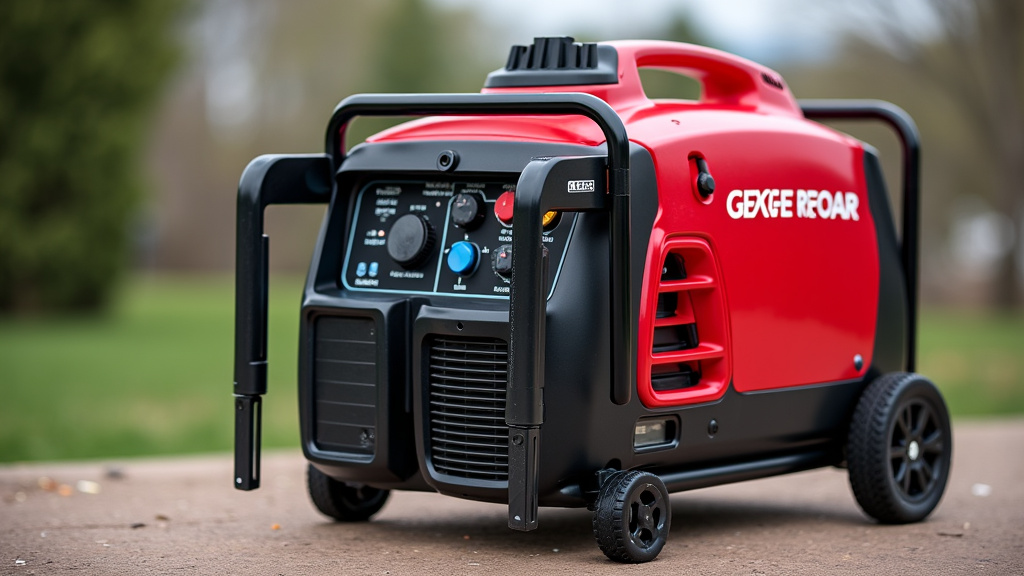
Comparison Table: Electric vs. Recoil Start
Here’s a quick overview to help you compare the two methods side-by-side.
| Feature | Electric Start | Recoil Start |
|---|---|---|
| Ease of Use | Very easy (push button/key turn) | Requires physical effort (pull cord) |
| Physical Effort | Minimal | Significant |
| Components | Engine, starter motor, battery, wiring | Engine, pull cord mechanism |
| Reliability | Can be affected by battery issues (cold, discharge) | Generally very reliable, less prone to component failure |
| Maintenance | Battery checks, charging, occasional replacement | Minimal, mostly engine maintenance |
| Cost | Typically higher upfront | Generally lower upfront |
| Cold Weather | Battery performance can be reduced | Often starts well without battery concerns |
| Backup Start | Many have recoil as backup | No backup mechanism |
Making Your Final Decision
So, which one is right for you? It’s not about one being inherently “better” than the other. It’s about finding the best fit for your specific circumstances.
A Checklist for Your Generator Choice
Before you buy, ask yourself these questions:
- Will someone with limited physical strength need to start it?
- Is your budget flexible enough for the added cost of electric start?
- How often do you anticipate using the generator?
- Do you live in an area with very cold winters?
- Are you diligent about routine battery maintenance?
- Do you prioritize simplicity over convenience, or vice-versa?
If you prioritize effortless starting and aren’t concerned about a slightly higher price or battery upkeep, an electric start generator is likely your best bet. However, if you value rugged simplicity, lower cost, and don’t mind a bit of physical effort, a recoil start model will serve you well.
Consider your own needs, your physical capabilities, and the environment your generator will operate in. That will guide you to the perfect choice.
Conclusion
Choosing between an electric start and recoil start generator boils down to your personal priorities. If convenience and effortless starting are non-negotiable, especially for multiple users or those with physical limitations, the electric start is clearly your best bet. However, if you prioritize rugged simplicity, lower initial cost, and don’t mind a manual pull, a recoil start offers dependable power.
We found that considering your budget, physical capabilities, and the specific conditions your generator will face, empowers you to make an informed decision. Think about your real-world needs. That’s the key to finding the perfect fit for your home or job site.
Frequently Asked Questions
Do electric start generators always have a recoil start backup?
No, not all electric start generators include a recoil start backup. While many do, it’s essential to check the product specifications. A backup pull start is a valuable feature for when the battery inevitably dies or fails.
Are recoil start generators harder to maintain than electric start models?
Generally, recoil start generators require less maintenance specifically for their starting mechanism. There’s no battery to charge, check, or replace. You still need to maintain the engine itself, just like any generator.
Does cold weather affect both electric and recoil start generators?
Cold weather primarily impacts electric start generators by reducing battery efficiency, making them harder to crank. Recoil start generators can also be harder to start in the cold due to denser oil and fuel, but they don’t have battery performance issues.
Can I convert a recoil start generator to an electric start?
Converting a recoil start generator to electric start is usually not practical or recommended. It would involve adding a starter motor, battery, and charging system, which can be complex and costly. It’s often better to buy a generator with the desired starting method built-in.
Which type of generator is better for occasional emergency use?
For occasional emergency use, either can work well, but your comfort level is key. If you want instant, no-fuss power during a stressful outage, electric start is great. If you prioritize simplicity and lower cost, and don’t mind the pull, a recoil start is perfectly reliable.
