
How Do You Choose Between Electric Start or Recoil Start Generator?
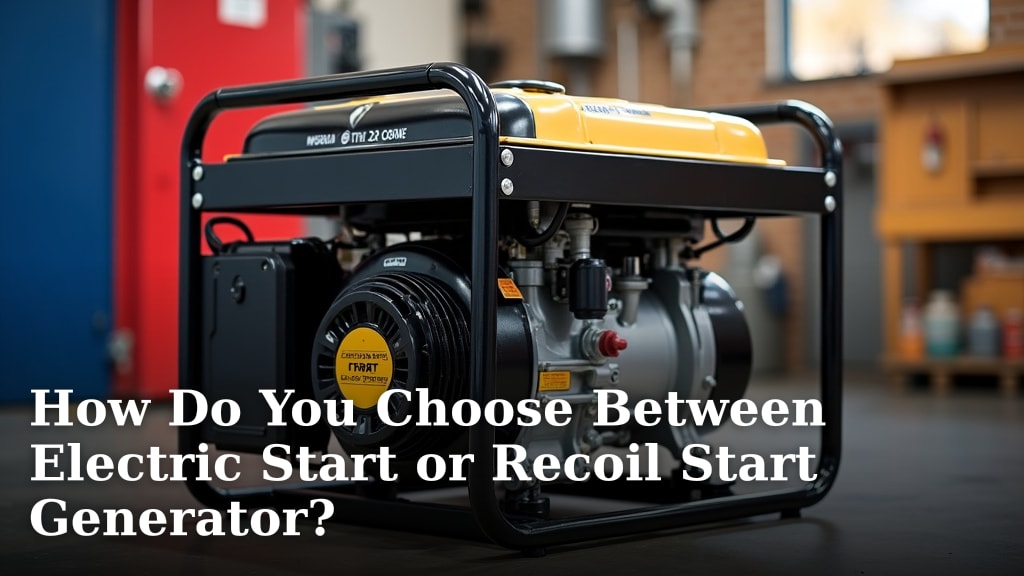
When you’re choosing between an electric start or recoil start generator, consider what you value most. Electric start offers unmatched convenience, powering on with just a button. Recoil start is simpler and more reliable, using a pull cord to get things going.
Each type has its own pros and cons for your needs. Think about ease of use versus reliability when you make your choice. We found that most people prioritize either convenience or basic function.
- Electric start is easy to use.
- Recoil start is very dependable.
- Consider your physical ability.
- Think about the generator’s purpose.
- Battery maintenance matters for electric start.
Let’s walk through everything you need to know about these two starting methods. We’ll help you pick the best one for your situation.
Understanding Electric Start vs. Recoil Start Generators
When you’re faced with the choice between an electric start or a recoil start generator, it really boils down to balancing convenience with straightforward reliability. We found that most people prioritize one over the other based on their specific needs and physical capabilities. Let’s break down what each option means for you.
Electric Start: The Push-Button Convenience
Imagine needing power quickly, perhaps during a storm. With an electric start generator, you typically just push a button or turn a key, much like starting your car. This feature makes it incredibly easy to get your generator running, even in stressful situations. There’s no physical effort involved in pulling a cord.
The Upsides of Electric Start
The primary benefit here is ease of use. If you or someone in your household might struggle with the physical exertion of pulling a cord, an electric start is a clear winner. It’s also fantastic for quick, unexpected power outages. We’ve seen many people, especially those who use generators regularly or for emergencies, appreciate this effortless start.
- Effortless Operation: Just a button press or key turn.
- Accessibility: Great for individuals with physical limitations.
- Quick Start-up: Powers on rapidly when every second counts.
The Downsides of Electric Start
However, this convenience comes with a few considerations. Electric start generators require a battery to function. Just like a car battery, this generator battery needs maintenance. It can drain over time or in cold weather. If the battery is dead, your generator won’t start electrically. Many models include a backup recoil start, but not all do. So, if the battery fails, you might be out of luck (U.S. Department of Energy). This adds a layer of complexity compared to a recoil start model.
- Battery Dependence: Relies on a charged battery.
- Maintenance Needs: Battery requires occasional charging and upkeep.
- Potential Failure Point: A dead battery means no electric start.
- Higher Cost: Generally more expensive upfront than recoil models.
Recoil Start: The Tried-and-True Workhorse
The recoil start generator is what most people picture: you grab a handle, give a firm pull on a rope, and the engine kicks to life. This method is old-school but incredibly effective and reliable. It’s a mechanical system, meaning fewer electronic parts to potentially fail.
The Advantages of Recoil Start
The biggest plus for recoil start is its simplicity and reliability. There’s no battery to worry about charging or maintaining. As long as you have fuel and the engine is in good condition, a few pulls should get it going. This can be a huge peace of mind for those who value foolproof operation. They also tend to be lighter and more affordable.
- Extreme Reliability: No battery to die or maintain.
- Lower Cost: Often more budget-friendly initially.
- Lighter Weight: Can be easier to move around without a heavy battery.
- Mechanical Simplicity: Fewer parts means less can go wrong.
The Disadvantages of Recoil Start
The main drawback is the physical effort required. Depending on the generator’s engine size, it can take significant strength to pull the cord. If you’re not physically able, or if you need to start it multiple times, this can become exhausting. Cold weather can also make engines harder to start, requiring more pulls. Imagine trying to start a large generator in a snowstorm!
- Physical Exertion: Requires strength to pull the cord.
- Repeated Attempts: May need multiple pulls to start.
- Not for Everyone: Can be challenging for some individuals.
- Slower Start-up: Not as immediate as an electric start.
Key Factors Influencing Your Generator Choice
Beyond the basic starting mechanism, several practical considerations should guide your decision. We found that thinking through these points helps you narrow down the best option for your unique situation.
Consider Your Physical Abilities
This is perhaps the most critical factor. Can you comfortably and reliably pull a recoil cord, especially when cold or tired? If you have any physical limitations, such as back problems, arthritis, or reduced upper body strength, an electric start is almost certainly the better choice. Don’t underestimate the effort a recoil start can demand, particularly on larger engines.
How Often Will You Use It?
Are you planning to use your generator frequently, say, for a remote cabin or a job site? Or is it primarily for occasional emergency backup? For frequent use, the convenience of electric start might be worth the extra cost and maintenance. For rare, emergency-only use, the simplicity of a recoil start might be appealing, as long as you’re physically able to operate it.
Environment and Climate
Where will you be using your generator? In very cold climates, batteries can lose charge more quickly. This means an electric start generator’s battery might need more frequent attention, or you might rely on the backup recoil start more often. Conversely, extreme cold can also make recoil starting harder as engine oil thickens. Some larger electric start models include a block heater to help with cold starts (Consumer Reports).
Budget Considerations
Generally, electric start generators carry a higher price tag. This is due to the added components: the starter motor, battery, and charging system. If budget is a primary concern, a recoil start model will likely be more affordable upfront. Remember to factor in potential battery replacement costs for electric start models down the line.
The Importance of Backup Systems
Many modern electric start generators also come with a backup recoil start. This is a fantastic feature! It offers the best of both worlds: push-button convenience with the security of a manual backup if the battery ever fails. When comparing models, always check if an electric start generator includes a recoil backup. We highly recommend looking for this feature, as it provides invaluable peace of mind.
Making Your Final Decision: A Quick Checklist
To help you choose, ask yourself these questions. We found that honestly answering them will point you toward the right generator for you.
- Can I easily pull a recoil start cord multiple times, even in an emergency?
- Do I want the absolute easiest starting method, regardless of battery maintenance?
- Is my budget flexible enough for the higher cost of an electric start?
- Will I remember to maintain and charge a generator battery regularly?
- Do I need a generator that’s as light and simple as possible?
- Is a backup starting method important to me for extra reliability?
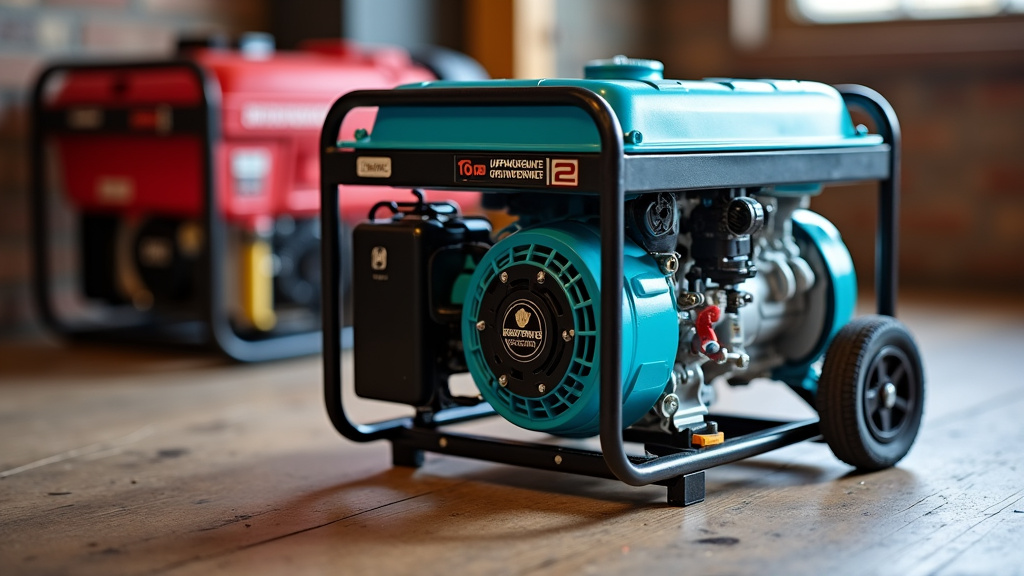
Side-by-Side Comparison: Electric vs. Recoil Start
To summarize, here’s a quick table to help you visualize the main differences we’ve discussed. This can be a helpful tool for weighing your options.
| Feature | Electric Start | Recoil Start |
|---|---|---|
| Starting Method | Push-button or key turn | Manual pull cord |
| Ease of Use | Very easy, minimal effort | Requires physical effort |
| Reliability | Good, but depends on battery health | Excellent, very few failure points |
| Components | Starter motor, battery, charging system | Pull cord, spring mechanism |
| Maintenance | Battery charging/replacement needed | Minimal, cord inspection |
| Cost | Generally higher upfront | Generally lower upfront |
| Weight | Often heavier due to battery | Lighter |
| Common Use | Regular use, convenience-focused | Emergency backup, budget-conscious |
Conclusion
Choosing between an electric start or recoil start generator ultimately comes down to your priorities. If ease of use and accessibility are paramount, especially if physical limitations are a concern, an electric start is likely your best bet. Remember to factor in battery maintenance.
However, if you prioritize simplicity, budget, and bulletproof reliability without electronic dependencies, a recoil start generator is a strong contender. We recommend carefully weighing your physical ability against the convenience each option offers. Your ideal generator will perfectly match your needs and how you plan to use it.
Frequently Asked Questions
Is an electric start generator always better than a recoil start?
Not necessarily. While electric start offers greater convenience, it introduces battery dependence and higher cost. A recoil start generator is often more reliable mechanically and can be a better choice if you value simplicity and a lower price point.
Do electric start generators have a backup manual start?
Many, but not all, electric start generators include a recoil start as a backup. This is a highly recommended feature, as it ensures you can still start your generator if the battery is dead or failing. Always check the product specifications.
How often do I need to maintain the battery on an electric start generator?
Generator batteries, like car batteries, need regular maintenance. You should check the charge periodically and use a trickle charger if the generator is stored for extended periods, especially in cold weather. This prevents the battery from draining completely.
Can extreme cold affect a recoil start generator?
Yes, extreme cold can make any generator harder to start. Engine oil thickens in cold temperatures, requiring more effort to pull the recoil cord. Some users may also find the physical act of pulling the cord more challenging in frigid conditions.
Are recoil start generators lighter than electric start models?
Generally, yes. Recoil start generators do not have the added weight of a starter motor and battery, making them typically lighter and potentially easier to move. This can be a benefit if portability is important for your use.
