
Which Is Better Electric Start or Recoil Start Generator?
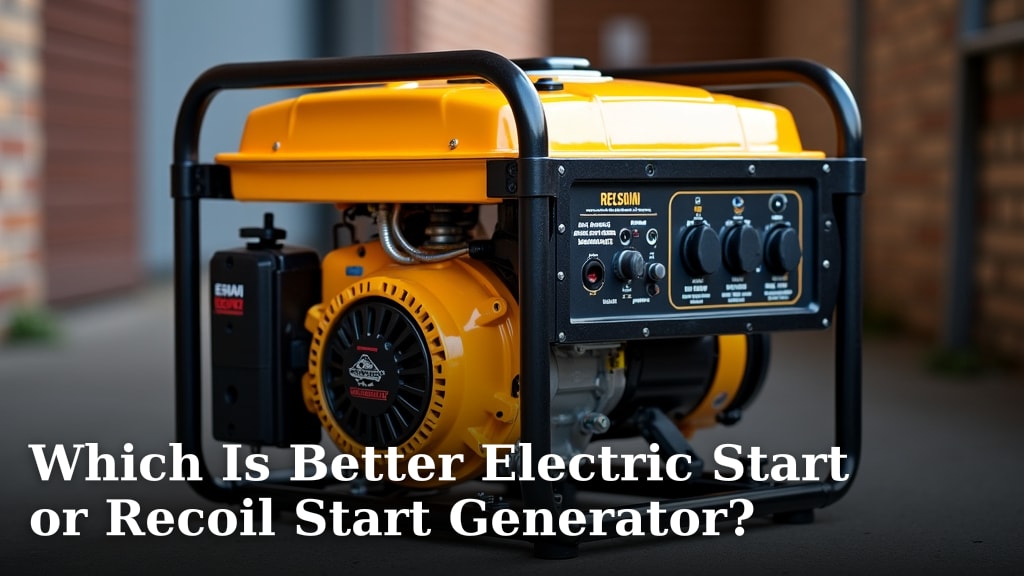
For most people, a generator with an electric start is better than a recoil start. Electric start offers push-button convenience and easier operation, especially for those who struggle with manual pulling. However, recoil start generators are generally more affordable and reliable in extreme cold.
Choosing between an electric start or recoil start generator really depends on your personal needs and priorities. Do you value ease of use, or is a lower cost and simpler mechanism more important? We found that both types have their distinct advantages and disadvantages, impacting your experience during power outages or outdoor adventures.
- Electric start: Easy, push-button starting.
- Recoil start: More affordable, no battery to maintain.
- Consider your physical ability and budget.
- Cold weather favors recoil; convenience favors electric.
Let’s dive into the details to help you decide which generator starting method is the best fit for your specific situation. We’ll walk you through everything you need to know.
Comparing Electric Start and Recoil Start Generators
When it comes to generators, the starting method is a big deal. It affects how easy it is to use your generator, especially when you need it most. Let’s break down the main differences between electric start and recoil start models so you can make an informed choice.
How Electric Start Generators Work
Imagine starting your car. That’s pretty close to how an electric start generator operates. You simply push a button or turn a key. A small motor, powered by a built-in battery, kicks the engine over. It’s designed for convenience and ease.
This method is fantastic for people who want a quick, no-fuss start. No heavy pulling, no multiple attempts. Just a simple action, and your generator should hum to life. We found that many users appreciate this feature, especially during stressful power outages.
The Role of the Battery
The heart of an electric start system is its battery. This battery is usually a 12-volt lead-acid battery, similar to what you’d find in a small garden tractor or ATV. It needs to be charged and maintained to ensure your generator starts when needed. Think of it like your car battery; if it dies, you’re stuck.
Some generators have an internal charging system that recharges the battery while the generator runs. Others might require you to occasionally connect it to an external trickle charger. Forgetting to maintain this battery is a common reason why electric start generators fail to start, according to many generator service technicians we spoke with.
How Recoil Start Generators Work
A recoil start, often called a pull start, is much more manual. You grab a handle attached to a rope, give it a good, strong tug, and the engine turns over. It’s similar to starting a lawnmower or a small outboard motor. This method relies entirely on your physical effort to get the engine going.
For those who are used to manual yard equipment, this might feel natural. However, it can be challenging for others. We found that the effort required can vary greatly between different generator models and engine sizes. A larger engine often means a harder pull.
The Simplicity of Recoil Systems
One key advantage of recoil start is its mechanical simplicity. There’s no battery to worry about, no starter motor to fail. This often translates to fewer parts that can break down. This simplicity can be a big plus for reliability, especially in scenarios where you can’t easily access replacement parts or charging equipment.
Because there’s no battery, recoil start generators tend to be lighter and slightly more compact. They also don’t suffer from battery performance issues in extreme cold, which can be a real headache for electric start models.
Advantages and Disadvantages of Each Starting Method
Let’s take a closer look at the pros and cons of each type. Weighing these points will help you see which aligns better with your needs and lifestyle.
Benefits of Electric Start
- Effortless Operation: Push-button or key start means no strenuous pulling. This is a huge plus for anyone with physical limitations or during emergencies when you might be stressed.
- User-Friendly: We found that almost anyone can start an electric start generator. No special technique or strength is required.
- Convenience: Imagine trying to pull-start a generator in the pouring rain or freezing cold. An electric start makes these situations much more manageable.
- Remote Start Options: Some advanced electric start models even offer remote start capabilities, allowing you to power up from a distance.
Drawbacks of Electric Start
- Battery Dependence: The biggest drawback is the need for a functional, charged battery. If the battery is dead or faulty, your generator won’t start electrically.
- Battery Maintenance: Batteries require periodic charging and checks, especially if the generator isn’t used often. Failure to maintain the battery is a leading cause of starting issues.
- Higher Cost: Electric start generators generally cost more upfront due to the added components (battery, starter motor, wiring).
- Cold Weather Performance: While convenient, batteries can lose efficiency in very cold temperatures, potentially making starting more difficult.
Benefits of Recoil Start
- Reliability: Without a battery or complex electrical components for starting, there are fewer points of failure. This can mean greater reliability, especially in challenging environments.
- Lower Cost: Recoil start generators are typically more affordable, making them a great option if you’re on a tighter budget.
- No Battery Maintenance: You don’t have to worry about charging or replacing a starter battery, simplifying long-term ownership.
- Cold Weather Advantage: Recoil starts are often more dependable in very cold conditions since they don’t rely on battery power, which can be affected by low temperatures.
Drawbacks of Recoil Start
- Physical Effort: Starting requires manual pulling, which can be strenuous and difficult for some individuals, including those with back problems or limited upper body strength.
- Multiple Pulls: It often takes several pulls to get the engine to catch, especially if the generator hasn’t been used recently.
- Difficulty in Emergencies: If you’re cold, tired, or stressed during an outage, the physical exertion of a recoil start can be particularly challenging.
- Risk of Injury: Improper pulling technique can lead to pulled muscles or other minor injuries.
Making Your Decision: Factors to Consider
Choosing between these two options isn’t just about price. It’s about how you’ll use the generator, who will be operating it, and what conditions you expect to face.
Ease of Use and Physical Ability
This is probably the most significant factor. If anyone in your household, including elderly family members or those with physical limitations, might need to start the generator, an electric start is almost certainly better. Why add stress to an already stressful situation?
However, if you’re strong and comfortable with manual starting, and you enjoy the simplicity, recoil might be perfectly fine for you. We often hear from users who prefer the mechanical feel of a pull start.
Budget and Cost
As we mentioned, recoil start generators generally come with a lower initial price tag. If every dollar counts and you’re willing to put in the physical effort, this can be a smart choice. Electric start models do offer added convenience, but that comes at a cost.
Don’t forget to factor in the potential cost of a replacement battery for electric start models every few years. It’s a small recurring expense that adds up over time.
Intended Use and Environment
Are you planning to use your generator for occasional camping trips in mild weather, or is it for critical home backup in all seasons? If you live in an area with harsh winters where temperatures regularly drop below freezing, a recoil start might offer more peace of mind due to its cold-weather reliability.
For RV use or scenarios where you want quick power without fuss, an electric start is often preferred. Think about when and where you’ll most likely need that power.
Hybrid Start Systems
Did you know some generators offer the best of both worlds? Many electric start generators also come equipped with a recoil pull cord as a backup. This is a fantastic feature. If your battery dies or the electric starter fails, you still have a way to get your generator running.
We found that many of the most popular and highly-rated generators offer this dual-start capability. It provides excellent peace of mind, knowing you have a backup plan. Always check if an electric start model includes this manual backup.
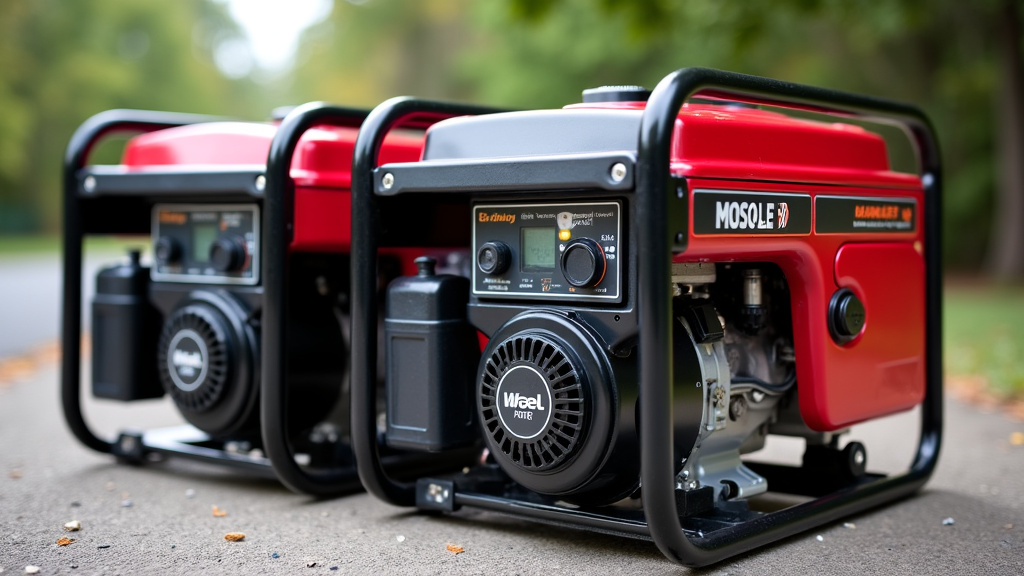
Quick Checklist for Your Generator Choice
Here’s a quick list of questions to help you narrow down your decision. Think about what matters most to you:
- Can everyone who might need to use the generator easily pull-start it?
- Is budget your absolute top priority, even over convenience?
- How often do you expect to use the generator?
- Do you live in an area with extreme cold temperatures?
- Are you willing to perform periodic battery maintenance?
- Would the peace of mind of a backup manual start be important to you?
| Feature | Electric Start Generator | Recoil Start Generator |
|---|---|---|
| Starting Method | Push-button/Key start (battery-powered) | Manual pull cord |
| Ease of Use | Very easy, minimal effort | Requires physical effort and technique |
| Cost | Generally higher upfront cost | More affordable upfront cost |
| Reliability | Reliable if battery is maintained | Highly reliable due to mechanical simplicity |
| Cold Weather | Battery performance can be affected | Less affected by cold; no battery issues |
| Maintenance | Requires battery checks and charging | Minimal; no battery to maintain |
| Weight | Slightly heavier due to battery/starter | Generally lighter |
