
How Do You Choose Between Dual Fuel or Tri Fuel Generator?
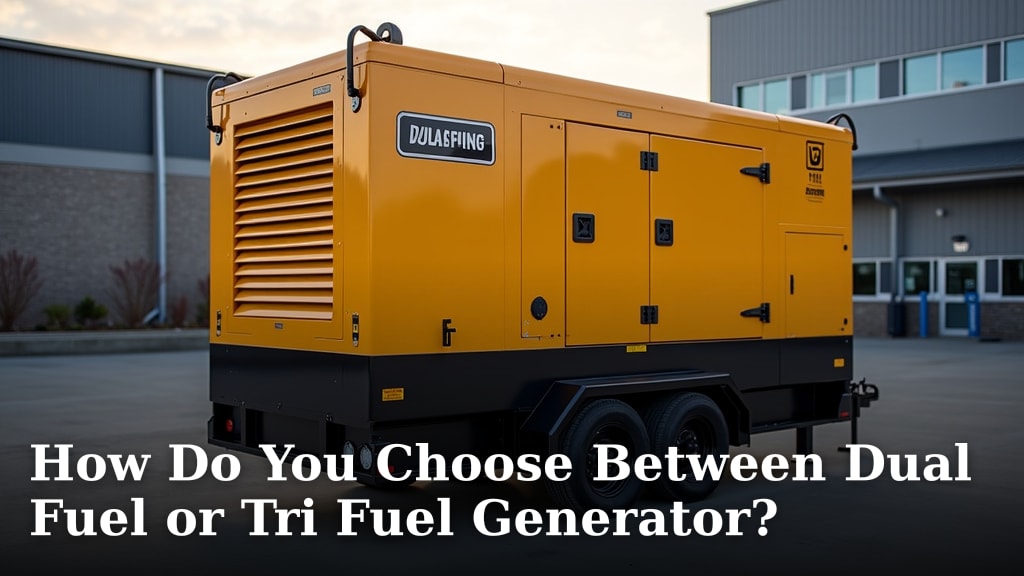
Choosing between a dual fuel or tri fuel generator depends on your specific needs, focusing on fuel availability and flexibility during power outages. Generally, a tri-fuel generator offers more versatility with three fuel options, while a dual-fuel model provides a simpler, yet still flexible, two-fuel solution.
Your decision often comes down to how much fuel source variety you want. We found that tri-fuel generators give you the ultimate peace of mind, letting you switch between natural gas, propane, and gasoline. Dual-fuel generators are an excellent middle ground, often running on gasoline and propane, which is very common and convenient for many homeowners.
- Tri-fuel offers maximum fuel flexibility (gasoline, propane, natural gas).
- Dual-fuel provides strong flexibility (gasoline, propane).
- Consider local fuel availability and storage.
- Think about run time and efficiency for each fuel type.
- Your specific needs will guide the best choice.
Let’s dive into the details and help you decide which generator is the perfect fit for your home.
Choosing Your Generator: Dual Fuel vs. Tri Fuel
Deciding between a dual fuel and tri fuel generator means looking at what fuels are handy for you. We’ll walk you through each type, helping you pick the best fit for your home’s backup power needs.
Understanding Dual Fuel Generators
Dual fuel generators give you two fuel options, usually gasoline and propane. This flexibility is a big plus during a power outage. You’re not stuck if one fuel type is hard to get.
How Dual Fuel Generators Work
These generators have a special engine that can switch between fuels. You often turn a knob or flip a switch to change from gasoline to propane. It’s usually pretty straightforward, designed for easy use when you need it most.
Pros of Dual Fuel Generators
- Flexibility: Having two fuel sources means more options during an emergency. If gasoline is scarce, you can use propane.
- Convenience: Propane can be stored for long periods without going bad, unlike gasoline. This is a huge advantage for emergency preparedness.
- Wider Availability: Dual fuel models are very common. You’ll find many options and price points when you’re shopping.
Cons of Dual Fuel Generators
- Fuel Storage: You still need to store gasoline safely, which has a limited shelf life.
- Refueling: Both gasoline and propane tanks need to be refilled or replaced. This can be inconvenient during extended outages.
- Cost: While often cheaper than tri fuel models, they can still be a significant investment.
Understanding Tri Fuel Generators
Tri fuel generators take flexibility up a notch. They typically run on gasoline, propane, and natural gas. This gives you the most choices for keeping your power on.
How Tri Fuel Generators Work
These generators are designed with a more complex fuel system. They can connect to a home’s natural gas line, providing a continuous fuel source. Switching between gasoline, propane, and natural gas is usually done with a selector. This design makes them very adaptable to different situations.
Pros of Tri Fuel Generators
- Ultimate Flexibility: Three fuel types mean you’re prepared for almost anything. Natural gas offers a virtually endless supply if your home is connected.
- Continuous Operation: With natural gas, you don’t need to refuel. This is incredibly helpful during long power outages. Many experts say this is a key benefit (National Grid).
- Clean Fuel: Natural gas burns cleaner than gasoline, which can mean less engine maintenance over time.
- Peace of Mind: Knowing you have multiple backup options brings great comfort, especially for those in areas prone to frequent outages.
Cons of Tri Fuel Generators
- Installation: Connecting to a natural gas line often requires professional installation. This adds to the initial cost.
- Higher Cost: Tri fuel generators are generally more expensive to buy upfront than dual fuel models.
- Natural Gas Dependency: If the main gas line is disrupted, you’ll still need gasoline or propane.
Key Factors for Your Decision
When you’re trying to choose, several things should come to mind. Think about your home, your area, and what really matters to you during a blackout.
Fuel Availability in Your Area
This is probably the most important consideration. Can you easily get gasoline and propane? Is your home already connected to a natural gas line? If natural gas isn’t an option, a tri fuel generator might not offer its full benefit.
Run Time and Fuel Efficiency
Each fuel type has different energy content. Gasoline generally offers a high power output but burns faster. Propane burns slower and is often more efficient. Natural gas, when connected, offers a continuous supply, but its BTU content can be lower, meaning you might need a slightly larger generator to get the same power output.
Storage and Safety Concerns
Gasoline needs careful storage and has a limited shelf life, often only a few months without stabilizers. Propane tanks need to be stored outdoors, away from ignition sources. Natural gas requires no storage on your part, which is a big advantage for safety and convenience.
Budget and Installation Costs
Dual fuel generators are typically less expensive upfront. Tri fuel generators cost more to buy and may require additional funds for professional natural gas line installation. Factor in these costs to your total budget.
Making Your Choice: A Quick Comparison
Let’s put it side-by-side. This table helps you see the differences at a glance, making your decision clearer.
| Feature | Dual Fuel Generator | Tri Fuel Generator |
|---|---|---|
| Fuel Types | Gasoline, Propane | Gasoline, Propane, Natural Gas |
| Fuel Flexibility | Good (2 options) | Excellent (3 options) |
| Continuous Operation | No (requires refueling) | Yes (with natural gas) |
| Upfront Cost | Lower | Higher |
| Installation | Simple (plug and play) | May require professional natural gas hookup |
| Fuel Storage | Requires gasoline and propane storage | Requires gasoline and propane storage (natural gas is direct) |
Your Personal Checklist for Deciding
To help you nail down your choice, go through these questions. Your answers will guide you to the perfect generator.
- Do you have a natural gas line at your home?
- How often do you experience power outages, and for how long?
- What’s your budget for the generator and any installation?
- Are you comfortable storing gasoline and propane?
- How important is the convenience of not having to refuel?
- What kind of power output do you need from your generator?
Final Considerations and Recommendations
Ultimately, the best choice is the one that fits your lifestyle and location. If you want maximum flexibility and continuous power without refueling, and you have a natural gas line, a tri fuel generator is often the winner. Many homeowners choose this for ultimate peace of mind.
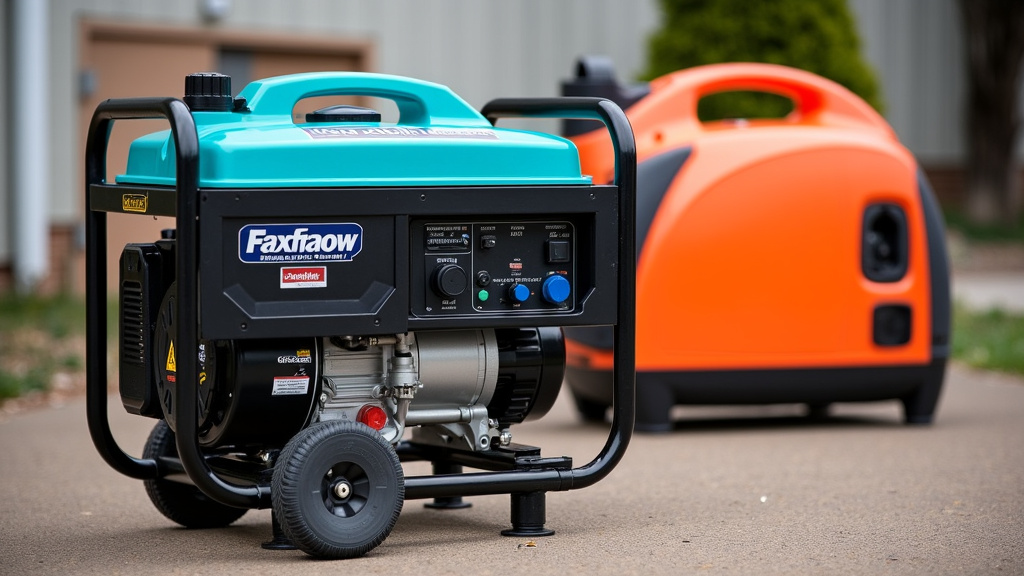
If you prefer a simpler setup with good flexibility and natural gas isn’t an option, a dual fuel generator is an excellent, practical choice. It gives you more options than a gasoline-only model without the added complexity of a natural gas hookup. Either way, you’re making a smart move towards being prepared.
Conclusion
Choosing between a dual fuel and tri fuel generator boils down to your specific priorities. If you have a natural gas line and want the most flexibility with continuous run time, a tri fuel model offers unmatched peace of mind. You’ll avoid constant refueling during long outages.
However, if natural gas isn’t available or you prefer a simpler, often more affordable option with good flexibility, a dual fuel generator is a fantastic choice. It provides more reliability than a single-fuel unit. Weigh your local fuel access, budget, and desired convenience to make the best decision for your home’s backup power needs.
Frequently Asked Questions
Is it difficult to convert a generator to tri fuel?
Converting a standard generator to tri fuel can be complex and typically requires a specialized conversion kit. We found that it’s often more straightforward and reliable to purchase a generator designed as tri fuel from the start. This ensures proper functionality and safety.
Can a tri fuel generator run on only one type of fuel, like just natural gas?
Yes, a tri fuel generator can run on just one fuel type, such as natural gas, propane, or gasoline, independently. The multi-fuel capability simply provides you with options. You can select the fuel that’s most convenient or available at the time.
Do dual fuel generators lose power when running on propane instead of gasoline?
Generally, dual fuel generators will have a slightly lower power output when running on propane compared to gasoline. Propane has a lower BTU (British Thermal Unit) content per gallon than gasoline. It’s a small difference, but something to be aware of when sizing your generator.
What maintenance is different for tri fuel generators compared to dual fuel?
The core maintenance for both types of generators, like oil changes and air filter checks, is similar. For tri fuel generators, you’ll also want to periodically check the natural gas line connection and ensure there are no leaks. Natural gas generally burns cleaner, which can sometimes reduce engine deposits.
Are there portable tri fuel generators, or are they mostly stationary?
You can find both portable and stationary (standby) tri fuel generators. Portable tri fuel models offer great versatility for camping or job sites where different fuels might be accessible. Stationary tri fuel generators are usually larger and integrate with your home’s natural gas line for automatic backup power.
