
What Is the Difference Between Dual Fuel or Tri Fuel Generator?
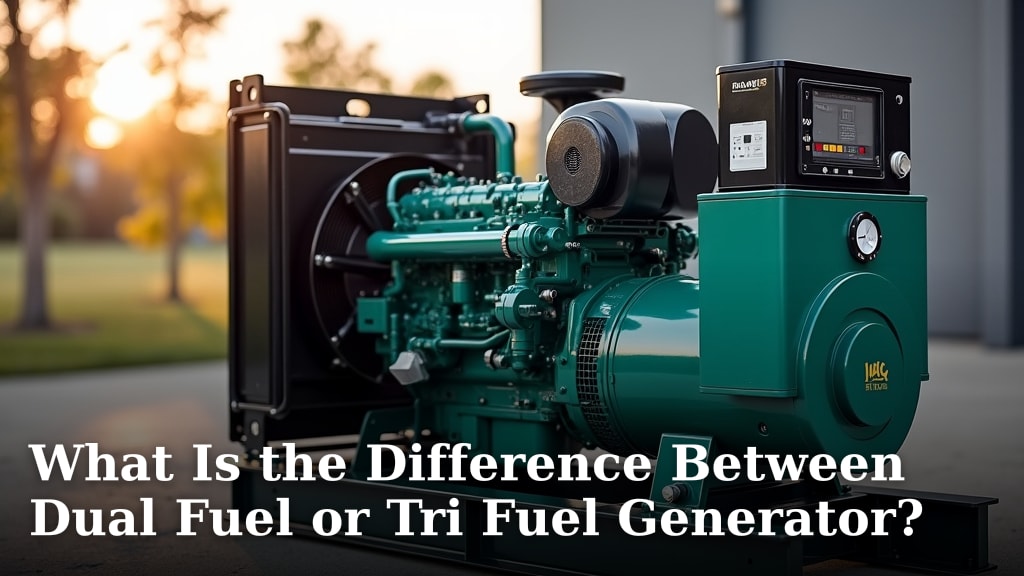
The main difference between a dual fuel and a tri fuel generator is the number of fuel types they can use. A dual fuel model uses two kinds of fuel, typically gasoline and propane. A tri fuel generator, on the other hand, can run on three different fuels, adding natural gas to the mix.
Choosing the right generator means understanding your power needs and available fuel sources. Each fuel type has its pros and cons regarding storage, cost, and run time. We found that flexibility is often key for emergency preparedness.
- Dual fuel generators use two fuel types.
- Tri fuel generators use three fuel types.
- Propane and natural gas offer longer storage than gasoline.
- Consider fuel availability in your area.
- Three fuel options provide greater versatility during outages.
Let’s walk through why these differences matter for your home or job site.
Understanding Generator Fuel Flexibility
You’re looking for a generator that fits your life. Maybe it’s for emergency power at home. Perhaps it’s for a busy job site. The key difference between dual fuel and tri fuel generators comes down to one thing: fuel versatility. This choice can impact how long your power lasts and how much you spend.
Dual Fuel Generators: Your Two-Fuel Powerhouse
A dual fuel generator offers you two options for power. We found most models use gasoline and propane. This combination gives you a solid balance of availability and storage convenience. Let’s look at why this matters for you.
Gasoline: The Common Choice
Gasoline is easy to find. You can just fill up a can at any gas station. It’s often the most affordable fuel per gallon. However, it has some drawbacks. The Environmental Protection Agency (EPA) highlights that gasoline has a relatively short shelf life, usually only 3-6 months. You need to rotate your supply and add stabilizers. It’s also flammable and emits fumes, so safe storage is crucial.
Propane: The Storable Backup
Propane brings excellent benefits to the table. It stores almost indefinitely. Think about those backyard barbecue tanks. This makes it ideal for long-term emergency preparedness. Propane burns cleaner than gasoline, which can mean less engine maintenance over time. While it might be a bit more expensive per unit of energy, the peace of mind from its stability is often worth it.
- Easily stored in tanks.
- Burns cleaner, less engine wear.
- Long shelf life, no stabilizers needed.
- Can be pricier than gasoline.
Tri Fuel Generators: The Ultimate Adaptation
Stepping up to a tri fuel generator gives you an extra layer of security. These models add natural gas capability alongside gasoline and propane. This third option can be a game-changer for many users. We found this setup really shines when you need extended run times during an outage.
Natural Gas: Your Piped-In Power
Natural gas is delivered directly to your home via a pipeline. This means you have an “unlimited” fuel supply during an outage, as long as the gas lines are intact. No need to store tanks or cans. This offers incredible convenience and removes the worry of running out of fuel. It’s also typically the most cost-effective fuel if you’re already connected to a natural gas line.
However, installation can be a bit more involved. You might need a professional to tap into your home’s natural gas line. Also, if there’s a major disaster, natural gas lines can be compromised, leaving you without that “unlimited” supply. It’s wise to have backup plans.
The Power of Three: Why It Matters
Imagine a long power outage. With a tri fuel generator, you start on natural gas for continuous power. If the gas line breaks, you switch to propane. If you run low on propane, you can always fall back on gasoline. This layered approach provides unmatched reliability. It’s like having three spare tires instead of just one.
Comparing Fuel Types: An At-a-Glance Guide
Let’s break down the main characteristics of each fuel type. This will help you see the pros and cons clearly. We put together this table to make your decision easier.
| Fuel Type | Pros | Cons | Storage |
|---|---|---|---|
| Gasoline | Widely available, often cheapest. | Short shelf life (3-6 months), fumes, flammable. | Cans, fuel stabilizers needed. |
| Propane | Long shelf life, clean burning, stable. | Requires tanks, slightly less efficient than gas. | Tanks (20lb to 100lb or more). |
| Natural Gas | “Unlimited” supply (piped), very cost-effective. | Requires gas line connection, lower BTU/volume. | Direct from utility pipeline. |
Performance Differences You Should Know
It’s not just about what fuel they use. The type of fuel can also affect your generator’s performance. You might notice differences in power output and run time. We want you to be fully prepared.
Power Output: BTUs and Kilowatts
Generators often deliver slightly different power outputs depending on the fuel. Natural gas has a lower BTU (British Thermal Unit) content per unit of volume compared to gasoline or propane. This means your generator might produce about 10-20% less power when running on natural gas. For instance, a generator rated at 9000 watts on gasoline might only give you 7000-8000 watts on natural gas.
Propane generally offers power output closer to gasoline, but still often a bit lower. Always check the specifications plate on the generator. It will list the wattage for each fuel type. Make sure the lowest output still meets your essential needs.
Run Time: How Long Will It Last?
Run time depends heavily on fuel consumption and storage capacity. With gasoline, your run time is limited by how many fuel cans you’ve stored. Propane offers longer run times per tank than gasoline, given typical tank sizes, and the tanks are easy to swap out. Natural gas offers potentially indefinite run times if your utility remains active.
Think about your longest expected power outage. Do you want to be running to the gas station every few hours? Or would you prefer a set-it-and-forget-it solution? Your answers will guide your choice.
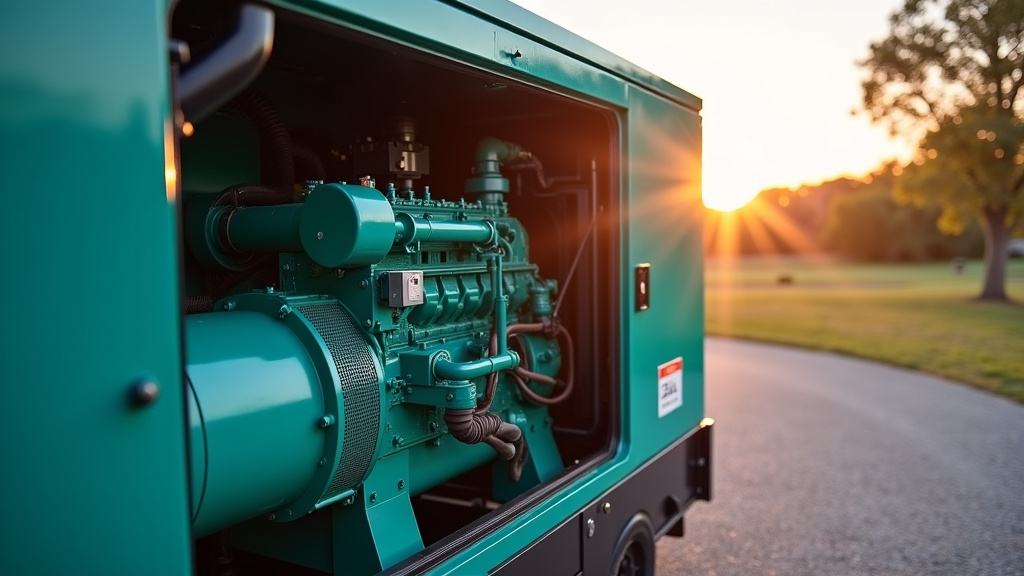
Choosing the Right Generator for Your Needs
So, how do you decide what’s best for you? It boils down to a few key considerations. We help many people weigh these options every day.
Assess Your Fuel Availability
Do you have access to a natural gas line at your home or job site? If not, a tri fuel generator might not offer its full advantage. If you live in a rural area, propane delivery might be more reliable than constant trips for gasoline. The proximity of fuel sources is a big factor.
Consider Your Budget and Installation
Tri fuel generators often cost more upfront than dual fuel models. The additional cost might be justified for enhanced flexibility. Remember the potential installation costs for natural gas hookups. We found it’s important to look at the total cost of ownership, not just the purchase price.
Think About Maintenance and Storage
Gasoline requires more attention for storage to prevent engine issues. Propane and natural gas are much easier on your engine and require less prep for storage. Regular maintenance is important for any generator, but fuel choice can influence the type and frequency of some tasks. The American Society of Heating, Refrigerating and Air-Conditioning Engineers (ASHRAE) provides many guidelines on fuel system care.
What’s Your Preparedness Philosophy?
Are you preparing for short-term outages or potentially multi-day events? For quick interruptions, a dual fuel might be enough. For maximum peace of mind during extended crises, a tri fuel model gives you more fail-safes. It’s about building a robust power strategy.
Your Generator Checklist:
- What are your essential power needs (lights, fridge, well pump)?
- How long do you anticipate needing emergency power?
- Which fuels are readily available and easily stored in your area?
- What’s your total budget, including installation?
- Are you comfortable with gasoline storage and rotation?
- Do you live where natural gas lines are typically resilient?
Conclusion
Deciding between a dual fuel and tri fuel generator boils down to your specific needs, budget, and desired level of preparedness. You’ve seen that while dual fuel models offer a great balance of versatility with gasoline and propane, tri fuel generators provide the ultimate flexibility by adding natural gas into the mix. We encourage you to carefully evaluate your potential fuel sources and power demands.
Choose the generator that best aligns with your local resources and peace of mind. Investing in the right generator means you’ll be ready for any outage, big or small. Make your selection confidently, knowing you’ve considered all the options.
Frequently Asked Questions
Is a tri fuel generator more efficient than a dual fuel generator?
Not necessarily in terms of fuel consumption. Efficiency often depends on the specific generator model and the fuel type being used. Natural gas typically offers a lower BTU output compared to gasoline or propane, meaning the generator might produce slightly less power on natural gas.
Can I convert a dual fuel generator to a tri fuel generator?
It is sometimes possible to convert a dual fuel generator to a tri fuel model with a conversion kit. However, this often requires professional installation and may void your generator’s warranty. Always check with the manufacturer before attempting any modifications to ensure safety and proper operation.
Which fuel type provides the longest run time for a generator?
Natural gas offers potentially indefinite run times if your home is connected to an active utility line during an outage. For portable solutions, propane tanks generally provide longer run times per tank than standard gasoline tanks, especially since propane can be stored in larger quantities.
Are tri fuel generators significantly more expensive?
Generally, yes, tri fuel generators tend to have a higher upfront cost than comparable dual fuel models. This is due to the added components required for natural gas compatibility. However, consider the long-term savings if you frequently use the more affordable natural gas option.
What are the main safety considerations for storing each fuel type?
Gasoline requires careful storage in approved containers due to its flammability and fumes. Propane, while safer to store long-term, needs to be kept in well-ventilated areas away from ignition sources. Natural gas is delivered via pipeline, eliminating storage concerns at your location, but gas line safety is paramount.
