
What Is the Difference Between Propane or Gasoline for a Dual Fuel Generator?
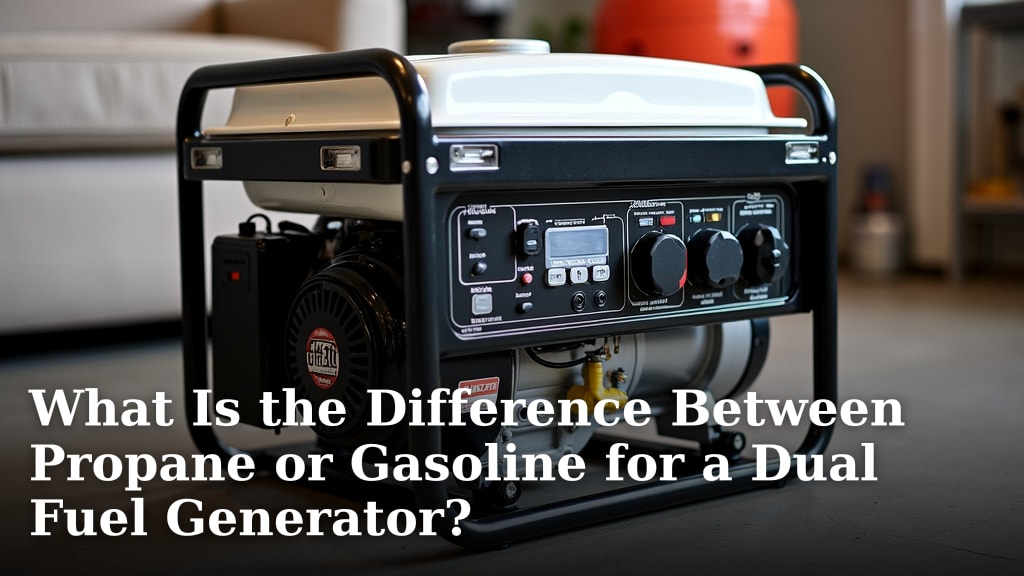
When comparing propane or gasoline for a dual fuel generator, the main difference lies in fuel efficiency and storage. Gasoline offers more power per gallon but degrades over time. Propane burns cleaner and stores for years, but it’s less energy-dense.
Choosing between them often depends on your specific needs and priorities. Do you prioritize raw power, or longer storage and easier maintenance? We found that both fuels have distinct advantages for various scenarios. Thinking about standby power, or portable use, can guide your decision.
- Gasoline offers more power.
- Propane stores longer, burns cleaner.
- Gasoline degrades quickly.
- Propane requires large tanks.
- Consider power needs and storage.
Let’s walk through everything you need to know about these fuel types for your dual fuel generator. We’ll help you pick the best option for your home or outdoor adventures.
Choosing Your Fuel: Propane vs. Gasoline for Dual Fuel Generators
When you have a dual-fuel generator, you have a fantastic choice: run it on either propane or gasoline. This flexibility is a huge advantage, but it also brings up the question of which fuel is truly better for your situation. Let’s break down the key differences between these two common fuels so you can make an informed decision for your power needs.
Understanding Gasoline: Power and Accessibility
Gasoline is likely the fuel you’re most familiar with. It powers most cars and many small engines. For generators, it offers a strong punch.
The Advantages of Using Gasoline
You’ll find that gasoline is readily available almost everywhere. Gas stations are abundant, making it easy to refuel. We found it’s your go-to fuel for quick power needs.
- Higher Energy Density: Gasoline packs more energy per gallon than propane. This means you’ll get more power output from your generator using gasoline, and it will often run longer on a given volume of fuel compared to propane. For heavy-duty tasks or when you need maximum wattage, gasoline can be the better choice.
- Widespread Availability: Need fuel in a hurry? Gasoline is everywhere. This makes it super convenient for unexpected outages or when you’re traveling. You won’t have to search far to find a gas station.
The Disadvantages of Using Gasoline
While convenient, gasoline comes with its own set of drawbacks. You need to be aware of these before making it your primary fuel.
- Short Shelf Life: Gasoline degrades surprisingly fast. Over time, it can separate and become unusable, often within just a few months (Department of Energy). This means you can’t really “stock up” on gasoline for long-term emergency preparedness without using fuel stabilizers.
- Maintenance Issues: Old or stale gasoline can gum up your generator’s carburetor and fuel lines. This leads to costly repairs and frustration. You’ll need to drain the fuel system if it’s going to sit for a while.
- Storage Concerns: Storing gasoline requires extreme caution. It’s highly flammable and emits vapors that can be dangerous. You must use approved containers and store it in a well-ventilated area, away from ignition sources.
- Environmental Impact: Gasoline combustion produces more emissions and has a stronger odor. This can be a concern if you’re sensitive to smells or conscious of your carbon footprint.
So, if you need immediate, high-power performance and easy access to fuel for short-term use, gasoline is fantastic. But if you’re thinking about long-term storage or cleaner operation, you might want to look at propane.
Exploring Propane: Cleanliness and Longevity
Propane, also known as LP gas, is often favored for its stability and clean-burning properties. Many campers and outdoor enthusiasts prefer it.
The Advantages of Using Propane
Propane offers several compelling benefits, especially for emergency preparedness and ease of use. It solves many of the problems gasoline presents.
- Longer Shelf Life: Propane virtually never goes bad. You can store propane tanks for years, even decades, without worrying about the fuel degrading. This makes it an ideal choice for emergency backup power where you might not use your generator often. You can confidently store it and know it will be ready when you are.
- Cleaner Burning: Your generator will thank you! Propane burns much cleaner than gasoline, producing fewer harmful emissions and less carbon buildup in the engine. This means less maintenance, longer engine life, and fewer noxious fumes.
- Easier Storage: Propane is stored in sealed tanks, eliminating concerns about spills or fuel degradation from exposure to air. While still flammable, the contained nature of propane tanks makes storage safer than gasoline cans. You just need to keep them upright and in a safe location.
- Safer to Handle: Because it’s stored in sealed containers, there’s less risk of spills or vapors escaping compared to gasoline. This contributes to a safer overall experience when refueling or moving fuel.
The Disadvantages of Using Propane
Despite its many upsides, propane isn’t without its challenges. You need to plan a bit more when relying on it.
- Lower Energy Density: This is the flip side of gasoline. Propane has less energy per gallon, meaning you’ll generally get a lower power output from your generator and it will consume more fuel to produce the same amount of electricity. You might need more propane to run your appliances as long as you would with gasoline.
- Bulky Storage Tanks: To store ample propane, you need larger, heavier tanks compared to the equivalent energy in gasoline. Think about those 20-pound BBQ tanks – you might need several of them for extended power outages. Transporting these can be a chore.
- Refueling Limitations: You can’t just pull up to any gas station to fill a propane tank. You often need to visit specialized dealers or exchange services. This can be less convenient, especially in a widespread power outage when those services might be overwhelmed or closed.
- Cold Weather Performance: In very cold temperatures, propane can struggle to vaporize efficiently. This can make starting and running your generator trickier. We found it often needs a warmer environment to operate optimally.
Propane is a fantastic choice for long-term storage, cleaner operation, and reducing engine wear. But be prepared for lower power output and the logistics of tank storage and refills.
Head-to-Head Comparison: Gasoline vs. Propane
To help you visualize the differences, let’s put them side-by-side. This table summarizes the key points you should consider.
| Feature | Gasoline | Propane |
|---|---|---|
| Energy Density / Power Output | Higher (more power per gallon) | Lower (less power per gallon) |
| Shelf Life | Short (3-6 months without stabilizer) | Indefinite (years) |
| Storage | Flammable liquid, ventilation needed, specialized cans | Pressurized tanks, generally safer, bulkier |
| Emissions / Cleanliness | Higher emissions, more carbon buildup | Lower emissions, cleaner burn |
| Availability | Very High (gas stations everywhere) | Moderate (refill/exchange stations) |
| Cost | Varies, often fluctuating | Varies, can be more expensive per equivalent energy unit |
| Maintenance Impact | More frequent carburetor cleaning | Less engine maintenance |
Choosing the Right Fuel for Your Needs
The “best” fuel really depends on your specific situation. There’s no one-size-fits-all answer. Think about how you’ll use your dual fuel generator most often.
Consider Your Primary Use Case
Are you using it for power outages, camping, or job sites? Each scenario might lean toward a different fuel.
- Emergency Backup Power: For infrequent emergencies, propane often shines. You can store tanks for years without worry. When a storm hits, your fuel will be ready.
- Frequent Use / Job Sites: If you’re running your generator regularly, like on a construction site, gasoline’s higher energy density and easy access at gas stations might be more practical. You’re using it up fast, so shelf life isn’t an issue.
- Recreational Use (Camping, RVs): Propane is a popular choice for these uses due to its clean burn and easy storage in standard RV or grill tanks. No sticky gasoline smell in your precious outdoor gear!
Power Requirements and Run Time
How much power do you actually need? And for how long?
If you’re powering a few critical appliances during a short outage (lights, fridge), propane might be perfectly sufficient. If you need to run your entire house for days, you might prefer gasoline for its efficiency or be prepared with many propane tanks.
Making an Informed Decision: A Quick Checklist
Before you commit to one fuel type over the other, run through these questions. They’ll help you pinpoint your priorities.
- Will I need to store fuel for long periods?
- How often do I plan to use my generator?
- Is maximum power output my biggest concern?
- How important is clean-burning fuel to me?
- What are the local fuel availability options in my area?
- Am I comfortable handling and storing flammable liquids or pressurized tanks?
By thinking about these points, you can align your fuel choice with your generator usage and personal preferences. Remember, the beauty of a dual fuel generator is that you always have the option to switch if your needs change!
Conclusion
Choosing between propane and gasoline for your dual fuel generator truly comes down to your personal priorities. We found that if you prioritize ease of long-term storage and a cleaner burn for less maintenance, propane is often your go-to hero. However, if raw power output and easy, everyday refueling are at the top of your list, then gasoline delivers a stronger punch.
Remember the flexibility your dual fuel generator offers. Consider your typical use scenarios and storage capabilities. Take this insight and confidently select the fuel that best powers your life, whether for emergencies or recreation.
Frequently Asked Questions
Can I switch between propane and gasoline while the generator is running?
No, it’s generally not recommended to switch fuels while your generator is actively running. You should always shut down the generator, switch the fuel source, and then restart it. This prevents potential damage to the engine and ensures safe operation.
Does one fuel type make the generator louder than the other?
We found that the noise level of a dual fuel generator is primarily determined by its design and power output, not usually by the fuel type. While propane burns cleaner, it typically won’t make a noticeable difference in the generator’s sound compared to gasoline.
Is one fuel type more expensive than the other for generators?
The cost per unit of energy can vary. Gasoline might seem cheaper per gallon, but propane often offers more stable pricing over time and doesn’t degrade. You’ll need to compare local prices and consider equivalent energy output for the true cost.
How does altitude affect propane versus gasoline performance in a dual fuel generator?
At higher altitudes, both fuels can experience some performance reduction due to thinner air. However, propane can sometimes be more affected in very cold, high-altitude conditions due to its vaporization point. Gasoline usually fares slightly better in those specific scenarios.
Can I convert a single-fuel generator to a dual fuel model?
Yes, conversion kits are available to modify some gasoline-only generators to also run on propane. However, this often requires professional installation and can void your generator’s warranty. Research and found it’s important to weigh the cost and potential risks before attempting a conversion.
