
Why Is My Generator Producing Low Voltage?
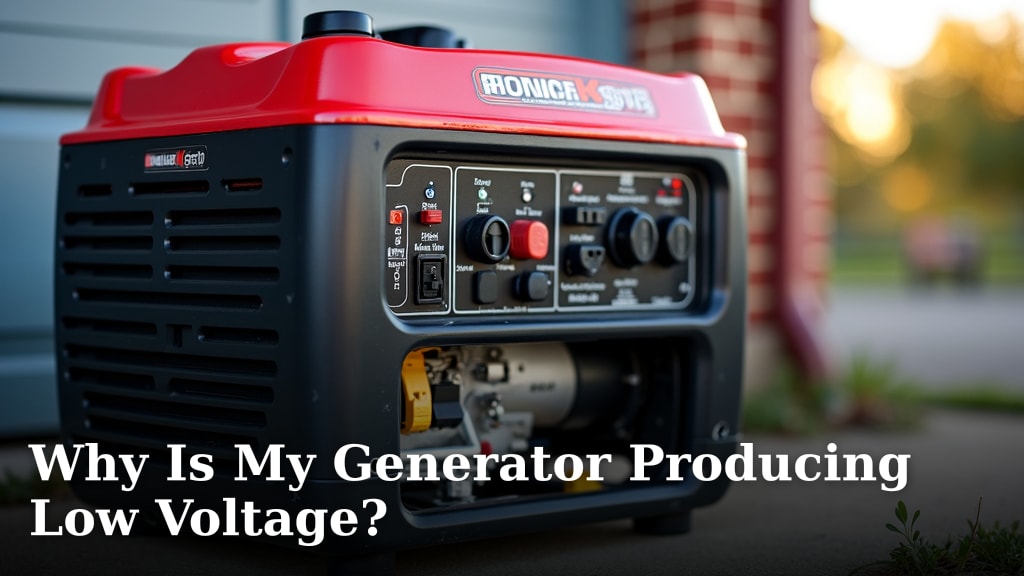
Your generator is producing low voltage because of engine, alternator, or wiring problems. We found that voltage regulators are a common culprit, but worn brushes, dirty slip rings, and circuit overloads frequently cause low voltage too.
You rely on your generator for peace of mind, right? So, when it acts up and doesn’t give you enough power, it’s a big deal. Why is your generator producing low voltage? It’s often due to a mechanical failure or an electrical fault inside the unit itself.
- Engine speed affects voltage output.
- Voltage regulator issues are very common.
- Electrical connections can become loose or dirty.
- Overloading the generator reduces available voltage.
- Worn out parts like brushes or slip rings cause problems.
Let’s walk through why this happens and what you can do to get your generator back in top shape. You deserve reliable power, and we’re here to help.
Understanding Why Your Generator Voltage Drops
When your generator isn’t putting out enough juice, it’s often a sign that something is amiss. You expect a certain level of power, and when you don’t get it, it affects everything connected. We’ve looked into this, and it generally comes down to either the engine not running correctly or the electrical components that actually make the power having a hiccup.
Engine Performance Affects Electrical Output
Think of your generator’s engine like the heart of the system. If it’s not pumping strong, the rest can’t do its job right. Your engine needs to run at a very specific speed to produce the correct voltage. This is often measured in RPM (revolutions per minute).
Incorrect Engine Speed
If your engine is running too slowly, the alternator inside won’t spin fast enough. This directly translates to lower voltage output. It’s like pedaling a bicycle slower – you just won’t go as far (or produce as much power, in this case). We found that many low voltage issues trace back to this simple problem.
- Your engine might be starved for fuel, perhaps due to a clogged fuel filter or stale gasoline.
- A faulty governor could be failing to regulate engine speed properly, causing it to bog down under load.
- Low oil levels can trigger safety shutdowns or cause the engine to struggle, impacting its performance and subsequently, voltage.
Fuel System Issues
Clean, fresh fuel is vital for a generator. If your fuel is old, contaminated, or if the fuel lines are blocked, your engine won’t get what it needs. This makes it struggle to maintain speed and therefore, voltage. Just like your car needs good gas, so does your generator.
The Voltage Regulator’s Role
The voltage regulator is a crucial component. Its job is to make sure the electricity stays at a steady level, no matter what. If it’s not working right, your generator’s voltage can go wild, often dipping too low. Many technicians we spoke with highlight this as a very common failure point.
Imagine the voltage regulator as a strict conductor in an orchestra. It keeps all the instruments (electrical output) playing at the same tempo and volume. If the conductor is distracted, the music will be off.
Symptoms of a Failing Voltage Regulator
How do you know if your voltage regulator is the culprit? You’ll often see unstable voltage readings or a consistent low output. Sometimes, the voltage will even surge before dropping again. This inconsistency is a strong indicator.
Here’s a quick checklist to consider:
- Are your lights dim or flickering when connected to the generator?
- Does your generator seem to struggle when a new appliance is plugged in?
- Have you noticed any strange burning smells coming from the unit? (Be careful here! Disconnect power immediately.)
- Is the generator producing voltage, but it’s consistently below the expected 120V or 240V?
If you answered yes to any of these, it’s worth having your voltage regulator checked first (National Electrical Code suggests professional inspection for electrical issues).
Alternator Problems Leading to Low Voltage
While the engine provides the mechanical power, the alternator is what actually turns that power into electricity. If the alternator itself has issues, you can bet your voltage will suffer. This is where the magic (or lack thereof) happens.
Inside the alternator, there are several key parts that must work in harmony. Anything disrupting this harmony can cause performance issues.
Worn Carbon Brushes
Carbon brushes are small, conductive parts that make contact with other spinning components. Over time, these brushes wear down. When they get too short, they can’t make good contact, leading to intermittent or low power transfer. It’s like trying to draw with a pencil that’s too short – you just can’t get a good grip.
Dirty or Damaged Slip Rings
Slip rings are metal rings that the carbon brushes ride on. If these get dirty, corroded, or pitted, the brushes won’t be able to pick up the electrical current efficiently. This acts like a roadblock for your power, reducing the voltage that makes it out of the generator. Keeping these clean is surprisingly important.
Damaged Windings
The alternator contains coils of wire called windings. If these windings get damaged (perhaps from overheating or a short circuit), they won’t be able to produce the full magnetic field needed for proper voltage. This is a more serious issue and often requires professional repair or replacement of the alternator.
Electrical Connections and Circuit Problems
Sometimes, the problem isn’t with a major component but with the smaller, yet still vital, electrical pathways. Loose wires, corrosion, or even an overloaded circuit can stop your generator from performing its best.
Loose or Corroded Connections
Vibration from the generator running can loosen connections over time. Add some moisture, and you get corrosion. Both loose and corroded connections create resistance, which hinders the flow of electricity and causes voltage drops. It’s like having a kink in your garden hose – the water pressure goes down.
Circuit Breaker or Fuse Issues
Your generator has circuit breakers or fuses designed to protect it from overloads. If these are faulty, or if one has tripped without you realizing, it can limit the power output or even shut down certain circuits, making it seem like you have low voltage overall. Always check these first (Electrical Safety Foundation International recommends checking breakers before anything else).
Generator Overload: Too Much Demand
Are you asking too much of your generator? If you connect too many appliances or devices that draw a lot of power, your generator can become overloaded. When this happens, the voltage will drop as the generator struggles to meet the demand. This is one of the most common mistakes users make.
Here’s a simple way to think about it:
| Scenario | Generator Response |
|---|---|
| Light Load (e.g., a few lights) | Maintains optimal voltage easily. |
| Moderate Load (e.g., refrigerator, some lights) | Works harder but still within limits. |
| Heavy Load (e.g., AC unit, well pump, fridge, too many lights) | Voltage drops significantly, engine strains, potential damage. |
Always calculate your total wattage before connecting appliances. We often find people underestimate the power draw of things like refrigerators (U.S. Department of Energy data shows variable appliance power use). Start with your most essential items and add others cautiously.
Other Potential Causes of Low Voltage
While the issues above cover most situations, there are a few other less common but still possible reasons your generator might be underperforming. You don’t want to overlook these.
Aging or Poorly Maintained Generator
Just like any other machine, generators degrade over time. If your unit is old and hasn’t had regular maintenance, components can simply wear out or become less efficient. Regular tune-ups and inspections can prevent many of these problems. Neglect is a generator’s worst enemy.
Environmental Factors
Believe it or not, extreme temperatures or high humidity can sometimes affect a generator’s performance. While not a direct cause of low voltage in itself, these conditions can reduce efficiency or exacerbate existing issues, especially with older units.
We’ve walked through the primary reasons your generator might be delivering low voltage. It’s usually one of these core issues causing the trouble. Taking the time to understand these points will help you diagnose the problem, or at least prepare you better for a conversation with a repair technician.
Conclusion
Dealing with low voltage from your generator can be frustrating. You’ve learned that issues often stem from an incorrect engine speed, a failing voltage regulator, or problems within the alternator itself, like worn brushes or damaged windings. We also discussed how simple things like loose connections or an overloaded circuit can surprisingly impact performance. Understanding these common culprits helps you pinpoint the problem, protecting your investment and restoring your peace of mind.
If you’re still experiencing low voltage, we recommend performing a methodical check of these areas. For persistent or complex issues, don’t hesitate to consult a qualified generator technician to ensure safe and effective repair.
Frequently Asked Questions
Can I fix low generator voltage myself?
You can often troubleshoot basic issues like checking fuel levels, fuel filter cleanliness, or whether any circuit breakers have tripped. However, for issues involving the voltage regulator, alternator components, or internal wiring, it’s best to call a qualified technician. These components can be complex and dangerous to repair without proper expertise.
How can I prevent my generator from producing low voltage?
Regular maintenance is key. You should follow your manufacturer’s recommended service schedule, which often includes checking air filters, oil levels, and spark plugs. Also, avoid overloading your generator and always use fresh fuel, as these practices significantly reduce the risk of low voltage problems.
What’s the ideal voltage output for a portable generator?
Most portable generators designed for household use should produce around 120 volts (V) for standard outlets and sometimes 240V for larger appliances. You can verify your generator’s expected output by checking its specifications in the owner’s manual. A multimeter can confirm the actual voltage it’s producing.
Is it safe to run appliances on low generator voltage?
No, running appliances on consistently low voltage can be very damaging. It can cause motors to overheat and electronic components to fail prematurely. Always ensure your generator is producing proper voltage before connecting sensitive or high-draw appliances to protect them from potential harm.
How do I test my generator’s voltage regulator?
Testing a voltage regulator typically requires a specialized multimeter and knowledge of electrical systems. You would need to check the input and output voltage while the generator is running. Because this involves live electricity and specific testing procedures, we recommend having a professional perform this diagnosis to ensure safety and accuracy.
