
Why Is My Dual Fuel Generator Not Starting on Gasoline?
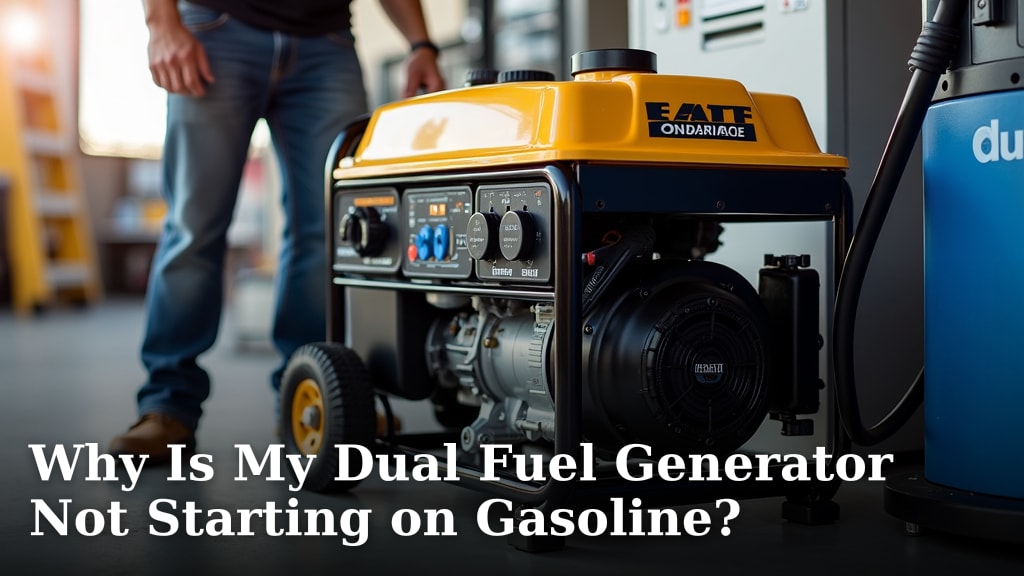
Your dual fuel generator is not starting on gasoline most likely because of issues with the fuel system, ignition, or carburetor. We find that stale gasoline is often the biggest culprit. It’s a common problem with generators that sit unused.
You bought a dual-fuel generator for its flexibility. Now you’re staring at it, and it won’t fire up on gasoline. Don’t worry; it’s a fixable issue. We found that checking a few key areas will often get your generator humming again, saving you from a dim situation.
- Stale gasoline or a clogged fuel filter can stop it cold.
- A dirty spark plug or weak ignition coil will prevent starting.
- Carburetor problems, especially sticky components, are frequent.
- The fuel valve might be closed or the fuel line blocked.
- Low oil levels can also trigger a safety shutdown.
Let’s walk through common reasons why your generator isn’t starting on gasoline and some simple troubleshooting steps you can take.
What to Do When Your Dual Fuel Generator Isn’t Starting on Gasoline
When your dual fuel generator won’t start on gasoline, it often boils down to a few common issues: fuel quality, carburetor clogs, or spark plug problems. Tackling these areas first will likely solve the problem.
The Fuel System: Your First Stop
The fuel system is the most frequent source of problems for gasoline engines, especially those that sit unused. Remember, gasoline is a perishable item, and it doesn’t age gracefully.
Old or Stale Gasoline
This is probably the most common culprit when your generator won’t start. Gasoline begins to degrade quickly, especially if it sits in the tank for more than a month. As it breaks down, it can leave behind a sticky, varnish-like residue that clogs fuel lines and carburetors. You might notice a sour or paint thinner smell. This isn’t just unpleasant; it’s a sign of bad fuel. We find that many generator owners underestimate how fast gasoline can go bad.
- Solution: Drain all the old gasoline from the tank and fuel lines. You should then replace it with fresh, high-octane fuel. Consider adding a fuel stabilizer if you plan to store the generator for more than a few weeks.
Clogged Fuel Filter
Even with fresh gasoline, debris can build up in the fuel filter. This prevents enough gas from reaching the engine. Think of it like trying to drink a thick milkshake through a tiny, blocked straw.
- Solution: Locate your generator’s fuel filter. It looks like a small canister or screen often found between the fuel tank and the carburetor. Remove it and check for visible clogs. If it looks dirty or you can’t see through it, replace it. Many manuals suggest checking this annually.
Fuel Valve or Petcock Issues
Sometimes the solution is incredibly simple. Is the fuel valve open? On many generators, there’s a small lever or knob that controls the flow of gasoline from the tank. If it’s closed, no fuel gets to the engine. It’s easy to overlook this!
- Solution: Double-check that the fuel valve is in the “on” or “open” position. It’s a quick check that can save you a lot of headache.
Blocked Fuel Line
Over time, bits of sediment, old fuel residue, or even spiderwebs can block a fuel line. This reduces or completely stops the flow of gas. If the fuel filter is clear but no fuel reaches the carburetor, a blocked line is a possibility.
- Solution: Carefully inspect the fuel lines for kinks or obvious blockages. You might need to disconnect a line and check for fuel flow. If a line is blocked, you may need to clear it or replace it.
The Ignition System: Getting That Spark
Even with perfect fuel, a generator needs a strong spark to ignite the air-fuel mixture. Problems here are less common than fuel issues, but still very important to check.
Dirty or Fouled Spark Plug
A spark plug is like the heart of your ignition system. If it’s dirty, covered in carbon, or damaged, it can’t create the strong spark needed to start the engine. A weak spark might cause it to crank but not fire.
- Solution: Remove the spark plug using a spark plug wrench. Inspect it. Is it black, oily, or cracked? Clean it with a wire brush or replace it with a new one. Ensure the gap is set correctly according to your generator’s manual. A correctly gapped plug provides the best spark.
Bad Spark Plug Wire or Ignition Coil
The spark plug wire connects the ignition coil to the spark plug. If this wire is frayed or damaged, the spark can’t reach the plug effectively. Similarly, a faulty ignition coil won’t generate enough voltage for a strong spark.
- Solution: Check the spark plug wire for any visible damage. If you suspect an issue with the coil, you’ll need a spark tester to confirm it’s delivering a strong spark. Replacing an ignition coil is a more involved repair, often best left to a professional if you’re not comfortable.
The Carburetor: The Mixing Chamber
The carburetor is where fuel and air mix in the right proportions. It’s often the second most common problem area after stale fuel. It’s especially sensitive to clogs from old, degraded gasoline.
Clogged Carburetor Jets
When gasoline goes bad, it leaves behind gummy deposits that can clog tiny passages and jets inside the carburetor. These jets are crucial for metering the correct amount of fuel into the engine. When they’re clogged, the engine either gets too little fuel or an incorrect mixture, preventing it from starting.
- Solution: This is often a more complex fix. You might try adding a high-quality fuel system cleaner to fresh fuel and letting it sit for a while, hoping it dissolves the clogs. However, often the carburetor needs to be disassembled and manually cleaned. This involves removing jets and passages and spraying them with carburetor cleaner. (Cleveland Clinic)
Float Bowl Issues
The float bowl in the carburetor holds a small reservoir of fuel. A stuck float or a leaky needle valve can cause either too much or too little fuel to enter the carb. If there’s no fuel in the bowl, the engine won’t start.
- Solution: You’ll need to remove the float bowl (often at the bottom of the carburetor) and inspect the float and needle valve. Ensure they move freely and aren’t gunked up. This is usually done during a full carburetor cleaning.
Other Common Reasons and Checks
Beyond the fuel, ignition, and carburetor systems, a few other things can prevent your generator from starting on gasoline.
Low Oil Shutdown
Many generators have a safety feature that prevents them from starting if the oil level is too low. This protects the engine from severe damage. It’s a good feature, but it can be frustrating if you don’t know it exists!
- Solution: Check your generator’s oil dipstick. If the oil level is below the recommended mark, add the correct type and amount of oil. This might be all it takes to get it running.
Engine Kill Switch or Breaker
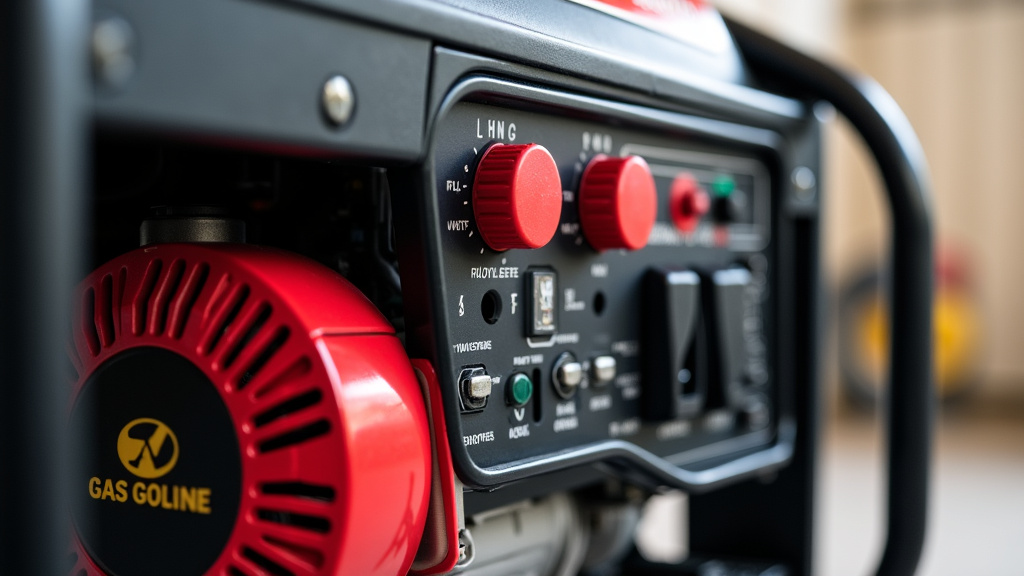
Is the kill switch in the “run” position? Is the circuit breaker tripped? These simple checks are often overlooked in the panic of a non-starting machine. It’s worth a quick look.
- Solution: Ensure any kill switches are in the “on” or “run” position. Check the generator’s circuit breaker to make sure it hasn’t tripped.
Quick Troubleshooting Checklist for No-Start on Gasoline
When your generator is giving you trouble, a systematic approach can save you time and frustration. Here’s a quick sequence of checks we recommend.
- Is the fuel valve open? This is a super simple one, but it happens.
- Is the gasoline fresh? If it smells bad or is older than a month, drain and replace it.
- Is the oil level full? Low oil will prevent starting as a safety measure.
- Is the spark plug clean and functional? Remove it, clean it, or replace it if necessary.
- Is the fuel filter clear? Check for clogs and replace if it looks dirty.
- Have you tried choke? Ensure the choke is set correctly for a cold start.
| Problem Area | Common Cause | Quick Fix/Check |
|---|---|---|
| Fuel | Stale gasoline | Drain and refill with fresh fuel. |
| Fuel | Clogged fuel filter | Replace fuel filter. |
| Fuel | Closed fuel valve | Open fuel valve. |
| Ignition | Dirty spark plug | Clean or replace spark plug. |
| Oil | Low oil level | Add oil to proper level. |
| Carb | Clogged carburetor | Try fuel cleaner; professional cleaning often needed. |
When to Call a Professional
If you’ve gone through all these steps and your generator still won’t start on gasoline, it might be time to call in a professional. Some repairs, like extensive carburetor rebuilds or electrical diagnostics, require specialized tools and expertise. Don’t feel bad about this; knowing when to get help is part of smart ownership.
- You’ve checked everything above multiple times.
- You’re uncomfortable disassembling parts like the carburetor.
- The generator makes strange noises when you try to start it.
- You suspect a major electrical issue.
Conclusion
Dealing with a dual fuel generator that won’t start on gasoline can be frustrating, especially when you need it most. We’ve walked through the most common culprits, from stale gasoline and clogged filters to dirty spark plugs and carburetor issues. Remember, a systematic approach to troubleshooting will save you time and stress. Prioritize fuel cleanliness and proper maintenance to keep your generator ready.
If you’ve checked these common points and your generator still isn’t cooperating, don’t hesitate to seek professional help. Your preparedness for outages (or camping trips) is important, and a reliable generator is key. You’ve got this!
Frequently Asked Questions
Can old gasoline really cause so many problems for my generator?
Yes, absolutely. Gasoline starts to break down in as little as 30 days, especially if it’s sitting in your generator’s tank. This creates gummy residues that can quickly clog fuel lines and the delicate parts of your carburetor, making starting impossible.
How often should I change the fuel filter on my dual fuel generator?
Most manufacturers recommend checking and potentially changing your generator’s fuel filter annually. However, if you frequently use older gasoline or notice performance issues, it’s wise to check it more often. A clean filter ensures a steady fuel supply to your engine.
My generator starts on propane but not gasoline. Does that narrow down the problem?
If your dual fuel generator runs on propane but struggles with gasoline, it strongly indicates a problem with the gasoline fuel system. This usually points to issues like stale gasoline, a clogged fuel filter, a closed fuel valve, or a dirty carburetor that’s specific to gasoline flow.
Is it better to store my dual fuel generator with an empty or full gasoline tank?
For long-term storage (over a month), it’s generally best to drain the gasoline tank completely. If you must store it with fuel, add a high-quality fuel stabilizer to fresh gasoline and run the engine for a few minutes to circulate it through the system. This helps prevent fuel degradation.
What kind of oil should I use for my dual fuel generator?
Always refer to your generator’s owner’s manual for the specific oil type and viscosity recommended. Using the correct oil is crucial for engine longevity and proper function, especially concerning the low oil shutdown feature. Using the wrong oil can damage your engine.
