
Why Is My Dual Fuel Generator Not Starting on Propane?
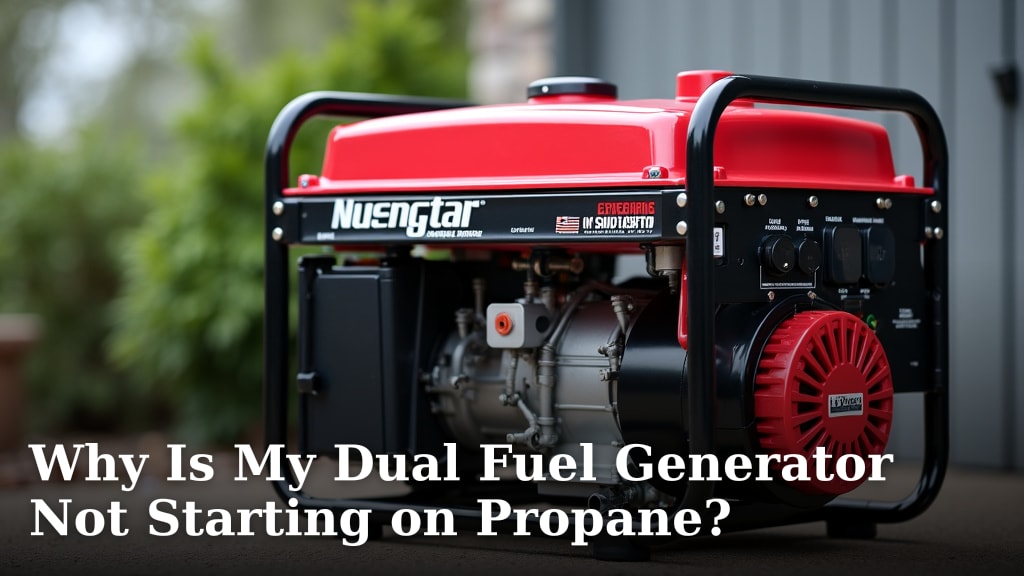
Your dual fuel generator is not starting on propane most often because of a clogged carburetor or a faulty fuel system component. Propane systems can be sensitive to blockages, which stop fuel flow.
We understand how frustrating it is when your generator fails, especially when you depend on it. Many common issues, like a damaged fuel line or an old spark plug, can prevent starting. Keeping your generator in top shape is key.
- Clogged carburetor is a top cause.
- Check your fuel lines for damage or blockages.
- A faulty spark plug can prevent ignition.
- Ensure your propane tank has enough fuel.
- Look for any issues with the regulator or hoses.
Let’s walk through the most common reasons your dual fuel generator isn’t firing up on propane and how you can get it running again, step by step.
Troubleshooting Your Dual Fuel Generator’s Propane Start-Up Woes
When your dual fuel generator refuses to start on propane, it can be incredibly frustrating. We understand you’re looking for solutions, and we’ll guide you through the most common reasons and fixes. Often, the issue boils down to fuel delivery or ignition problems.
Fuel System Issues Preventing Propane Start
The propane system is a common culprit. If the fuel isn’t getting where it needs to go, or isn’t getting there correctly, your generator won’t fire up. This system relies on a precise flow and pressure.
Empty or Low Propane Tank
Is your propane tank actually full? It might sound simple, but checking the fuel level is often overlooked. A tank can look full but contain very little liquid propane. Make sure the tank valve is fully open. Sometimes, people forget to open it all the way.
- Inspect the tank’s gauge, if available.
- Gently rock the tank; a sloshing sound indicates liquid, but don’t rely solely on this.
- Ensure the main valve on the tank is turned completely counter-clockwise.
Faulty or Frozen Regulator
The regulator’s job is to reduce the high pressure from the tank to a safe, usable level for your generator. When this device malfunctions, fuel flow is disrupted. A regulator can fail due to age or internal component issues. In cold weather, moisture can also freeze inside, blocking gas flow.
To check the regulator, listen for a hissing sound, which might indicate a leak. If it’s frozen, try warming it gently with a hairdryer. Never use an open flame directly on a regulator. If it’s old, replacing it is often the best solution (National Fire Protection Association).
Clogged Fuel Lines or Filter
Just like any fuel system, propane lines can become obstructed. Debris, rust, or even spiders can create blockages. Your generator might have an inline fuel filter designed to catch these contaminants. If that filter is clogged, propane won’t reach the carburetor.
Visually inspect the fuel lines for kinks, cracks, or visible blockages. If your generator has a replaceable propane filter, try changing it. We found that this is a relatively inexpensive and easy fix that many owners can do themselves.
Damaged Propane Hose
The hose connecting your propane tank to the generator is a critical component. Over time, these hoses can become brittle, crack, or develop leaks. A damaged hose means a loss of pressure, preventing your generator from drawing enough fuel. You might even smell propane if there’s a leak.
Carefully inspect the entire length of the hose. Look for any visible signs of wear, tears, or bulges. If you find any damage, replace the hose immediately. Even small leaks can be dangerous and prevent proper operation.
Ignition System and Engine Trouble
Even if propane reaches the engine, it needs the right conditions to ignite. Issues with the spark plug, carburetor, or even engine compression can prevent a successful start.
Worn or Fouled Spark Plug
The spark plug provides the crucial spark that ignites the air-fuel mixture. A dirty, worn, or incorrectly gapped spark plug can lead to a weak or absent spark. This is a very common reason for starting problems, especially after periods of disuse.
Remove the spark plug and inspect its condition. Look for carbon buildup or electrode wear. Clean it with a wire brush or replace it entirely if it looks bad. Always ensure the gap is set to the manufacturer’s specification. Many generator manuals provide clear instructions for this.
Dirty or Clogged Carburetor
Your carburetor mixes air and fuel in the correct ratio for combustion. If it’s clogged, especially the small jets designed for propane, your generator won’t get the right fuel-air mix. This is perhaps the most notorious problem for generators that sit for long periods (Environmental Protection Agency).
Cleaning a carburetor can be a bit tricky, but it’s often necessary. You might need to disassemble it and use a carburetor cleaner. If you’re not comfortable with this, a professional can usually handle it. We’ve seen many cases where a good carburetor cleaning brings a generator back to life.
Low Engine Oil Level
Most modern generators have a low-oil shutdown feature. If the engine oil level is too low, the generator simply won’t start, regardless of fuel type. This is a safety mechanism designed to prevent engine damage.
Check your oil dipstick. Ensure the oil level is within the recommended range. Add oil if necessary, using the type specified in your owner’s manual. This simple check can often resolve a “no start” issue quickly.
Loss of Engine Compression
Engines need good compression to create the force needed for combustion. If your generator has been heavily used or is very old, you might experience a loss of engine compression. This isn’t as common as other issues but can definitely prevent starting.
While checking compression usually requires a special tool, you might notice the engine feels unusually easy to pull if it has a recoil starter. This is a more serious issue that typically requires professional repair or a complete engine overhaul.
Environmental Factors and Generator Settings
Sometimes, the generator itself isn’t entirely to blame. The environment or how you’re trying to start it can also play a role.
Cold Weather Starting Challenges
Propane behaves differently in cold temperatures. When it’s very cold, the propane might not vaporize correctly, making it harder for the generator to draw enough fuel. The pressure in the tank also drops significantly when temperatures fall (National Propane Gas Association).
To help with cold starts, you can try warming the propane tank gently (never use an open flame). Keeping the generator in a warmer spot before starting can also help. Some generators have cold-weather starting procedures in their manuals.
Incorrect Choke or Start Procedure
Are you using the choke correctly? Is the fuel selector set to propane? Even experienced owners can sometimes overlook these basic steps. The choke enriches the fuel mixture for starting, especially when cold.
Double-check your generator’s starting instructions. Ensure the fuel selector switch is firmly set to “Propane.” If it’s a manual choke, make sure it’s engaged during starting and then gradually disengaged as the engine warms up.
Quick Checklist for Propane Start-Up Failure
Before calling for help, run through this quick checklist. It covers the most common and easiest fixes for your generator not starting on propane.
- Is the Propane Tank Full and Valve Open? This is the number one thing to check.
- Is the Propane Hose Connected and Undamaged? Look for kinks, cracks, or leaks.
- Is the Regulator Operating Correctly? Check for freezing or leaks near the tank.
- Have you Checked and Cleaned the Spark Plug? A fresh spark is often all it needs.
- Is Your Carburetor Clean and Clear? Blockages here are very common.
- Is the Engine Oil Level Sufficient? Low oil will prevent starting every time.
By systematically checking these points, you can often pinpoint and resolve the issue yourself, saving you time and money. Remember, proper maintenance is key to keeping your dual-fuel generator ready when you need it most.
Conclusion
When your dual fuel generator won’t start on propane, it’s usually solvable with a bit of troubleshooting. You’ve learned how to check everything from your fuel tank to the spark plug. Most issues stem from fuel delivery or ignition problems that are quite common. Don’t let a non-starting generator leave you powerless.
By systematically working through the checks we’ve outlined, you can often diagnose and fix the problem yourself. Remember, regular maintenance helps prevent these headaches. If you’re still stuck, contacting a qualified technician is always a good next step to get your generator running smoothly again.
Frequently Asked Questions
Why does my generator start on gasoline but not propane?
This often points to an issue specific to the propane fuel system. It could be a clogged propane jet in the carburetor, a faulty propane regulator, or even an empty/low propane tank. Gasoline and propane use different fuel pathways, so one can work while the other doesn’t.
Can old propane prevent a generator from starting?
Unlike gasoline, propane doesn’t “go bad” or degrade over time in the same way. However, if your propane tank is very old or corroded, it can introduce rust or debris into your fuel lines and carburetor, causing blockages that prevent starting.
How do I prime my dual fuel generator for propane?
Most dual fuel generators don’t have a manual “prime” function for propane. Instead, you ensure the tank valve is fully open. You might need to crank the engine a few times to allow the propane system to pressurize and draw fuel to the carburetor. Refer to your owner’s manual for specific cold-start procedures.
What if I smell propane but the generator won’t start?
A propane smell indicates a leak somewhere in the system—tank, hose, or fittings. This means propane is escaping and not reaching the engine effectively. Immediately shut off the tank valve and find the source of the leak, as this can be dangerous. Never attempt to start the generator with a known propane leak.
Should I try starting on gasoline first if propane fails?
Yes, if your generator has been sitting, starting it on gasoline first can help circulate fluids and warm up the engine. This can sometimes make it easier for the propane system to engage once you switch over. Always follow your manufacturer’s recommended starting procedures.
