
How to Switch a Dual Fuel Generator from Gas to Propane?
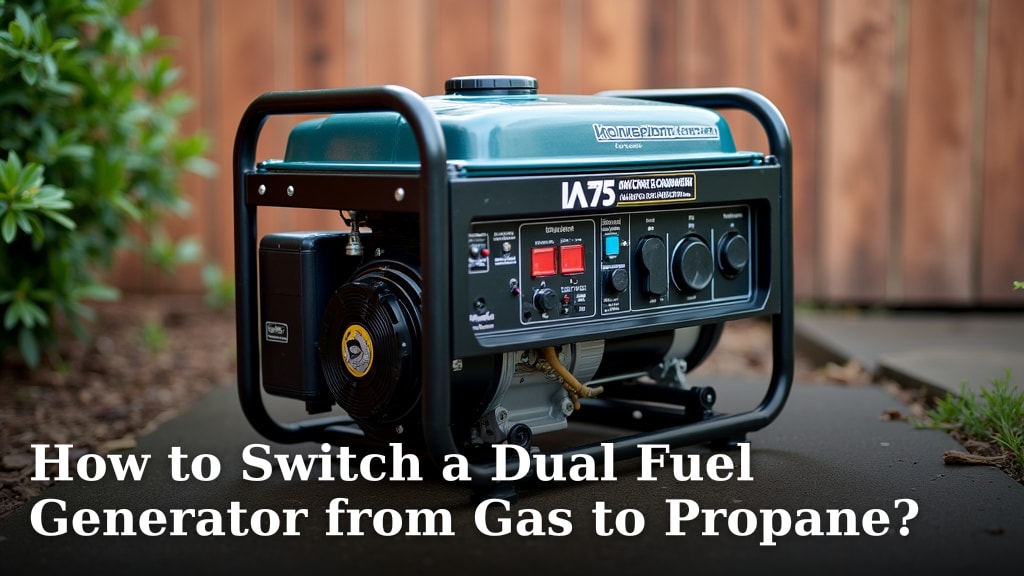
To switch your dual fuel generator from gas to propane, you’ll first close the gasoline fuel valve, then run the engine until it’s out of fuel. After that, you’ll connect your propane tank and open its valve, priming the system before starting. This process is straightforward, ensuring you can safely and efficiently switch fuel sources whenever needed.
Understanding how to switch a dual fuel generator from gas to propane is super handy, especially during power outages. We found that being able to use either fuel type gives you great flexibility. It also lets you take advantage of propane’s longer storage life and cleaner burn. You’ll switch between natural gas and liquid propane easily.
- Close the gasoline fuel valve.
- Run the generator until it stops.
- Attach propane cylinder and hose.
- Open the propane tank valve slowly.
- Prime the generator before starting.
Ready to get started? Let’s walk through exactly how to make this switch, step by step, ensuring your generator is always ready to go.
Making the Switch: Gas to Propane on Your Dual Fuel Generator
Switching your dual fuel generator from gasoline to propane is a straightforward process when you know the steps. It helps you keep your power running efficiently and safely. We found that understanding each stage makes the entire operation feel much less daunting.
Understanding Your Dual Fuel Generator
Before you make a switch, it’s good to know a bit about your generator. What type of engine does it have? Is it a manual start or electric start? Knowing these details helps you anticipate how it will respond during the fuel transition. We found that most modern dual fuel generators are designed for easy switching.
Why Switch to Propane?
You might wonder why you’d even want to switch. Propane offers several advantages over gasoline. For one, it has a much longer shelf life. Gasoline can degrade in a few months, but propane can be stored for years without issue. This is especially important for emergency preparedness (Centers for Disease Control and Prevention).
Propane also burns much cleaner than gasoline. This means less carbon buildup in your engine and fewer emissions. A cleaner burn can extend the life of your generator and reduce maintenance needs. Plus, propane tanks are sealed, which means no messy gasoline spills or strong fumes.
Safety First: Essential Precautions
Working with fuel and machinery always requires caution. Before you touch anything, always prioritize your safety. A few simple steps can prevent accidents and ensure a smooth transition. We found that rushing through these steps is where problems often arise.
- Always ensure the generator is turned off and cooled down before performing any maintenance or fuel switching.
- Work in a well-ventilated area, especially when dealing with gasoline fumes or propane leaks.
- Keep any ignition sources, like open flames or sparks, far away from the generator and fuel tanks.
- Wear appropriate personal protective equipment, such as gloves and eye protection.
- Have a fire extinguisher rated for Class B fires (flammable liquids and gases) nearby.
Step-by-Step Guide to Switching Fuel
Now, let’s get into the actual process. It’s like changing a tire on your car; once you’ve done it a few times, it becomes second nature. We’ll walk you through the key actions needed to successfully switch your generator to propane.
Phase 1: Clearing the Gasoline System
This is a critical first step. You don’t want gasoline lingering in the carburetor when you switch to propane. This could lead to a rough start or even damage over time. Think of it like finishing one drink before pouring another; you want a clean transition.
- Close the Gasoline Fuel Valve: Locate the fuel shut-off valve on your generator. It’s usually a small lever or knob near the fuel tank or carburetor. Turn it to the “off” or “closed” position. This stops more gasoline from flowing to the engine.
- Run the Generator Until it Stops: With the fuel valve closed, start your generator. Let it run naturally. It will continue to use the gasoline that’s already in the fuel lines and carburetor. It might sputter a bit as it runs out, which is completely normal. Allow it to run until it completely shuts down on its own. This ensures the carburetor is mostly dry.
This “run until dry” method helps prevent gumming up your carburetor, which is a common issue for generators that sit with old gasoline (Briggs & Stratton).
Phase 2: Connecting the Propane Supply
Once your generator is silent and the gasoline system is clear, you can connect your propane source. This phase is about making secure connections to prevent leaks and ensure a steady fuel supply.
- Attach the Propane Hose to the Tank: Take your propane hose and connect one end to your propane tank. Make sure it’s a tight, secure fit. Hand-tighten it first, then use a wrench if needed, but don’t overtighten.
- Connect the Other End to the Generator: Attach the other end of the propane hose to the propane inlet on your generator. This inlet is often clearly marked. Again, ensure a secure, leak-free connection.
- Open the Propane Tank Valve Slowly: Once everything is connected, slowly open the valve on your propane tank. Listen for any hissing sounds, which could indicate a leak. You can also spray a soapy water solution on the connections; if bubbles appear, you have a leak and need to tighten or reseal.
We found that slowly opening the valve helps the system pressurize gradually and makes it easier to detect leaks early.
Starting Your Generator on Propane
The moment of truth! Starting a generator on propane sometimes requires a slightly different approach than gasoline, especially when it’s cold. Propane needs to vaporize to burn, and a “prime” helps with that.
- Prime the Generator: Many dual fuel generators have a primer button for propane. This injects a small amount of propane into the carburetor to help with the initial start. Follow your generator’s specific instructions for priming. You might press it a few times.
- Set the Choke (if applicable): Depending on your generator and the ambient temperature, you might need to use the choke. Consult your manual for the recommended starting procedure for propane.
- Start the Generator: Now, attempt to start your generator. This might be by pulling a recoil cord or pressing an electric start button. It might take a few extra pulls or tries on propane, especially if it’s been a while since it ran.
If it doesn’t start, don’t keep trying endlessly. Give it a break, check your connections, and try pruning again. We found that patience is key when starting any generator, especially after a fuel switch.
Troubleshooting Common Switching Issues
Even with the best preparation, sometimes things don’t go perfectly. If your generator isn’t starting on propane after the switch, don’t worry. There are a few common culprits. We understand it can be frustrating, but many issues have simple fixes.
| Problem | Possible Cause | Solution |
|---|---|---|
| Generator won’t start on propane | Not enough priming, or too much priming. | Ensure proper priming as per manual; adjust if needed. |
| Propane smell/hissing sound | Loose connection on hose or tank. | Tighten all connections; use soapy water to check for leaks. |
| Rough running or sputtering | Improper generator settings or old propane. | Check choke settings; ensure propane tank isn’t nearly empty. |
| Engine just cranks, no ignition | Gasoline still in carburetor hindering propane. | Ensure gasoline was completely run out; re-prime propane. |
Remember, your generator’s manual is your best friend. It has specific details for your model that can be incredibly helpful. Every generator is a little unique, just like people!
Maintenance After Switching to Propane
You’ve successfully switched to propane and your generator is humming along. Great job! But the story doesn’t end there. A little post-switch care goes a long way in keeping your generator in top shape. We found that preventative maintenance saves you headaches later.
- Monitor Fuel Levels: Keep an eye on your propane tank levels. It’s easy to forget since you don’t visually “see” the fuel like gasoline.
- Store Propane Tanks Properly: Store propane tanks upright and in a well-ventilated area, away from direct sunlight or heat sources.
- Check Hoses Regularly: Periodically inspect your propane hoses for cracks, wear, or damage. Replace them if they show any signs of deterioration.
- Understand Run Times: Propane typically gives you longer run times per gallon than gasoline. Factor this into your fuel planning during an outage.
- Cleanliness is Key: While propane burns cleaner, it’s still a good idea to perform routine maintenance like oil changes and air filter checks.
We believe that by following these steps, you’ll feel confident and capable every time you need to switch your dual fuel generator. Staying prepared means staying ahead of potential problems!
Conclusion
You now have a clear roadmap for switching your dual fuel generator from gasoline to propane. Keeping these steps in mind ensures your generator remains a reliable power source, offering flexibility and peace of mind. You can confidently optimize your generator for longer storage and cleaner operation. By following these safety and operational guidelines, you’re not just switching fuel; you’re actively extending your generator’s lifespan and proving its readiness for any situation.
Frequently Asked Questions
Is it hard to switch a dual fuel generator from gas to propane?
No, it’s quite straightforward once you understand the basic steps. The key is to clear the gasoline from the system first, then securely connect and prime the propane. We found that most users pick up the process quickly after a couple of tries.
Can I switch back to gasoline after running on propane?
Yes, you absolutely can switch back to gasoline. You would follow a similar process in reverse: run the generator until the propane runs out, disconnect the propane, and then open the gasoline fuel valve before starting. Always consult your generator’s manual for specific instructions.
Why does my generator sputter when switching to propane?
Sputtering can occur if the generator isn’t properly primed or if there’s residual gasoline in the carburetor. We found that giving it adequate priming, as per your manual, usually resolves this. It might also help to ensure the gasoline was fully run out before attempting to start on propane.
Do I need special tools to switch fuel types?
Generally, you only need a wrench for securing the propane tank connection, though hand-tightening is often sufficient. We suggest keeping one handy just in case. Otherwise, the process relies on manipulating valves and buttons on your generator.
How long can I store propane for my generator?
Propane has an indefinite shelf life when stored properly in certified tanks. Unlike gasoline, it doesn’t degrade over time. This makes it an excellent choice for long-term emergency preparedness. We recommend checking your tanks periodically for any signs of damage or leaks.
