
How to Start a Dual Fuel Generator on Propane?
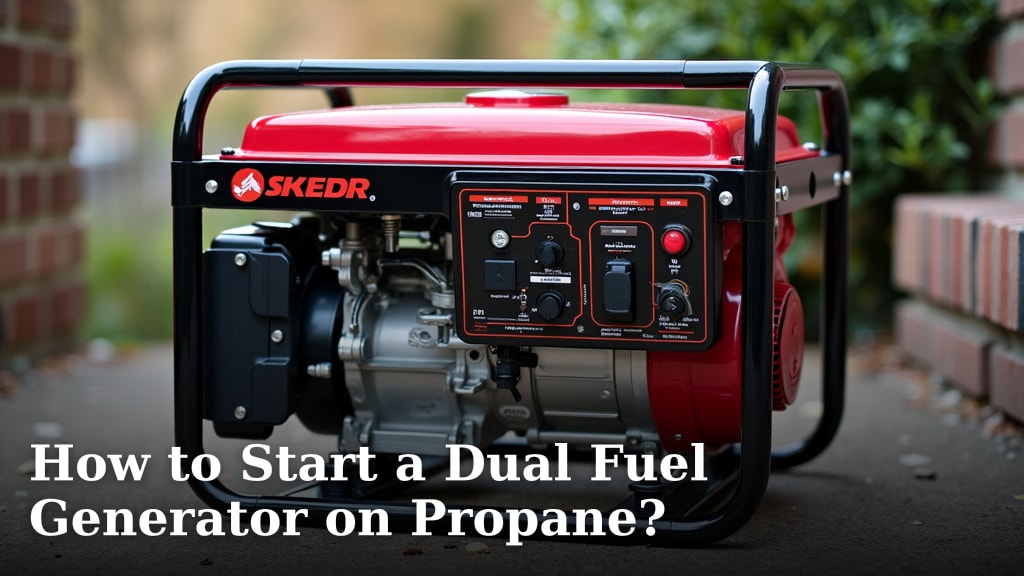
To start a dual fuel generator on propane, first, connect the propane tank securely to the generator’s fuel inlet. Then, open the propane tank valve slowly. Next, set the generator’s fuel selector switch to propane mode before engaging the choke and pulling the recoil cord or pressing the electric start button. This method allows for a quick and efficient startup.
Propane offers several benefits for your generator, like cleaner burning and longer storage life than gasoline. Many people use propane for emergency backup power. It’s a reliable choice, especially if you store fuel for long periods. We found that most propane startups are straightforward once you know the steps.
- Connecting the propane tank safely.
- Opening the propane valve correctly.
- Switching fuel to propane mode.
- Using the choke and starting your generator.
Let’s walk through exactly how this works, step by step, so you can get your dual fuel generator running smoothly on propane whenever you need it.
Getting Your Dual Fuel Generator Started with Propane
Starting your dual fuel generator on propane is often simpler than you might think. It just requires a few careful steps. We find that a smooth process minimizes frustration, especially when you need power quickly.
Safety First: Pre-Startup Checklist for Propane Operation
Before you even touch your generator, we strongly recommend a quick safety check. This helps prevent accidents and ensures everything runs well. Think of it as your power-up ritual.
Personal Protective Equipment (PPE)
You might be wondering, “Do I really need PPE for this?” We say yes, absolutely. Even a small propane leak can be dangerous. We always suggest wearing gloves to protect your hands and safety glasses to shield your eyes from any unexpected sprays or debris. It’s better to be safe than sorry, right?
Generator Placement and Ventilation
Correct placement is not just a suggestion; it’s a rule for your safety. Always operate your generator outdoors, far from windows, doors, and vents. This prevents dangerous carbon monoxide from entering your home. Many experts emphasize a minimum distance of 20 feet from any structure (Consumer Product Safety Commission).
Imagine carbon monoxide as an invisible, odorless enemy. You can’t see it or smell it, but it can be deadly. Proper ventilation is your best defense.
Inspecting Your Propane Tank and Connections
Before connecting, give your propane tank a quick once-over. Look for any dents or signs of rust. Then, check the hose that connects to the generator. Is it cracked? Are the fittings tight? A slow leak can be hazardous, so always inspect these connections carefully before use. We’ve found that a visual check takes seconds but can save you a lot of trouble.
Connecting Your Propane Tank to the Generator
This is where the magic starts. Connecting the tank properly is key. Don’t rush this part. It’s like setting the stage for a great performance.
Secure the Propane Tank
Place your propane tank on a flat, stable surface near the generator. Make sure it won’t tip over. A wobbly tank is a recipe for disaster. We recommend keeping it upright and secure throughout the process.
Attaching the Regulator and Hose
Most generators use a standard propane hose with a regulator. This regulator is important because it controls the gas pressure. Attach the hose’s regulator end to the propane tank valve. Turn the collar clockwise until it’s snug. You don’t need to overtighten it; just make sure it’s firm. We often say, “hand-tight is just right.”
Next, connect the other end of the hose to the generator’s propane inlet. This connection usually has a hand-tightening nut or a quick-disconnect fitting. Make sure it locks into place or is twisted securely. A loose connection can cause a leak and prevent your generator from starting.
Fueling Up: Opening the Propane Valve
Once everything is connected, it’s time to let the propane flow. This step needs a gentle hand.
Slowly Open the Propane Tank Valve
Turn the valve on top of your propane tank counter-clockwise, very slowly. Don’t just yank it open. Slowly opening it allows the pressure to equalize without shocking the system or triggering any safety features on the regulator. We’ve noticed a quick open can sometimes prevent gas from flowing properly.
You might hear a faint hiss as the gas flows through the line. This is normal. What you don’t want to hear is a loud, continuous hiss, which could signal a leak.
Check for Leaks (Soap and Water Test)
After opening the valve, we strongly suggest checking for leaks. Mix a little dish soap with water to create a bubbly solution. Spray or brush this solution over all your connections: where the regulator meets the tank and where the hose meets the generator. If you see bubbles forming, even small ones, you have a leak. This is a critical safety check.
If you find a leak, immediately close the propane tank valve. Tighten the connection, or replace the hose if it’s damaged. Leaks are dangerous and must be fixed before proceeding.
Setting Up the Generator for Propane Start
Now that your fuel is connected and safe, it’s time to tell your generator, “Hey, we’re using propane today!”
Locate the Fuel Selector Switch
On dual fuel generators, there’s typically a switch or lever that lets you choose your fuel type. Find this switch. It’s usually clearly labeled “Gasoline” and “Propane” or “LP” (Liquid Propane). Move it to the “Propane” position.
If you forget this step, your generator won’t get any fuel, and it simply won’t start. It’s like trying to drive your car without putting it in “drive.”
Engage the Choke
For a cold engine, the choke helps deliver a richer fuel mixture, making it easier to start. Your generator will have a choke lever or knob, often near the air filter. Move it to the “Choke” or “Start” position. Once the engine starts and warms up, you’ll open the choke again, but more on that later.
Starting the Generator: Pull Cord or Electric Start
This is the moment of truth! Get ready to bring your generator to life.
Recoil Start (Pull Cord)
If your generator has a recoil start, follow these steps:
- Make sure the main circuit breaker on the generator is in the “Off” or “Open” position. This prevents the generator from immediately powering connected devices, which can damage them or the generator.
- Grab the recoil handle firmly.
- Pull the cord slowly until you feel resistance. This is where the engine’s compression builds.
- Now, give it a swift, strong pull all the way out. Don’t yank it short; a full, smooth pull is often more effective.
- Repeat as needed. Most propane generators start within 1-3 pulls, especially when cold.
If it doesn’t start after a few tries, pause. Check your fuel selector, choke, and connections again. Patience is your friend here.
Electric Start (Push Button)
For generators with electric start, it’s usually even easier:
- Ensure the main circuit breaker is “Off” or “Open.”
- Press and hold the start button for a few seconds. Do not hold it down for an extended period if the engine doesn’t catch. This can drain your battery or damage the starter.
- Release the button if it doesn’t start immediately, wait a few seconds, and try again.
If your electric start isn’t working, check the generator’s battery. Is it charged? Are the terminals clean and tight? A weak battery is a common culprit.
After Starting: Operating Your Generator on Propane
Congratulations, your generator is running! Now, let’s get it ready to work for you.
Disengaging the Choke
Once the engine is running smoothly, slowly move the choke lever back to the “Run” or “Open” position. You should do this gradually as the engine warms up. If you open it too quickly, the engine might stall. We find that a minute or two of warm-up in choke mode is usually enough.
You can tell it’s ready when the engine’s sound becomes steady and consistent, without sputtering.
Connecting Your Appliances
With the generator running steadily and the choke off, you can now connect your appliances. Remember to plug in devices one by one, starting with the highest wattage items if you have many. This prevents overloading the generator. Always monitor the wattage display if your generator has one.
Troubleshooting Common Starting Issues with Propane
Sometimes, even with the best instructions, things don’t go perfectly. Don’t worry, we’re here to help you troubleshoot.
| Issue | Possible Cause | Solution |
|---|---|---|
| Generator won’t start | Propane tank valve closed | Open propane tank valve fully |
| Generator cranks but doesn’t fire | Choke improper position or no choke | Adjust choke to “Start” then “Run” gradually |
| Engine starts then dies | Low propane supply or weak regulator | Check tank level; ensure propane flow; try a different tank |
| Generator smells like gas | Propane leak | Immediately close tank valve; check all connections with soap test |
| Electric start doesn’t work | Dead/weak battery or loose cables | Charge battery; clean/tighten battery terminals |
| Difficult to pull recoil cord | Generator too cold or spark plug issue | Try turning engine over once or twice slowly first; check spark plug |
Key Takeaways for a Smooth Start
Here’s a quick checklist to keep in mind, blending all the steps we’ve discussed:
- Always prioritize safety first: proper placement and leak checks are vital.
- Ensure your propane tank is connected securely, with no leaks.
- Slowly open the propane tank valve.
- Set the generator’s fuel selector to “Propane.”
- Engage the choke fully for a cold start.
- Use a strong, smooth pull for recoil start or a measured push for electric.
- Once running, slowly disengage the choke and let the engine warm up.
By following these steps, you’ll be well on your way to reliably powering your world with a propane-fueled dual fuel generator. It’s all about method and a little patience.
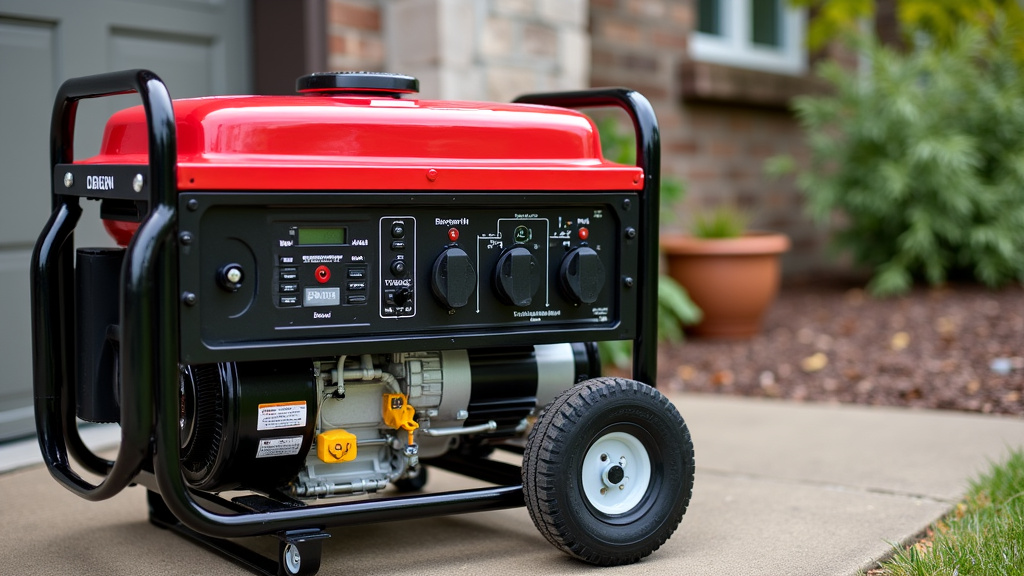
Conclusion
You’ve now got a solid understanding of how to confidently start your dual fuel generator on propane. By consistently following these steps—from crucial safety checks to the final connection of appliances—you ensure a reliable power source when you need it most. We’ve found that preparation and attention to detail make all the difference, helping you avoid frustrating delays.
Remember, your generator is there to provide peace of mind. Taking the time to master these steps means you’re always ready. Go ahead and practice your startup routine a few times to build your confidence; it’s an essential skill for any homeowner with a dual fuel generator.
Frequently Asked Questions
Can I switch fuel types while my dual fuel generator is running?
No, we strongly advise against switching fuel types while your generator is operating. This can cause damage to the engine or fuel system. Always shut down your generator completely before changing from propane to gasoline, or vice versa.
How long does a standard 20lb propane tank last on a generator?
The run time for a 20lb propane tank varies greatly depending on your generator’s wattage and the load it’s carrying. Generally, you can expect 3-5 hours of run time at a 50% load. We always recommend having multiple tanks on hand for extended outages.
What if my generator won’t start on propane but starts easily on gasoline?
If your generator favors gasoline, check your propane connections and tank supply first. The issue could be a faulty propane regulator or a blockage in the propane fuel line. We’ve often found that a fresh propane tank can solve this problem quickly.
Is it normal to hear a hissing sound when first opening the propane tank valve?
A faint, brief hiss is normal as the propane pressure equalizes in the hose. However, a loud or continuous hiss indicates a leak. You must immediately close the tank valve and perform a soap and water leak test to find and fix the issue before proceeding.
Do I need to prime my generator when starting on propane?
Most modern dual fuel generators do not require manual priming when operating on propane. The system is designed to draw fuel directly. If your generator struggles to start, ensure the propane tank valve is fully open and the connections are secure before considering other issues.
