
Why Is My Generator Running Rough on Old Gasoline?
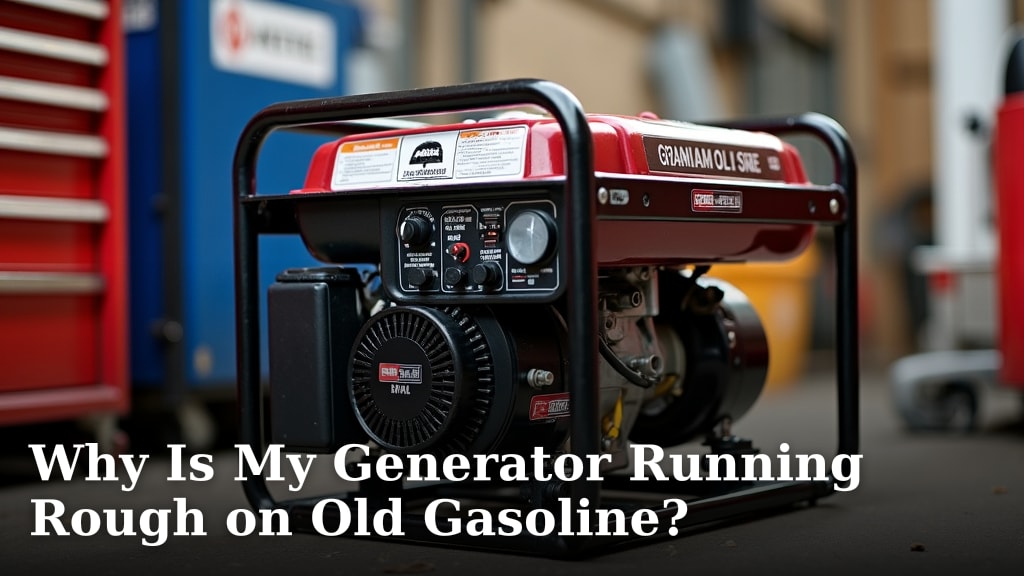
Your generator is likely running rough on old gasoline because the fuel has degraded and lost its potency. Over time, gasoline can oxidize and develop varnish deposits. These deposits can clog your generator’s fuel system components, leading to poor performance. This is a common issue when fuel sits unused for too long.
When gasoline ages, it doesn’t just smell funny; its chemical makeup changes. This can result in combustion problems and reduced power output. You might also notice hard starting or sputtering. Old fuel can even damage internal engine parts over time if not addressed.
- Old gasoline breaks down and forms deposits.
- These deposits can clog fuel lines and carburetors.
- This leads to rough running, sputtering, and hard starting.
- Using a fuel stabilizer can help prevent this issue.
Let’s take a closer look at why this happens and what you can do to get your generator running smoothly again.
What’s Making Your Generator Act Up with Old Gas?
So, your trusty generator is sputtering and coughing, refusing to run smoothly when you try to use it with old gasoline? It’s a frustrating problem, but there’s a very logical reason behind it. The main culprit is usually the gasoline itself. Over time, gasoline doesn’t just sit there; it actually changes chemically. This degradation is the primary reason for your generator’s rough performance.
Think of gasoline like milk. You wouldn’t want to drink milk that’s been sitting in the fridge for months past its expiration date, right? Gasoline is similar, though its “expiration” is a bit more gradual. When it sits for too long, especially in less-than-ideal storage conditions, it begins to break down.
The Science of Stale Fuel
Gasoline is a complex mixture of hydrocarbons. It also contains various additives that help it burn cleanly and efficiently. Unfortunately, some of these components are more volatile than others. When gasoline is exposed to air and heat, these volatile elements can evaporate. This process, called oxidation, is what causes the fuel to lose its potency.
As oxidation progresses, new compounds form. One of the most problematic is a sticky, gummy substance known as varnish. This isn’t just a little bit of gunk; it can become quite significant. Research has shown that this varnish can cling to metal surfaces within your generator’s fuel system.
Varnish: The Sticky Situation
This varnish acts like a clog. It starts to build up in the tiny passages of your generator’s fuel system. These passages are designed to let a very precise amount of fuel flow. When they’re partially blocked by varnish, the fuel mixture going into the engine is no longer correct. This leads directly to that rough running you’re experiencing. Your generator is essentially trying to run on a diet of insufficient or impure fuel.
Ethanol’s Role: A Sneaky Additive
You might have heard about ethanol in gasoline. Many gas stations add ethanol to their fuel, often up to 10% (E10). While ethanol can have some benefits, it can also exacerbate problems with old fuel. Ethanol is hygroscopic, meaning it attracts and absorbs water from the air. This water can then cause corrosion in your fuel tank and fuel lines.
Worse still, ethanol can break down the rubber and plastic components found in many fuel systems. This breakdown can release more particles into the fuel, contributing to clogs. It can also make the fuel itself more unstable, leading to quicker degradation. Many experts recommend using ethanol-free gasoline for small engines like generators if you can find it, especially if the fuel will be stored for any length of time (Small Engine Repair Association).
How Old Fuel Affects Your Generator’s Performance
The symptoms of using old gasoline aren’t always the same, but rough running is a common one. Your generator might:
- Start up, but then sputter and die.
- Run unevenly, with power fluctuations.
- Struggle to maintain a steady RPM.
- Produce less power than it normally would.
- Be difficult or impossible to start.
The Carburetor: A Prime Suspect
The carburetor is often the first part of the fuel system to show problems from old gas. This small but vital component precisely mixes air and fuel before sending it into the engine’s combustion chamber. Its internal passages are incredibly small, making it highly susceptible to blockages from varnish and debris.
When the carburetor is clogged, the air-fuel ratio gets thrown off. Too much air or too little fuel (or vice-versa) means the engine can’t burn fuel efficiently. This leads to the misfires and rough operation you’re noticing. It’s like trying to breathe through a straw that’s partly blocked.
Fuel Lines and Filters: More Places for Gunk
It’s not just the carburetor. The flexible fuel lines can also become gummed up internally. If your generator has a fuel filter, that’s also designed to catch debris. However, a saturated filter can restrict fuel flow, causing the same performance issues. Sometimes, you’ll find a mushy, degraded filter that’s contributing to the problem.
How Long Does Gasoline Really Last?
This is a question many generator owners ask. The answer isn’t a simple number because several factors influence it. However, we can provide some general guidelines based on common research and expert opinions.
Under ideal conditions, fresh gasoline stored properly can last for several months. We’re talking about a cool, dry place, in a sealed container, away from light. Even then, its quality will start to decline. Many small engine mechanics recommend using gasoline within 30 days for optimal performance (National Marine Manufacturers Association).
Factors Affecting Fuel Longevity
Here’s what can make your gasoline go bad faster:
- Temperature: Higher temperatures accelerate chemical reactions. Storing gas in a hot garage or shed is a recipe for quick degradation.
- Air Exposure: Every time you open the gas can or it’s not sealed properly, air gets in. This speeds up oxidation.
- Container Type: Plastic gas cans can allow some vapor to escape over time, and can also be more permeable to air and moisture. Metal containers are generally better for long-term storage.
- Ethanol Content: As mentioned, ethanol makes gasoline less stable and more prone to absorbing water.
What About Stabilizers? Do They Really Work?
Yes, fuel stabilizers are quite effective when used correctly. A fuel stabilizer is an additive that helps to slow down the degradation process. It works by preventing oxidation and the formation of varnish and gum. Many experts recommend adding a stabilizer to any gasoline you plan to store for more than a month.
When you buy gasoline, especially if you know it might sit around for a while before use in your generator, treat it immediately. Add the recommended amount of stabilizer to your gas can, then fill it with fresh gasoline. This helps protect the fuel from the moment it’s stored. It’s a simple step that can save you a lot of headaches and repair costs down the road.
Fixing Your Generator: What Are Your Options?
You’ve identified that old gas is likely the problem. Now, what’s the best way to get your generator back into good working order?
Step 1: Drain and Replace the Fuel
This is the absolute first thing you must do. You cannot fix a rough-running generator with bad fuel. Drain all the old gasoline from the generator’s fuel tank. Be sure to do this in a well-ventilated area, away from any open flames or sparks. Dispose of the old fuel properly according to your local regulations. It’s not safe to just pour it down the drain or into the environment.
Once the tank is empty, you can add a small amount of fresh gasoline. Run the generator for a few minutes to help flush out any residual old fuel and varnish from the lines and carburetor. Then, drain this fresh fuel out, again disposing of it properly.
Step 2: Clean or Replace Fuel System Components
If simply replacing the fuel doesn’t solve the problem, you’ll likely need to clean the fuel system.
The carburetor is the most common culprit.
Cleaning the Carburetor
You can try cleaning the carburetor yourself, but it requires some mechanical aptitude. You’ll need to remove it from the generator. Then, you’ll disassemble it carefully. Use a carburetor cleaner spray to dissolve the varnish and gum. You’ll want to pay special attention to the jets and small passages. Compressed air can help blow them clear. If the varnish is particularly stubborn, soaking the carburetor parts in a specialized cleaner might be necessary. Many DIY guides and videos can walk you through this process.
When to Consider Replacement
Sometimes, a carburetor is too far gone. If it’s heavily corroded or if the varnish deposits are impossible to remove, replacement might be the more practical option. Carburetors for many common generator models are readily available and not excessively expensive. It often saves time and frustration compared to trying to salvage a severely damaged unit.
Step 3: Inspect and Replace the Fuel Filter
If your generator has a fuel filter, inspect it. If it looks discolored, gummy, or degraded, replace it. This is usually a simple, inexpensive part. A clean filter is essential for ensuring clean fuel reaches the carburetor.
Preventative Maintenance: Your Best Defense
The best way to avoid dealing with a rough-running generator due to old gas is prevention. Here’s a quick checklist:
- Use a fuel stabilizer for stored fuel.
- Run your generator periodically (at least monthly) for 10-15 minutes.
- This burns off any stale fuel and keeps engine components lubricated.
- Store gasoline in approved, sealed containers in a cool, dry place.
- Consider using ethanol-free gasoline if available and practical.
- Empty the fuel tank before long periods of storage (e.g., at the end of the season).
Conclusion
You’ve learned that your generator’s rough running is often a direct result of old, degraded gasoline. This stale fuel forms varnish and deposits that clog vital fuel system parts like the carburetor and fuel lines. Ethanol content can also worsen these issues by attracting water and breaking down components. Addressing this problem requires draining the old fuel and cleaning or replacing affected parts. By following simple preventative steps like using fuel stabilizer and running your generator periodically, you can keep it in top shape.
Your next step is to pick up some fresh gasoline and a good quality fuel stabilizer to protect your investment.
Frequently Asked Questions
How can I tell if my gasoline is too old for my generator?
If your gasoline has been stored for longer than 3-6 months, it’s likely starting to degrade. You might notice a stale odor, or it could appear cloudy. The best indicator is if your generator starts sputtering or runs poorly after you’ve used fuel that’s been sitting.
Can I just add fresh gasoline to old gasoline in the tank?
No, this is generally not recommended. Mixing fresh fuel with old, degraded fuel won’t solve the underlying problem. The old fuel’s varnish and deposits will still be present, and it can contaminate the new fuel, leading to continued rough running.
What’s the best way to store gasoline for my generator long-term?
Store gasoline in an approved, sealed container, preferably metal, in a cool, dry location away from heat sources and direct sunlight. Always add a fuel stabilizer to the gasoline immediately after purchase if you don’t plan to use it within a month.
Is it safe to run my generator with a clogged carburetor?
It’s not ideal to run your generator with a clogged carburetor. The improper air-fuel mixture can cause inefficient combustion, potentially leading to further engine damage over time. It’s best to clean or replace the carburetor before extended use.
How often should I run my generator to prevent fuel problems?
You should aim to run your generator at least once a month for about 10-15 minutes. This helps burn off any fuel that might be lingering in the carburetor and fuel lines, keeping them clean and ensuring the engine remains lubricated.
