
How to Fix Propane Hose Leaking at Generator?
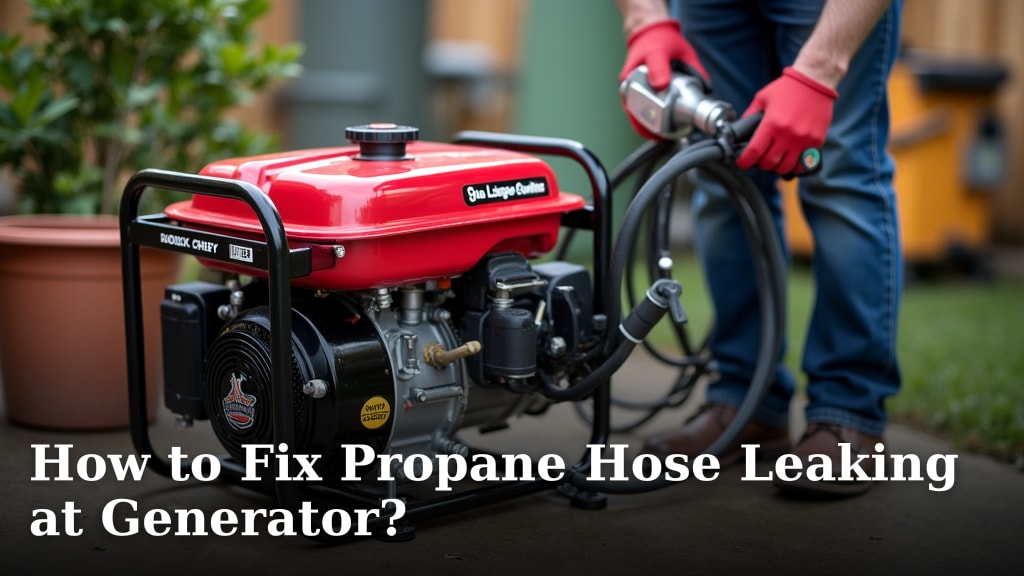
If your propane hose is leaking at the generator, the first step is to immediately shut off the propane supply at the tank. You can fix a leaking propane hose at your generator by inspecting the connections for damage, tightening fittings, or replacing worn-out parts like the regulator or the hose itself. Safety is absolutely key here; a propane leak can be dangerous.
Propane leaks from generator hoses are a common concern for outdoor power users. A loose connection or a damaged hose is often the culprit. Understanding how to safely identify and repair these issues will keep your generator running smoothly and your mind at ease. We’ve researched this topic thoroughly to help you out.
- Shut off propane immediately.
- Inspect for obvious damage or loose fittings.
- Tighten connections first.
- Replace damaged hoses or regulators.
- Always prioritize safety.
Below, we’ll walk you through the simple steps to pinpoint and fix that pesky propane hose leak on your generator, so you can get back to powering your needs safely.
Troubleshooting a Leaking Propane Hose at Your Generator
A leaking propane hose connected to your generator is a situation that needs your immediate attention. Safety comes first, so remember to always shut off the propane supply right at the tank before you do anything else. We’ve found that most leaks stem from simple issues you can often fix yourself. This guide will help you pinpoint and resolve the problem safely.
This isn’t a problem you want to ignore. Propane is flammable, and even a small leak can be hazardous. Fortunately, fixing a leaking hose connection at your generator is usually straightforward. Let’s get you through this step-by-step.
First Steps: Safety and Initial Inspection
Before you touch anything, ensure your generator is in a well-ventilated area, far from any open flames or sparks. Your primary goal is to stop the leak safely and effectively. We always recommend working in daylight or with good portable lighting so you can see clearly.
Once the propane is shut off at the tank, you’ll want to carefully examine the entire hose assembly. Look for any obvious signs of wear or damage. This includes cracks, kinks, abrasions, or even melted spots on the hose itself. Any damage to the hose material means it likely needs to be replaced.
Identifying the Leak Source
You might be wondering, “How do I actually *find* the leak?” The most common method involves using a soapy water solution. You can mix liquid dish soap with water in a spray bottle. Then, with the propane supply *still off*, spray this solution liberally on all the connections: where the hose meets the tank regulator, where it connects to the generator’s inlet valve, and any other fittings along the way.
Now, turn the propane supply *back on slowly*. Watch and listen closely. If there’s a leak, you’ll see bubbles forming where the gas is escaping. You might also hear a faint hissing sound. This soapy water trick is incredibly effective at pinpointing even small leaks that aren’t obvious to the naked eye. Remember to turn the propane off again immediately after you’ve found the source.
Checking the Connections
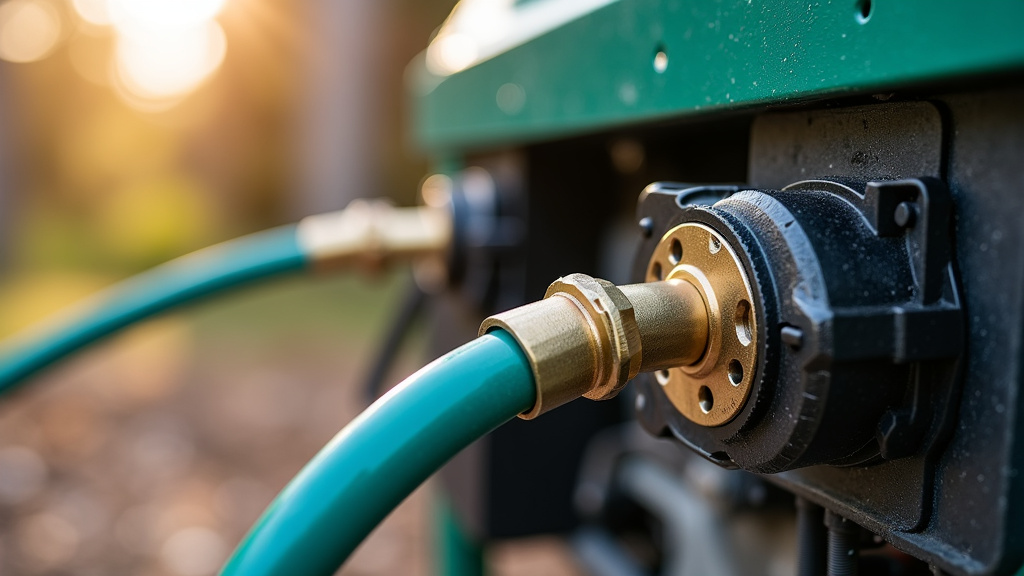
Many leaks happen at the point where the hose connects to other components. These connections are often threaded fittings. Over time, they can loosen due to vibration or temperature changes. Your first instinct should be to gently tighten any fittings that appear loose. Use an appropriate wrench, but be careful not to overtighten, as this can also cause damage.
Think of it like a garden hose connection. Sometimes, it just needs a little snugging up. If you tighten a connection and the bubble test shows the leak has stopped, you’ve likely found your culprit. Congratulations! You might be done with this step.
Common Culprits and How to Address Them
If tightening doesn’t solve the problem, or if you see visible damage, it’s time to consider replacing parts. We’ve found that the most frequent issues involve the hose itself, the regulator, or the fittings.
The Propane Hose
Propane hoses are designed to be durable, but they aren’t indestructible. Exposure to sunlight, extreme temperatures, chemicals, or even physical damage can degrade the material. If you find any cracks, cuts, or stiffness in the hose, it’s a clear sign for replacement.
When buying a new hose, ensure it’s specifically rated for propane use. Look for hoses that are designed for low-pressure applications, as this is typically what a generator uses. Check the length and fitting types to make sure you get one that’s compatible with your generator and propane tank setup. Many experts recommend hoses with excess flow protection for added safety.
Replacing the Hose: A Step-by-Step
1. Shut off the propane at the tank and disconnect the existing hose from the tank regulator and the generator. 2. Unscrew the old hose from both ends. Make sure no debris falls into the generator’s inlet port. 3. If your new hose came with thread sealant tape (PTFE tape), apply it to the male threads of the generator inlet and the tank regulator outlet. Wrap it clockwise a few times. 4. Screw the new hose onto the generator inlet first. Hand-tighten, then give it a quarter-turn with a wrench. 5. Screw the other end of the new hose onto the tank regulator. Again, hand-tighten, then snug it up with a wrench. 6. Turn the propane on slowly and perform the soapy water test on both new connections.
The Regulator
The regulator’s job is to reduce the high-pressure propane from the tank to the lower pressure your generator needs to run. If the regulator is faulty, it can cause a leak, or it might not deliver gas properly. You might notice a leak right at the point where the regulator attaches to the propane tank, or it might allow gas to escape internally.
A damaged regulator often shows physical signs like corrosion or cracks. Sometimes, a regulator simply wears out. If you’ve replaced the hose and still have a leak, or if the generator isn’t getting enough propane, the regulator is a prime suspect. Many regulators are designed to be replaced as a unit. You’ll usually find a nut that connects the regulator to the POL fitting on the propane tank.
Swapping Out the Regulator
1. Turn off the propane at the tank and disconnect the hose from the regulator. 2. Unscrew the regulator from the propane tank valve. It might require a wrench. 3. Inspect the tank valve for any debris. 4. Attach the new regulator to the tank valve. Ensure it’s snug and properly seated. 5. Reconnect the propane hose to the new regulator. 6. Turn on the propane and perform the soapy water leak test on all connections.
Fittings and Adapters
Sometimes, the issue isn’t the hose or the regulator itself, but a small fitting or adapter you’re using. This is especially true if you’re using an adapter to connect a larger propane tank or a hose with different connectors. These small pieces can also develop cracks or have worn-out seals.
If you notice a leak coming from an adapter (like a Y-splitter or a converter), that adapter is likely the problem. Many adapters are relatively inexpensive and can be easily replaced. Always ensure any adapters you use are specifically designed for propane and the pressure levels involved.
Checklist for a Safe and Secure Connection
Let’s recap the key safety and repair steps. Keeping these in mind will help you avoid common mistakes:
- Always shut off propane at the tank before any inspection or repair.
- Use a soapy water solution to reliably detect leaks.
- Gently tighten fittings first; don’t force them.
- Inspect hoses for visible signs of wear and tear.
- Replace damaged hoses, regulators, or fittings with propane-specific parts.
- Perform a final leak test after any repair or replacement.
When to Call a Professional
While many propane hose leaks are fixable with basic tools and parts, there are times when it’s best to call in an expert. If you’ve tried everything and still can’t find or fix the leak, or if you’re uncomfortable working with propane systems, don’t hesitate to reach out. Propane safety is a serious matter.
A qualified technician has specialized tools and extensive knowledge. They can quickly diagnose complex issues and ensure your generator’s propane system is safe and up to code. Many appliance repair services or propane companies offer generator hookup and maintenance, which would include checking your hoses and regulators.
| Symptom | Likely Cause | Solution |
|---|---|---|
| Bubbles/Hissing at a connection | Loose fitting | Gently tighten the connection with a wrench. |
| Bubbles/Hissing on the hose itself | Damaged hose (crack, cut, wear) | Replace the propane hose with a new, propane-rated hose. |
| Leak at the tank connection | Faulty regulator or worn tank valve seal | Replace the regulator. If the tank valve seal is bad, consider replacing the tank. |
| No propane flow, or inconsistent flow | Clogged regulator or hose, or faulty regulator | Inspect for blockages; replace regulator if necessary. |
Remember, your safety and the safety of those around you are the top priorities. If you ever doubt your ability to fix a propane leak safely, calling a professional is always the wisest choice.
Conclusion
You’ve learned how to safely tackle a propane hose leak at your generator. Remember, the key steps involve shutting off the gas, inspecting connections and the hose itself, and then addressing any issues by tightening fittings or replacing worn parts. We found that many leaks are minor and easily fixed, but never hesitate to call a professional if you feel unsure.
Your next step is to perform a thorough inspection using the soapy water method we discussed. This simple test can save you a lot of worry and ensure your generator is ready when you need it, safely and reliably.
Frequently Asked Questions
How often should I check my propane hose for leaks?
It’s a good practice to check your propane hose for leaks before each use, especially if the generator has been stored for a while. A quick spray of soapy water on the connections can catch potential problems early, ensuring your generator is ready for action.
Can I use regular rubber hose instead of a propane-rated hose?
No, you absolutely should not. Regular rubber hoses are not designed to handle the specific pressure and chemical properties of propane, which can cause them to degrade, crack, or even burst, creating a serious fire hazard. Always use hoses specifically rated for propane.
What if the leak is coming from the propane tank itself, not the hose?
If you suspect the leak is from the tank valve or the connection point to the tank regulator, it’s best to stop immediately. You may need to have the tank valve serviced or consider replacing the tank itself. This is a situation where professional help is highly recommended.
My generator is hissing, but the soapy water isn’t bubbling. What could be wrong?
A faint hiss without visible bubbles could indicate a very small leak or a leak at a point that’s hard to reach with the spray. You might also hear a hiss if the regulator is malfunctioning and releasing gas. Try applying the soapy water more directly to all seal points again, and if the hiss persists, consider replacing the regulator.
Is it safe to store my generator with the propane tank attached?
While many generators are designed for portable use with propane tanks, it’s always best to disconnect the propane tank when storing the generator for extended periods. This minimizes any risk of accidental leaks and keeps your equipment in the best condition.
