
What Causes Propane Regulator Freezing on Generator?
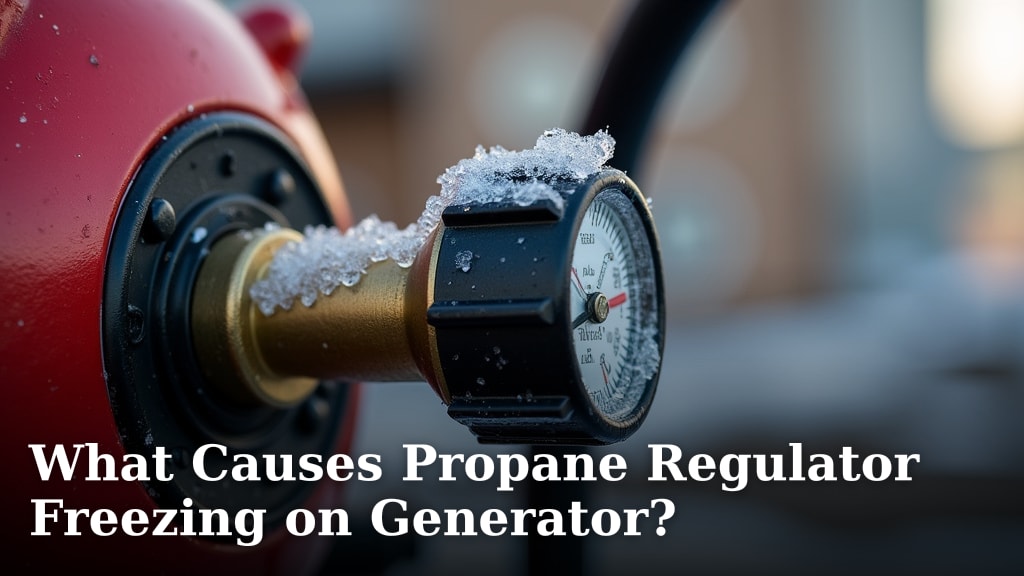
Propane regulator freezing on your generator often happens due to moisture in the propane turning into ice when the gas expands rapidly. This sudden pressure drop causes the regulator itself to get very cold. It’s a common issue, especially when running generators in cooler weather.
When propane gas flows from the tank to your generator, it goes through a regulator. This device lowers the pressure. As the gas expands through the regulator, it cools down quickly. If there’s even a little water in the tank, it can freeze onto the regulator’s components, blocking gas flow and causing your generator to sputter or shut down. Many users find this happens when using older propane tanks or tanks that haven’t been stored properly.
- Propane regulators freeze when moisture in the propane turns to ice.
- This occurs because the gas cools rapidly as it expands through the regulator.
- The freezing can stop the gas flow, causing generator problems.
- It’s more common in cooler temperatures and with older or improperly stored tanks.
Let’s look at what causes this annoying problem and how you can prevent it from stopping your generator when you need it most.
Why Your Propane Regulator Might Be Freezing
It’s a frustrating situation: your generator sputters and dies, and you discover the propane regulator is frozen solid. You’re probably wondering why this is happening, especially if you’re in a pinch and need power. The primary culprit is the very nature of propane itself and how it behaves when pressure changes.
When propane, which is stored as a liquid under pressure, is released to flow as a gas, it undergoes a rapid expansion. This expansion causes a significant drop in temperature. Think of a spray can that gets cold when you use it – it’s a similar principle. This cooling effect is what leads to the freezing problem.
The Science Behind the Chill: Expansion Cooling
The regulator’s job is to take the high-pressure liquid propane from your tank and safely reduce it to a lower, usable pressure for your generator. This pressure reduction is where the cooling happens. As the propane molecules escape the high pressure of the tank and move into the lower-pressure environment of the regulator and then your generator, they spread out.
This spreading requires energy. The propane gas draws this energy from its surroundings, including the regulator itself. This absorption of energy leads to a rapid decrease in temperature. We found that this phenomenon is scientifically known as the Joule-Thomson effect, or sometimes called throttling. It’s a fundamental property of gases.
Understanding Pressure Drop and Temperature Change
Imagine a crowded room (high pressure) where everyone suddenly has a lot more space to move around (low pressure). They’d spread out, and the overall energy in the room would feel like it decreased. Propane acts similarly. The faster the gas flows, and the greater the pressure drop, the more dramatic the cooling effect becomes.
When your generator is running hard, it demands a lot of propane. This high demand means a greater flow rate through the regulator. A higher flow rate through the regulator leads to a more intense cooling effect. This is why you might notice freezing more often during heavy generator use or extended run times.
The Role of Moisture in Propane Tanks
While the expansion cooling is the main driver, the presence of moisture is what turns a cold regulator into a frozen one. Propane isn’t perfectly pure. Sometimes, trace amounts of water can be present in the propane when it’s bottled. This water can come from various sources, including condensation inside the tank itself.
When the regulator gets cold enough due to the expansion of propane, any moisture present will freeze. This ice forms on the internal components of the regulator. It’s like the frost you see on a cold windowpane, but inside your propane system. This ice buildup is what obstructs the flow of gas.
Sources of Water Contamination
Where does this moisture come from? Several factors can contribute. Older propane tanks, especially those that have been used for a long time or stored improperly, might be more prone to developing internal condensation. If a tank has been refilled from a questionable source, there’s also a small risk of contamination.
We found that improper storage is a common factor. Tanks stored outdoors in varying temperatures can experience condensation as warm, moist air enters the tank when it cools. This cycle can introduce water. Additionally, if a tank has been sitting for a long time, any residual moisture may have more time to accumulate and freeze when the conditions are right.
How Freezing Affects Generator Performance
Once ice starts to build up inside the regulator, it acts like a plug. Propane gas can’t easily pass through the frozen parts. This means your generator isn’t receiving the fuel it needs to run. The result is a gradual loss of power, sputtering, or a complete shutdown.
Think of it like trying to drink a thick milkshake through a straw that’s been partially blocked. The flow is restricted. Your generator engine needs a consistent supply of fuel. When that supply is cut off by ice, the engine can’t maintain its combustion cycle. Many users report this happening mid-operation, which is never ideal.
Symptoms of a Frozen Regulator
You’ll likely notice your generator’s performance degrading before it stops completely. Some common signs include:
- Sputtering or Rough Running: The engine may sound uneven as it struggles to get enough fuel.
- Loss of Power: The generator might not be able to power your appliances effectively, or its output may drop significantly.
- Sudden Shutdown: The engine may stop abruptly, especially under a heavy load.
- Frost on the Regulator: You might see ice or frost forming on the exterior of the propane regulator itself. This is a clear visual cue.
Environmental Factors: Temperature and Humidity
The colder the ambient temperature, the more likely propane regulators are to freeze. This is because the natural cooling from expansion has a head start. If it’s already chilly outside, the regulator doesn’t need to cool down as much to reach freezing point.
High humidity can also play a role. While the primary source of moisture is usually within the propane or tank, a very humid environment can contribute to condensation issues. This is especially true if the propane tank is stored outdoors and experiences temperature fluctuations, creating a breeding ground for ice.
Running Generators in Cold Weather
Operating your generator in winter or during cool spells requires extra attention. You’ll find that the risk of regulator freezing increases significantly. We found that generators designed for colder climates often have features to mitigate this, but standard models can be more susceptible.
If you need to run your generator in cold weather, it’s wise to take preventive steps. Keeping the propane tank and regulator slightly warmer can make a difference. Even small measures can help prevent the extreme cold needed for ice to form rapidly.
Propane Tank Factors Affecting Freezing
The type and condition of your propane tank can influence regulator freezing. The size of the tank matters too. Smaller tanks have a higher surface area to volume ratio, which can sometimes lead to faster cooling and increased condensation potential.
Older tanks might have internal surfaces that are more prone to attracting and holding moisture. Regular maintenance and proper storage are key to keeping your tanks in good condition. We found that using a tank that is appropriately sized for your generator’s fuel needs can also help, preventing excessive strain on the regulator.
Tank Size and Regulator Load
A tank that’s too small for the generator’s demand can exacerbate the problem. When the generator is pulling propane faster than the tank can vaporize it, the liquid propane can cool the tank and regulator excessively. This increased load puts more stress on the regulator, leading to more rapid cooling and a higher chance of freezing.
If you’re using a smaller tank, like a 20-pound BBQ tank, for a generator that runs for long periods or under heavy load, you’re essentially asking a lot from that small tank. It can lead to premature freezing. Many experts suggest using larger tanks, like 100-pounders or even a full-size residential tank, for extended generator use to ensure adequate vaporization and reduce regulator strain.
Preventing Propane Regulator Freezing: A Checklist
Avoiding this common problem can save you a lot of headaches. Here are some quick things you can do to help prevent your propane regulator from freezing:
- Use larger propane tanks: Especially for longer generator runs, larger tanks offer better vaporization.
- Keep tanks and regulators warm: Store tanks in a slightly warmer area if possible, and avoid direct exposure to extreme cold.
- Inspect your tanks: Ensure your propane tanks are in good condition and properly sealed.
- Check propane quality: Refill from reputable sources to minimize the risk of contaminated fuel.
- Avoid overloading: Don’t push your generator beyond its rated capacity, as this increases fuel demand.
- Consider a regulator heater: For extreme cold environments, a regulator heater can be a worthwhile investment.
When to Seek Professional Help
If you’ve tried basic troubleshooting and your regulator continues to freeze, or if you’re unsure about any aspect of your propane system, it’s always best to consult a qualified propane technician or your generator manufacturer. They can diagnose more complex issues and ensure your system is operating safely and efficiently.
Your generator is a vital tool, and keeping it running smoothly, especially when you need it most, is important. Understanding why your propane regulator might freeze is the first step toward preventing it. By paying attention to the propane itself, the conditions, and your equipment, you can keep the power flowing.
Conclusion
Understanding why your propane regulator freezes on your generator is key to keeping it running smoothly. You’ve learned that the rapid expansion of propane gas causes cooling, and moisture within the tank turns this cold into ice. This ice buildup then restricts fuel flow, leading to generator shutdowns. Paying attention to tank condition, propane quality, and operating environment can prevent frustrating power outages. For reliable power when you need it most, always consider using larger tanks and maintaining your equipment.
Frequently Asked Questions
What’s the difference between propane regulator freezing and propane vaporizing?
Propane regulator freezing happens when moisture in the propane turns to ice inside the regulator due to expansion cooling. Propane vaporizing is the normal process of liquid propane turning into gas so your generator can use it. Freezing is an unwanted byproduct of this process when moisture is present.
Can a new propane tank freeze its regulator?
Yes, even new propane tanks can have regulators freeze. While less likely, moisture can still be present during the manufacturing or refilling process. The fundamental principle of expansion cooling still applies, so proper handling and storage remain important.
How much moisture in a propane tank is too much?
Even a small amount of moisture, often less than 1% of the propane’s volume, can cause issues when conditions are right for freezing. This is why refilling from reputable sources and proper tank storage to prevent condensation is important, as you can’t easily see or measure the exact moisture content.
Is it safe to try and warm up a frozen propane regulator?
Never use an open flame or extremely high heat to warm a frozen regulator. This is a major fire hazard. You can try gently warming the area with a towel or allowing the ambient temperature to rise naturally. If it’s a recurring issue, professional inspection is recommended.
Will using a larger propane tank always prevent regulator freezing?
Larger tanks generally offer better propane vaporization and reduce the load on the regulator, significantly lowering the risk of freezing. However, if the propane itself is heavily contaminated with moisture or the ambient temperatures are extremely low, freezing can still occur, though less frequently.
