
How to Fix Propane Regulator Freezing on Generator?
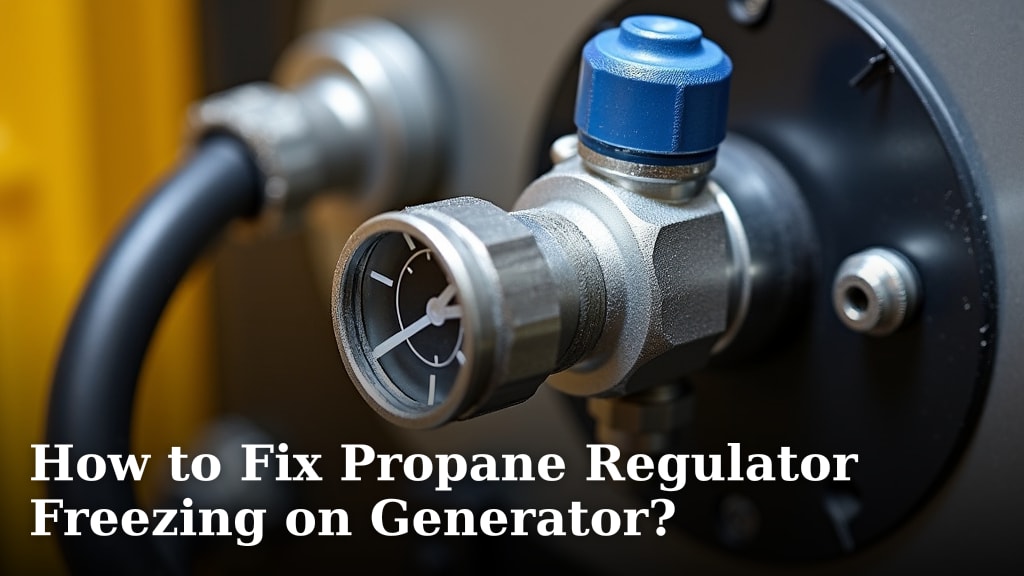
Propane regulators can freeze on your generator when moisture in the propane turns to ice, often during cold weather. To fix a frozen propane regulator, you usually need to warm it gently and ensure your propane tank has a dry vapor withdrawal. This prevents moisture buildup.
It’s a common problem that can stop your generator right when you need it most. When the regulator freezes, it can block propane flow, causing your generator to sputter or shut off completely. Understanding why it happens is key to preventing it.
- Propane regulators freeze when moisture turns to ice.
- Cold temperatures make freezing more likely.
- Warm the regulator gently if it freezes.
- Use dry vapor from your propane tank.
- Preventative measures stop freezing before it starts.
Let’s walk through exactly how this happens and what you can do to get your generator running smoothly again, even in the cold.
Troubleshooting a Frozen Propane Regulator on Your Generator
When cold weather hits, your generator might suddenly stop working. You check everything, and it seems fine. But if you hear sputtering or the engine just dies, a frozen propane regulator is often the culprit. This happens when moisture in the propane turns into ice. It’s like a tiny ice plug forming right where your generator needs fuel. But don’t worry, there are clear steps you can take to fix this and get your generator back online. We’ll walk you through how to warm it up safely and what you can do to prevent it from happening again.
Why Does a Propane Regulator Freeze?
Propane itself can’t freeze in the way water does. It’s stored as a liquid under pressure. However, when propane expands from liquid to gas to fuel your generator, it cools down rapidly. This process is called the Joule-Thomson effect. If there’s any moisture present in the propane – and there usually is, from humidity in the air when the tank was filled – this moisture can freeze when the regulator gets cold enough. Think of it like breathing on a cold window; the moisture in your breath turns to frost. The same principle applies here, but it can create ice that blocks the flow of propane. Understanding the Joule-Thomson effect is key to preventing freezing in your dual fuel generator.
Understanding Moisture in Propane
Propane tanks are filled with liquid propane. Atmospheric moisture can get into the tank during the filling process. Even “dry” propane contains small amounts of water vapor. This is perfectly normal for propane use. However, in freezing temperatures, this vapor is the main ingredient for creating ice inside the regulator. The colder it gets, the faster this freezing can happen. Many experts agree that humidity levels and the purity of the propane itself can play a role (US Department of Energy).
The Role of Cold Temperatures
When the outside temperature drops below freezing (32°F or 0°C), the risk of your propane regulator freezing increases dramatically. The rapid expansion of propane as it flows through the regulator causes it to become extremely cold. If this cold surface comes into contact with the moisture that’s already in the propane gas, ice crystals can form. This ice can accumulate and eventually block the small openings within the regulator, restricting or completely stopping the flow of propane gas to your generator’s engine. This is why portable propane tanks, which are more exposed to the elements, are more susceptible than larger, stationary tanks.
Steps to Gently Warm a Frozen Regulator
The most important thing when dealing with a frozen regulator is to warm it gently. You absolutely do not want to use direct heat or an open flame. That can damage the regulator or create a safety hazard. The goal is just to melt any ice that has formed. A slow, steady warming is best. We’ve found that patience is key here.
Safety First: Turn Off the Propane
Before you do anything else, you need to shut off the flow of propane. Locate the shut-off valve on your propane tank. Turn it clockwise until it’s completely closed. This stops any more propane from flowing, which is essential for safety. Also, turn off your generator. You don’t want the engine trying to run while you’re working on the fuel system. This simple step prevents potential leaks or uncontrolled gas flow.
Method 1: Air Dry and Warm Up
The simplest method is often the most effective. If it’s not dangerously cold, sometimes just waiting a bit is enough. Cover the regulator with a dry towel. This helps absorb any condensation. You can also use a hairdryer on a low, cool setting. Keep it a safe distance away and move it around. Never point it directly at the regulator for too long. The gentle, ambient heat from the room or the hairdryer is usually enough to melt the ice. This can take anywhere from 15 minutes to an hour, depending on how cold it is and how much ice has formed. Check periodically by trying to slowly open the tank valve to see if propane is flowing normally.
Method 2: Warm Water (Use with Extreme Caution)
If the air-drying method isn’t working fast enough, you can use warm water. This is more effective but requires extra care. You’ll need a bowl or bucket of warm (not hot) water. Dunk a towel in the warm water, wring it out so it’s damp but not dripping, and wrap it around the frozen regulator. You might need to re-warm the towel and reapply it a few times. Another approach is to carefully pour small amounts of the warm water directly over the regulator. Avoid getting water into the regulator’s vents or connections. Make sure the water isn’t hot enough to warp plastic parts or damage seals. The goal is gentle warmth, not a steam bath. This method can speed up the thawing process considerably.
Method 3: Waiting it Out
Sometimes, especially if you have a backup heat source or can wait, the best approach is simply to wait for the temperature to rise. If you can move your generator and tank to a warmer location, like a garage or shed (ensure it’s well-ventilated), that will speed things up. If not, simply leaving it alone for an hour or two, or even overnight if necessary, will allow the natural ambient temperature to thaw the regulator. This is the safest method if time is not a critical factor for you. It requires no effort, just patience.
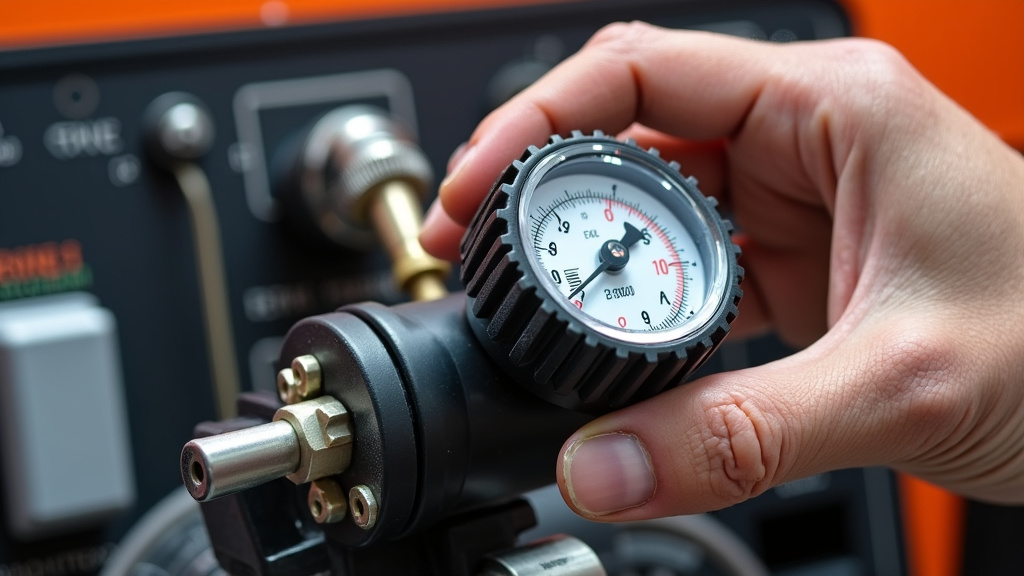
Preventing Your Regulator from Freezing in the Future
Once you’ve fixed the immediate problem, you’ll want to avoid future freezing issues. Prevention is always better than cure, especially when it comes to your generator’s reliability. Thinking ahead can save you a lot of frustration when you need power the most.
Use Dry Vapor Withdrawal Tanks
This is perhaps the most important preventative step. Propane tanks can be designed for either liquid withdrawal or vapor withdrawal. For generators, you need vapor withdrawal. This means the propane gas is drawn from the top of the tank, where it’s already in gas form. Liquid withdrawal draws liquid propane from the bottom. This liquid propane is much more likely to carry moisture and cause freezing issues when it rapidly expands and cools in the regulator. Ensure your propane supplier fills your tanks correctly for vapor withdrawal. Most standard BBQ-style tanks are designed for vapor withdrawal, but it’s good to be sure.
Consider Propane Additives (with Caution)
Some people use propane antifreeze additives. These are chemicals designed to absorb moisture. However, experts often recommend caution. Not all additives are created equal, and some can potentially damage regulator components or seals over time. If you consider this route, research additives specifically designed for propane and use them according to the manufacturer’s instructions. Always prioritize dry vapor withdrawal first. Many sources suggest avoiding additives if possible for long-term equipment health (National Propane Gas Association recommendations).
Keep Tanks Dry and Protected
While the regulator is the part that freezes, protecting the entire tank system can help. If possible, store your spare propane tanks in a dry, covered area. Avoid letting them sit in puddles or snow. A simple tarp can help keep moisture away. While this won’t directly prevent the regulator from getting cold, it reduces the overall humidity and potential for condensation around the connections. A dry tank is a slightly more reliable tank.
Monitor Ambient Temperatures and Usage
Be aware of the weather. If temperatures are expected to drop significantly, pay extra attention to your generator and propane supply. If you’re running your generator for extended periods in very cold weather, the regulator will be exposed to continuous cooling. You might need to swap out tanks more frequently if you notice any signs of slowing or sputtering. Running the generator in a somewhat sheltered location, if safe and practical, can also help reduce direct exposure to wind and extreme cold.
Regular Maintenance Checks
Periodically inspect your regulator and connections for any signs of wear or damage. Ensure hoses are not cracked or leaking. A well-maintained system is a more reliable system. If you suspect a faulty regulator, it’s best to have it inspected or replaced by a qualified professional. Proper maintenance ensures all components are working as they should.
Checklist: Quick Fixes and Prevention
Here’s a quick rundown to help you get your generator running and keep it that way:
- Shut Off Gas: Always turn off the propane tank valve first.
- Gentle Warming: Use a towel or a hairdryer on low, cool settings.
- Avoid Direct Heat: Never use open flames or extremely hot water.
- Dry Vapor: Ensure your tank is filled for vapor withdrawal.
- Keep it Dry: Protect tanks from snow, rain, and puddles.
- Monitor Weather: Be extra cautious in freezing temperatures.
Conclusion
We’ve covered why your propane regulator might be freezing up and how to fix it. Remember, gentle warming is key, and never use open flames. The most effective long-term solution is ensuring you use dry vapor withdrawal from your propane tanks. This simple step greatly reduces the moisture entering your regulator. By understanding the process and taking preventative measures, you can keep your generator running reliably, even when the temperatures drop. Always prioritize safety and check your equipment regularly.
Frequently Asked Questions
How long does it take for a propane regulator to unfreeze?
It can take anywhere from 15 minutes to over an hour for a frozen regulator to thaw. This depends on how cold it is and how much ice has formed. Patience is essential, and you can speed it up with gentle warming methods like a warm towel.
Can I use a propane tank in freezing weather?
Yes, you can use a propane tank in freezing weather, but you need to be aware of the risk of regulator freeze-up. Ensure your tank is designed for vapor withdrawal and consider keeping spare tanks in a warmer, sheltered location if possible.
What is the difference between liquid and vapor withdrawal from a propane tank?
Vapor withdrawal draws propane gas from the top of the tank, which is ideal for generators and less likely to carry moisture. Liquid withdrawal draws liquid propane from the bottom; this is more prone to freezing when it expands into gas.
Is it safe to run a generator in a garage?
Never run a generator inside a garage, even with the door open. Generators produce carbon monoxide, a deadly, odorless gas. Always operate them outdoors, far away from windows and doors, and in a well-ventilated area.
Should I just replace my propane regulator if it freezes often?
If your regulator frequently freezes despite following preventative steps, it might be faulty or damaged. Replacing it is a good idea for reliability. Ensure your new regulator is compatible with your generator and always shut off the propane supply before attempting any replacement.
