
What Causes Generator Electric Start Not Working?
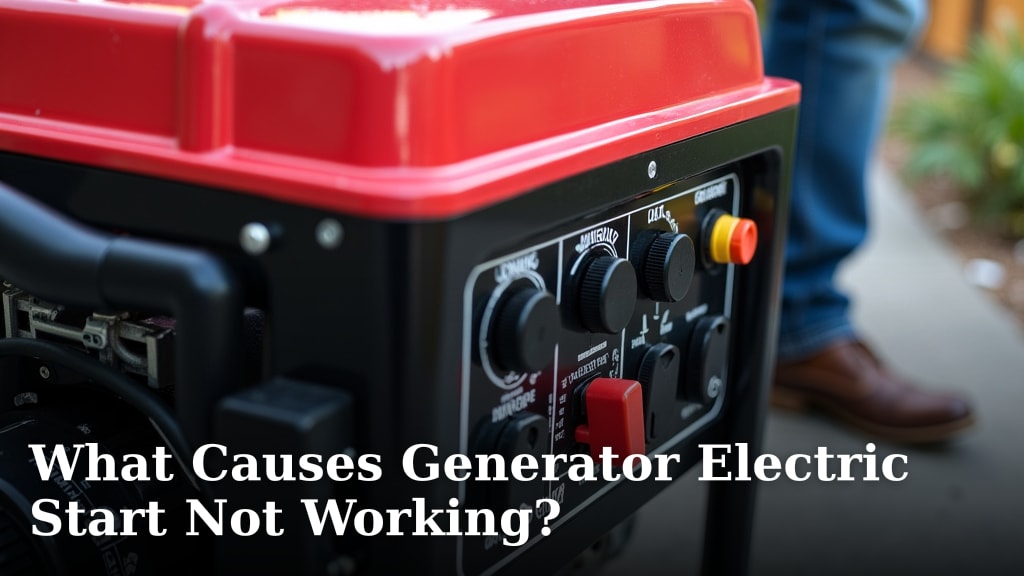
A generator electric start not working is often caused by a dead battery, a faulty starter motor, or a problem with the ignition switch. It’s frustrating when you need power and your generator won’t even crank over. Many common issues can prevent that starter button from doing its job.
Don’t worry, we’ve researched this common generator headache. We found that issues range from simple fixes like a loose wire to more involved component failures. Understanding these potential causes can help you troubleshoot effectively and get your generator back online.
- Dead battery is a frequent culprit.
- Starter motor failure can stop the crank.
- Ignition switch or solenoid issues are common.
- Loose wiring or corrosion can cause problems.
- Fuel issues can indirectly affect starting.
Let’s walk through the most likely reasons your generator’s electric start is giving you trouble.
Troubleshooting Your Generator’s Electric Start Issues
It’s incredibly frustrating when you flip that switch, expecting power, and your generator just sits there silently. You’re not alone in experiencing a generator electric start that won’t work. Many common issues can prevent the electric starter from engaging.
We’ve researched this problem extensively. Often, the cause is something quite simple and fixable. Let’s break down the most frequent reasons your generator might not be cranking over.
The Battery: The Heart of the Electric Start
The battery is often the number one suspect when your electric start fails. Think of it as the generator’s heart; without a good beat, nothing else can get going.
Is Your Battery Dead or Low on Charge?
This is the most common reason for an unresponsive electric start. Batteries lose their charge over time, especially if they aren’t used regularly or maintained properly. Extreme temperatures can also impact battery performance. A battery that sits for too long without being topped up can become deeply discharged.
How to check: You can use a multimeter to test the battery’s voltage. A fully charged 12-volt battery should read around 12.6 volts or higher. If it’s below 12 volts, it’s likely discharged. Many generators also have indicator lights that might show a weak battery.
The fix: If the battery is low, you’ll need to charge it using an appropriate battery charger. If it’s an older battery and won’t hold a charge, it’s time for a replacement. We found that most generators use standard sealed lead-acid (SLA) batteries, making replacements fairly accessible (Honda Power Equipment).
Corroded Battery Terminals
Even a fully charged battery can’t send power if its connections are poor. Corrosion, often a greenish-blue powdery substance, can build up on the battery terminals and cable clamps. This corrosion acts as an insulator, blocking electrical flow.
How to check: Visually inspect the battery terminals. Do you see any of that fuzzy, colored buildup? Also, ensure the cables are tightly secured to the terminals.
The fix: Carefully disconnect the battery cables (always disconnect the negative terminal first). Clean the terminals and cable clamps with a wire brush or a specialized battery terminal cleaner. A simple solution of baking soda and water can also help neutralize acid. Once clean and dry, reconnect the cables securely, starting with the positive terminal.
Starter Motor and Solenoid: The Cranking Mechanism
If the battery is good, the problem might be with the components responsible for actually turning the engine over – the starter motor and the solenoid.
Faulty Starter Motor
The starter motor is essentially a powerful electric motor. It engages with the engine’s flywheel to spin it and begin the combustion process. Over time, these motors can wear out or fail.
Symptoms: You might hear a clicking sound, but no cranking. Sometimes, you might get a weak crank that quickly stops. In other cases, there’s absolutely no noise at all, even with a good battery.
How to check: This can be a bit more involved and might require a mechanic. However, you can sometimes test the starter directly. If you’re comfortable, and with the generator safely supported, you might be able to apply a small amount of power directly to the starter to see if it spins. (Always consult your generator’s manual for safety procedures).
The fix: A failed starter motor typically needs to be replaced. This is a component repair that may require professional assistance, depending on your comfort level with engine mechanics.
The Role of the Starter Solenoid
The starter solenoid acts like an electrical switch. When you press the start button, it sends a high-current signal to the starter motor. It also often engages a gear that meshes with the engine’s flywheel.
Symptoms: A common sign of a bad solenoid is a single, loud click when you try to start, but the starter motor doesn’t spin. This click is the solenoid engaging but not passing enough power to the motor.
How to check: Similar to the starter motor, diagnosing a solenoid can be tricky. You can test for voltage at the solenoid terminals when the start button is pressed. If you have good voltage at the input but none at the output going to the starter, the solenoid is likely faulty.
The fix: A faulty starter solenoid is usually replaced. It’s a relatively common part to fail on many electric-start engines.
Ignition Switch and Wiring: The Control System
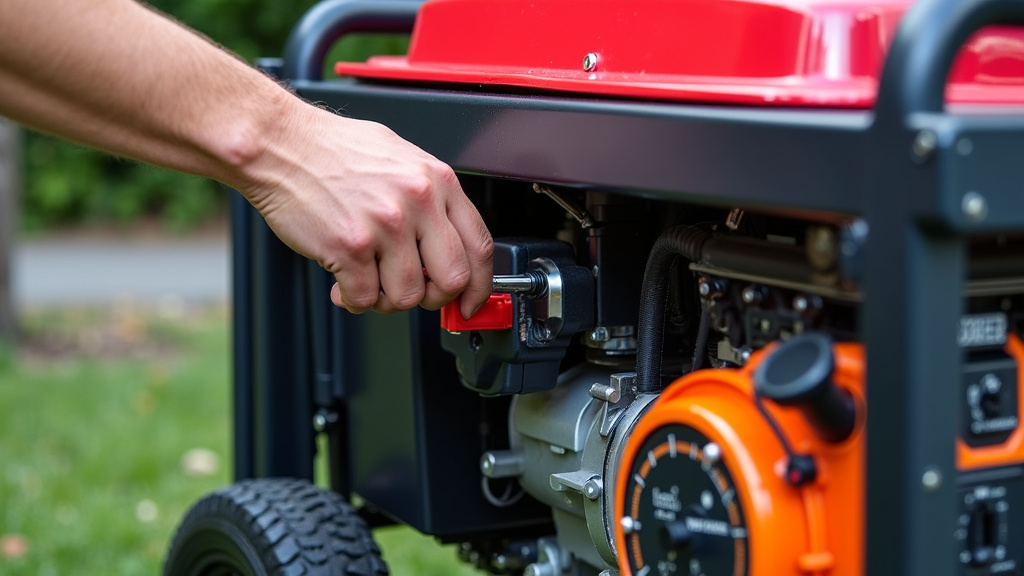
The starting sequence is controlled by the ignition switch and the wiring that connects everything. Problems here can interrupt the signal before it even reaches the battery or starter.
Issues with the Ignition Switch
The ignition switch is where you insert the key or press the start button. It routes power to various components, including the starter circuit. Like any switch, it can wear out or become damaged.
Symptoms: The start button might feel loose or unresponsive. Sometimes, the generator might start if you jiggle the key or switch. You might also notice other electrical components (like lights, if equipped) not working correctly.
How to check: You can test the continuity of the switch using a multimeter when it’s in the ‘start’ position. If there’s no continuity, the switch is likely bad. We found that many small engine ignition switches have several contacts, and one or more can fail (Small Engine Repair Forum).
The fix: A worn-out or damaged ignition switch needs replacement. Make sure to get the correct replacement part for your specific generator model.
Loose or Damaged Wiring
Think of the wiring as the nervous system of your generator. Any breaks, loose connections, or short circuits can prevent signals from getting where they need to go.
Symptoms: Intermittent starting issues, or a complete failure to start. You might also notice odd electrical behavior elsewhere on the generator.
How to check: Carefully inspect all visible wiring harnesses. Look for frayed wires, cracked insulation, or connections that have come loose from their terminals. Pay close attention to the connections at the battery, starter, solenoid, and ignition switch.
The fix: Tighten any loose connections. For damaged wires, you might be able to repair them with electrical tape or a crimp connector, but if the damage is extensive, consider replacing the entire harness section.
Other Potential Culprits
While the battery, starter, and ignition are the most common issues, other factors can prevent your generator from starting.
Fuel System Problems
While not directly related to the electric start *mechanism*, a lack of fuel or a fuel delivery problem will prevent the engine from starting *even if* the starter cranks. The starter might work perfectly, but the engine won’t catch.
Symptoms: The starter motor spins the engine, but it doesn’t fire up and run. You might also notice the engine sputtering or trying to catch but failing.
How to check: Ensure there’s fresh fuel in the tank. Check that the fuel valve is open. Inspect the fuel filter for clogs. You can also try a small amount of starting fluid directly into the carburetor intake to see if the engine will briefly run, indicating a fuel delivery issue.
The fix: Refill the tank with fresh fuel. Clean or replace the fuel filter. If the carburetor is clogged, it may need to be cleaned or rebuilt.
Safety Interlocks
Many generators have safety features that prevent starting under certain conditions. This could be a low oil sensor, a tilt sensor, or an open fuel cap sensor.
Symptoms: No crank or a crank that immediately stops. The generator simply refuses to start, and there are no obvious electrical failures.
How to check: Consult your generator’s manual. Check the oil level. Ensure the generator is on a level surface. Make sure the fuel cap is properly seated.
The fix: Address the condition that is triggering the safety interlock. For example, add oil if the level is low, or ensure the generator is level.
Internal Engine Problems
Less common, but possible, are internal engine issues like a seized engine or a major mechanical failure. These are usually accompanied by other symptoms like unusual noises or complete inability to rotate the engine by hand.
Symptoms: The starter engages, but the engine won’t turn over at all, or it makes a horrible grinding noise. The engine might also be impossible to turn manually.
The fix: These are serious mechanical issues that almost always require professional repair or replacement of the generator.
Quick Troubleshooting Checklist
When your generator’s electric start refuses to work, here’s a quick run-through to help pinpoint the problem:
- Check that your generator has adequate fuel.
- Inspect your battery terminals for corrosion and ensure they are tight.
- Test your battery voltage with a multimeter.
- Verify the ignition switch feels functional and secure.
- Listen for the click of the solenoid when trying to start.
- Review your generator’s manual for specific safety interlocks.
Conclusion
It’s a relief when you can get your generator back up and running. We’ve covered the most common reasons your electric start might be failing, from a simple dead battery to more complex issues like a faulty starter motor or wiring problems. Often, a quick check of your battery terminals or a fresh charge can solve the issue. If not, systematically working through the starter, solenoid, and ignition switch should help you pinpoint the problem. Don’t hesitate to consult your generator’s manual or a professional if you’re unsure about any step. Your next step should be to perform a visual inspection of your battery and its connections.
Frequently Asked Questions
How do I know if my generator battery is bad?
A battery might be bad if it won’t hold a charge after being properly charged, or if it shows a significantly low voltage (below 12 volts) when tested with a multimeter. Visible corrosion on the terminals can also be a sign of a weakened battery or poor connection.
Can I fix a clicking sound when I try to start my generator?
A single, loud click usually indicates the starter solenoid is engaging but not sending enough power to the starter motor. This often means the solenoid itself needs to be replaced. If you hear multiple rapid clicks, it could still be a weak battery or a poor connection.
My generator starts with a pull cord but not the electric start, what’s wrong?
This strongly suggests the engine itself is fine, but the electric starting system has a fault. Focus your troubleshooting on the battery, starter motor, solenoid, ignition switch, and all associated wiring. The issue is almost certainly within that specific electrical path.
How often should I test my generator’s electric start if I don’t use it often?
We recommend testing your generator’s electric start at least once every 3-6 months, even if you don’t have a power outage. This helps keep the battery charged and ensures the starting components are functional when you actually need them.
Is it safe to test the starter motor directly?
Testing the starter motor directly can be done, but it requires caution and knowledge of your specific generator’s setup. Always disconnect the battery first, ensure the generator is stable, and consult your owner’s manual for safety procedures before attempting any direct electrical testing.
