
How to Fix Generator Starting Then Shutting Off?
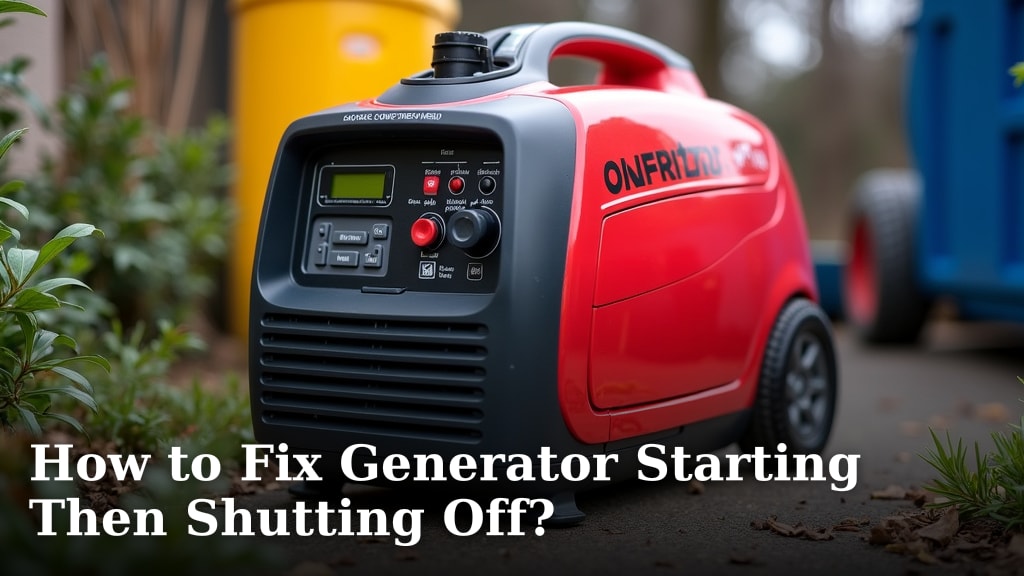
A generator starting and then shutting off is often caused by a fuel supply issue or a clogged air filter. You might also have a problem with the oil level or the generator’s spark plug. Let’s get your generator running smoothly again.
When your generator sputters to life only to die moments later, it can be frustrating, especially when you need power. We’ve found that common culprits usually involve simple maintenance tasks, not necessarily major repairs. Understanding these can save you time and money.
- Fuel issues are a common reason for this problem.
- A dirty air filter can choke your generator.
- Low oil levels can trigger automatic shutdowns.
- A faulty spark plug may prevent consistent running.
Let’s walk through the most likely reasons your generator won’t stay running and how you can fix it.
Troubleshooting Your Generator When It Won’t Stay Running
It’s a common frustration: you pull the starter cord, your generator roars to life, and then, just as quickly, it sputters and dies. You’re left wondering what went wrong and how to fix it. Don’t worry, this is usually a sign of a common issue that you can often resolve yourself without needing a repair technician.
We’ve found that most generator starting problems, especially the “start and shut off” kind, boil down to a few key areas. These are the very things that keep an engine from running smoothly. Let’s dive into them and get your generator back to being a reliable power source for you.
Checking the Fuel System: The Most Likely Culprit
Fuel is the lifeblood of your generator. If it’s not getting to the engine properly, or if the fuel itself isn’t clean, your generator won’t stay running. This is by far the most frequent reason we see this problem.
Ensuring You Have Fresh Fuel
Gasoline degrades over time. Old fuel can leave deposits and clog up your generator’s fuel system. This is especially true if your generator has been sitting for several months. We recommend using fresh fuel, ideally less than 30 days old.
Stale gas is like giving your car old, murky oil – it just won’t perform well. If you suspect your fuel might be old, it’s best to drain it and refill with fresh gasoline. You can usually find instructions in your generator’s owner’s manual on how to safely drain the fuel tank.
Inspecting the Fuel Cap and Lines
Sometimes, the simplest things are overlooked. A clogged fuel cap vent can create a vacuum in the fuel tank, preventing fuel from flowing. You’ll want to make sure the vent is clear. Look for debris or dirt around the fuel cap.
Next, check the fuel lines for any kinks or blockages. These are the small hoses that carry fuel from the tank to the engine. If you see a kink, gently straighten it. If you notice any cracks or damage, the line will need to be replaced. We’ve found that a tightly sealed cap can actually prevent fuel from getting to the engine.
Cleaning or Replacing the Fuel Filter
Many generators have a small fuel filter designed to catch debris before it enters the carburetor. Over time, this filter can become clogged. A clogged filter starves the engine of fuel, leading to it shutting off.
Your owner’s manual will show you where this filter is located. It’s usually found inline between the fuel tank and the carburetor. You can often clean it by rinsing it with a suitable solvent, but if it looks damaged or very dirty, it’s best to replace the fuel filter. This is a relatively inexpensive part that can make a big difference.
The Carburetor: A Common Bottleneck
The carburetor is responsible for mixing fuel and air in the correct ratio for combustion. If it’s dirty or clogged, the engine won’t get the right mixture, causing it to stall. Gum and varnish deposits from old fuel are common culprits here.
Cleaning a carburetor can be a bit more involved. You may need to remove it from the generator. Many people find success using a specialized carburetor cleaner spray. If you’re not comfortable with this, it might be time to call in a professional. However, for many DIYers, a thorough cleaning is manageable. We found that clearing the jets within the carburetor is often the key step.
The Air Filter: Letting Your Generator Breathe
Just like you, your generator’s engine needs clean air to run. The air filter prevents dirt and debris from entering the engine. If it’s clogged, the engine can’t get enough air, leading to a rich fuel mixture and eventual shutdown.
Inspecting and Cleaning the Air Filter
Locate your generator’s air filter. It’s usually housed in a plastic or metal casing. Remove the cover and take out the filter. You’ll likely see that it’s dirty, especially if you’ve been using your generator in dusty conditions.
For paper filters, if they are very dirty, they usually need to be replaced. You can try gently tapping them to dislodge loose dirt, but avoid washing them unless the manufacturer specifically states it’s okay. Foam filters can often be washed with soap and water, then dried thoroughly before being reinstalled. Some foam filters require a light coating of oil. Always consult your owner’s manual for the correct procedure.
When to Replace the Air Filter
Filters are wear-and-tear items. If your filter looks brittle, torn, or excessively dirty even after cleaning, it’s time for a new one. Using a damaged air filter is almost as bad as having no filter at all. We found that a clean air filter is essential for efficient engine operation.
The Role of Oil in Generator Operation
Your generator has a low-oil shutdown sensor. This is a safety feature designed to protect the engine from damage if the oil level gets too low. If the oil level is critically low, the generator will start but then shut off to prevent serious internal damage.
Checking and Adding Oil
Locate the oil dipstick. Most generators have one easily accessible. Ensure the generator is on a level surface. Pull out the dipstick, wipe it clean, reinsert it fully, and pull it out again. Check the oil level against the markings on the dipstick.
If the oil level is below the “add” or “low” mark, you need to add the correct type of oil. Your owner’s manual will specify the type and viscosity (e.g., 10W-30). Add oil slowly and check the level frequently until it reaches the “full” mark. Overfilling can also cause problems, so aim for the recommended level. We found that keeping your oil at the correct level is crucial for engine longevity.
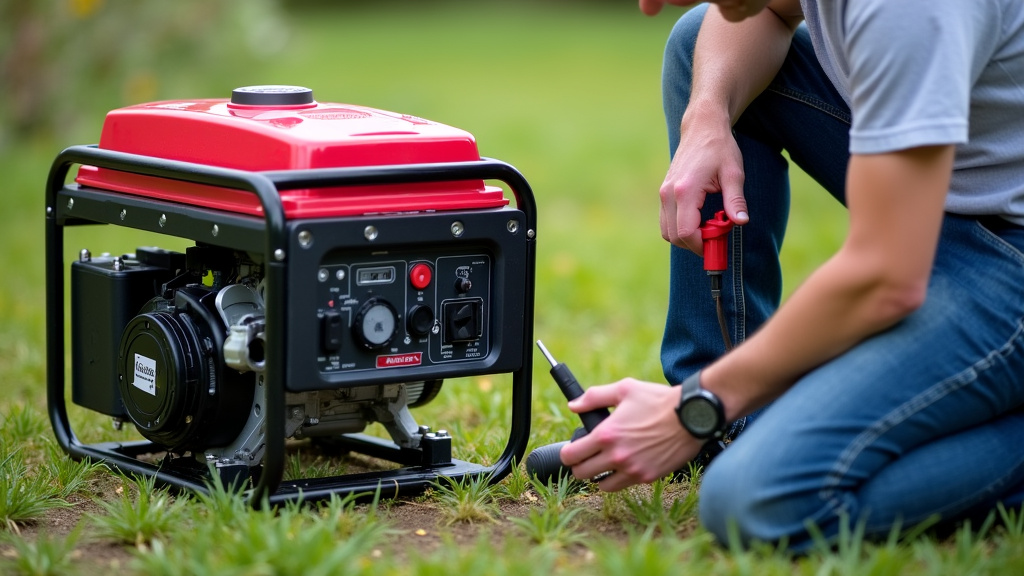
The Spark Plug: The Ignition Source
The spark plug is responsible for igniting the fuel-air mixture in the combustion chamber. If the spark plug is worn, fouled, or not properly gapped, it may not produce a strong enough spark, or it might miss firing altogether, causing the engine to shut down.
Inspecting the Spark Plug
With the engine cool, you can remove the spark plug. You’ll need a spark plug wrench for this. Carefully disconnect the spark plug wire. Then, use the wrench to unscrew the plug. Examine the tip of the spark plug. It should be a light tan or grayish-brown color. Black, oily, or white deposits can indicate problems.
Cleaning, Gapping, or Replacing
If the spark plug is just dirty, you can often clean it gently with a wire brush. You’ll also need to check the gap between the electrodes using a feeler gauge and adjust it according to your generator’s specifications (found in the manual). If the spark plug is heavily fouled, damaged, or very old, it’s usually best to replace the spark plug. They are relatively inexpensive and a common cause of starting issues.
Other Potential Issues to Consider
While fuel, air, oil, and spark are the most common reasons, a few other things could be at play.
Ventilation and Overheating
Generators need proper airflow to stay cool. If your generator is enclosed in a tight space, or if vents are blocked, it can overheat. Most generators have thermal overload protection that will shut them down to prevent damage. Ensure your generator has adequate ventilation and isn’t running too hot.
Carbon Monoxide (CO) Sensor Issues
Many modern portable generators have a built-in CO sensor that will shut the unit down if dangerous levels of carbon monoxide are detected. If your generator is shutting off unexpectedly, especially if you’ve recently run it indoors or in an unventilated area, the CO sensor might be detecting high levels. Never run a generator indoors or in an enclosed space like a garage. Always operate it outdoors and away from windows and doors.
Circuit Breaker Trips
If you’re trying to power a load and the generator shuts off, it might be due to an overloaded circuit. Check if you’ve plugged in too many appliances or a single appliance that draws too much power. Try running the generator with no load connected to see if it stays running. If it does, you have an issue with the electrical load you’re trying to power, not the generator itself.
Checklist for Quick Troubleshooting
Here’s a quick rundown to help you diagnose the problem:
- Fuel Check: Is your fuel fresh? Is the cap vent clear? Are fuel lines unobstructed?
- Air Filter: Is it clean and free of debris? Does it need replacement?
- Oil Level: Is the oil at the correct operating level?
- Spark Plug: Is it clean, properly gapped, and in good condition?
- Ventilation: Is the generator receiving adequate airflow?
- Circuit Breaker: Are you attempting to run an excessive load?
By systematically going through these common issues, you can often pinpoint why your generator starts and then shuts off and get it running reliably again. Most of these are simple maintenance tasks that keep your generator in good working order.
Conclusion
You’ve now got a solid understanding of why your generator might be starting and then shutting off. We’ve walked through the most common culprits, from stale fuel and dirty air filters to low oil and faulty spark plugs. Often, a simple check and a bit of maintenance can get your generator purring again. Don’t let a temporary glitch leave you in the dark. Your next step is to grab your owner’s manual and systematically go through the troubleshooting checklist we provided to get your generator back in reliable service.
Frequently Asked Questions
How often should I change the fuel in my generator?
We recommend using fuel that is less than 30 days old. Gasoline degrades over time, and stale fuel can cause starting and running issues. If your generator has been sitting for a while, it’s a good idea to drain the old fuel and refill with fresh gasoline.
Can a dirty air filter really cause my generator to shut off?
Yes, absolutely. A clogged air filter restricts the airflow your engine needs to run. This leads to an improper fuel-air mixture, which can cause the engine to stall shortly after starting. Keeping your air filter clean is essential for optimal performance.
My generator’s oil level is fine, but it still shuts off. What else could it be?
While low oil is a common shutdown trigger, other issues could be at play. Ensure your spark plug is clean and properly gapped. Also, check for any kinks or blockages in the fuel lines, and make sure the fuel cap vent isn’t obstructed. A dirty carburetor can also cause this problem.
Is it safe to clean my generator’s spark plug myself?
Yes, for most DIYers, cleaning a spark plug is a manageable task. You’ll need a spark plug wrench to remove it and a wire brush to clean off deposits. Remember to check and adjust the gap to your generator’s specifications. If the plug appears heavily fouled or damaged, replacement is usually the best option.
My generator keeps shutting off after a few minutes, even with a new spark plug and fresh fuel. What should I do?
If you’ve addressed the fuel and spark plug, the next likely culprit is the air filter or the carburetor. Inspect your air filter closely for any dirt or damage. If the filter looks good, the carburetor might be clogged with gum or varnish from old fuel. You may need to clean it or seek professional help for this step.
