
How to Maintain a Dual Fuel Generator Schedule?
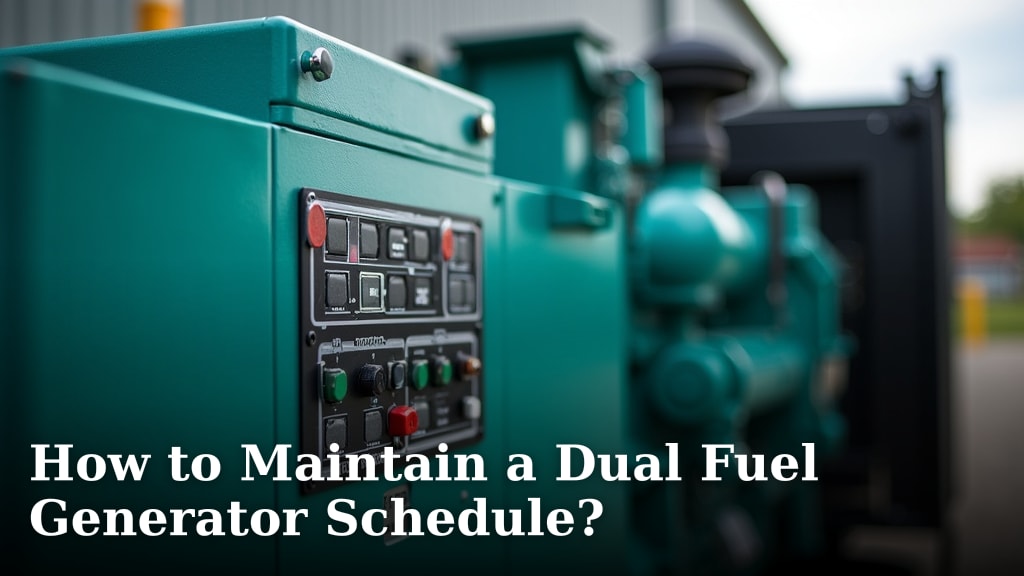
Maintaining a dual fuel generator schedule is essential for ensuring your equipment is always ready when you need it. You need a consistent routine to keep both your gasoline and propane systems in top working order. This prevents unexpected issues during emergencies and prolongs your generator’s lifespan.
Think of it like a car tune-up, but for your power backup. Regular checks help catch small problems before they become big, costly headaches. Many experts recommend a schedule that balances the use of both fuel types. This ensures you’re familiar with each fuel’s operation and storage needs.
TL;DR:
- Regular checks keep your generator ready.
- Balance gasoline and propane usage.
- Inspect fuel lines and filters often.
- Test both fuel types periodically.
- Keep a log of maintenance activities.
Below, we’ll walk you through how to set up and stick to a maintenance schedule that works for your dual fuel generator.
Keeping Your Dual Fuel Generator Running Smoothly
You’ve made a smart choice investing in a dual fuel generator. It offers flexibility. You can power your home with gasoline or propane. But how do you ensure it’s always ready to go? It’s all about a good maintenance schedule. Think of it as a regular check-up for your backup power source. This keeps both fuel systems in tip-top shape. It also prevents costly repairs down the line.
Establishing Your Generator’s Maintenance Rhythm
Setting up a schedule might seem daunting. But we can break it down into manageable steps. The key is consistency. We want to make sure you’re comfortable with both fuel types. This way, you’re prepared no matter what.
Understanding Your Generator’s Needs
First, consult your generator’s owner’s manual. It’s your best friend for specific maintenance tasks. It will detail recommended service intervals. It also lists the exact parts you’ll need. Every model is a little different. So, your manual is the ultimate guide.
Fuel-Specific Maintenance Tasks
Your dual fuel generator has two distinct fuel systems. Each needs attention. We’ll look at gasoline and propane separately.
Gasoline System Care
Gasoline can go bad over time. This is especially true if it’s left sitting. Old gasoline can clog fuel lines and carburetors. This is a common reason for generators not starting. We found that using a fuel stabilizer can help extend gasoline’s shelf life. Add it when you store gasoline. Experts suggest draining the fuel tank if the generator will be unused for more than 30 days (Consumer Reports).
Regularly check the fuel filter. A dirty filter restricts fuel flow. This can cause poor performance. We recommend inspecting it every 100 hours of operation or annually. Replacing it is usually a simple job.
The air filter also needs attention. A clogged air filter makes the engine work harder. It can lead to decreased power output. Check it every 50 hours of run time. Clean or replace it as needed. A clean air filter helps your generator breathe easier. Consider a portable dual fuel generator for AC needs.
Propane System Care
Propane is more stable than gasoline. It doesn’t degrade in the same way. However, you still need to be careful. Ensure your propane tanks are stored correctly. Keep them upright in a well-ventilated area. Avoid extreme temperatures.
Inspect the propane hoses and connections for any signs of damage. Look for cracks, kinks, or leaks. A small leak can be dangerous. You can check for leaks using a soap and water solution. Apply it to the connections. If bubbles form, you have a leak. Turn off the gas immediately and fix it.
Make sure the regulator is functioning correctly. It controls the flow of propane to the generator. If it’s faulty, the generator won’t run properly. Most dual fuel generators have a built-in regulator. Consult your manual for its specific maintenance needs.
Your Dual Fuel Generator Maintenance Checklist
Here’s a simple checklist to get you started. Adapt it to your generator’s specific requirements.
- Monthly: Check fuel levels for both gasoline and propane. Inspect propane hoses for visible damage.
- Quarterly: Start the generator on gasoline and run it for 15-20 minutes. Start it on propane and run it for 15-20 minutes. This keeps seals lubricated and components active. Explore the best dual fuel generator for power outages.
- Every 6 Months: Inspect and clean or replace the air filter. Check spark plugs for wear and tear.
- Annually (or per manual): Change the oil. Inspect and clean or replace the fuel filter. Inspect the battery terminals for corrosion.
- As Needed: Address any unusual noises or performance issues immediately.
The Importance of Running Both Fuel Types
It’s tempting to stick with one fuel type. Many owners prefer propane for its stability. However, experts advise rotating your fuel usage (Generator Hub). This ensures all parts of the system get exercised. Running on gasoline periodically helps prevent gumming in the carburetor. It keeps those components clean and ready.
Conversely, if you primarily use gasoline, running on propane now and then is beneficial. It ensures the propane system is also functioning. This rotation strategy helps maintain the overall health of your generator. It prepares it for any situation.
When to Test and Exercise Your Generator
Regularly testing your generator is non-negotiable. Think of it as a fire drill for your power backup. You wouldn’t wait for a real emergency to test your smoke alarm, right?
We recommend running your generator under load at least once a month. This means connecting it to something that draws power. Running it without a load doesn’t fully exercise the engine. It doesn’t simulate real-world conditions. Aim for about 30-50% of its rated capacity. This helps burn off any carbon buildup. It also ensures the generator can handle the demand when you need it most.
Keeping Records: Your Generator’s Health Log
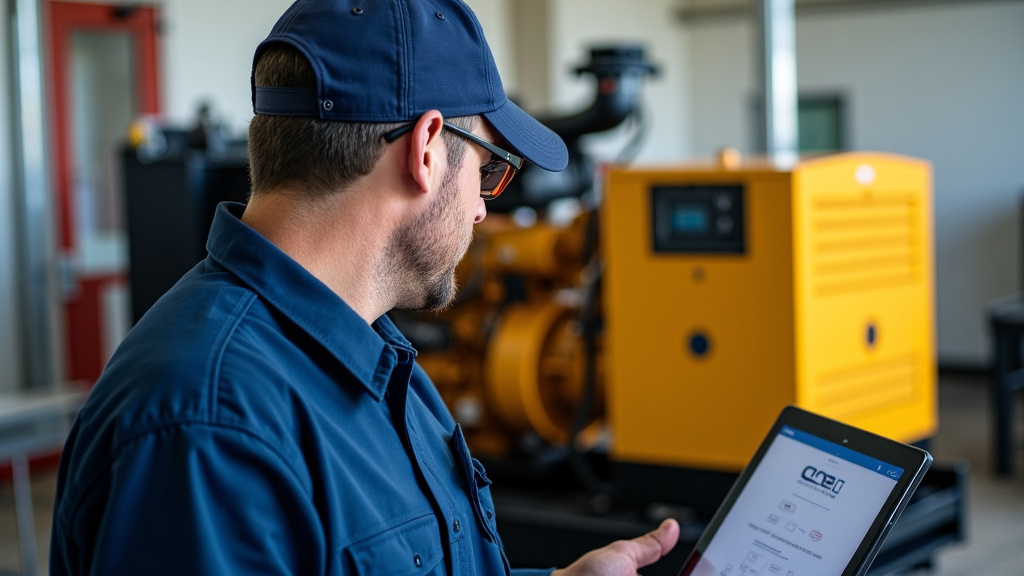
A maintenance log is a simple yet powerful tool. It helps you track what you’ve done and when. This is useful for remembering service intervals. It’s also handy if you ever need to troubleshoot issues. Many people find a simple notebook works well. Others prefer a digital spreadsheet.
What should you record?:
- Date of service
- Type of maintenance performed (e.g., oil change, filter replacement)
- Fuel type used for testing
- Total run hours (if your generator has an hour meter)
- Any observations or issues noted
This log becomes a history of your generator’s health. It’s like a medical chart for your machine. It can even be helpful if you decide to sell it later.
Troubleshooting Common Dual Fuel Generator Issues
Even with perfect maintenance, things can happen. Here are a few common issues and what to check.
Generator Won’t Start on Gasoline
This often points to fuel problems. Check the fuel level. Is there fresh gasoline in the tank? Have you used a fuel stabilizer? If the fuel is old, it may need to be drained and replaced. Next, inspect the fuel filter. A clogged filter is a frequent culprit. Also, check the air filter. A severely dirty air filter can prevent starting.
Generator Won’t Start on Propane
First, ensure the propane tank is connected properly. Is the valve on the tank open? Check the propane hose for kinks or damage. Ensure the connection to the generator is secure. Sometimes, the propane regulator might be faulty. If you smell gas, turn off the supply immediately.
Generator Runs Rough or Loses Power
This could be a dirty air filter or fuel filter. These restrict the engine’s ability to get what it needs. Spark plugs can also cause issues. If they are worn or fouled, combustion won’t be optimal. Make sure you’re running the generator under a reasonable load. Light loads can sometimes cause engines to run rough.
When to Call a Professional
While many maintenance tasks are DIY-friendly, don’t hesitate to call a professional. If you’re uncomfortable with a task, it’s always best to get expert help. Complex electrical issues or engine problems are best left to trained technicians. Your owner’s manual will often list recommended service centers. Trust your instincts; if something seems off, a professional can diagnose it safely.
Conclusion
You’ve learned how to build a solid maintenance rhythm for your dual fuel generator. Keeping up with both gasoline and propane systems ensures reliable power when you need it most. Regularly checking filters, running both fuel types, and keeping a log are key steps. They help prevent surprises and extend your generator’s life. Your next step is to grab your generator’s manual and schedule your first monthly check. Get ahead of potential issues and power up with confidence!
Frequently Asked Questions
How often should I switch between gasoline and propane for testing?
We recommend running your generator on each fuel type at least quarterly. This quarterly exercise helps keep the seals lubricated and components active for both systems. It ensures your generator is ready for whichever fuel you choose.
What’s the best way to store gasoline for my generator long-term?
To store gasoline, always use a fuel stabilizer. Research shows this can significantly extend its shelf life. If you plan to store it for over 30 days, consider draining the tank to prevent gumming.
Can I use the same spark plugs for both gasoline and propane modes?
Generally, yes. Most dual fuel generators use the same spark plug for both fuel types. However, always consult your owner’s manual to confirm. It will list the specific type of spark plug your model requires.
My generator is making a strange noise. Should I still run it on its schedule?
No, if you hear unusual noises or notice performance issues, stop immediately. Address the problem before continuing your regular maintenance schedule. Running a damaged generator can cause more extensive and costly repairs.
Is it okay to run my generator on propane all the time if I prefer it?
While propane is convenient, running solely on it isn’t ideal for long-term generator health. Research suggests periodic use of gasoline helps prevent the carburetor from gumming up. Rotating fuel types keeps all components exercised and clean.
