
What Do You Need to Maintain a Dual Fuel Generator Schedule?
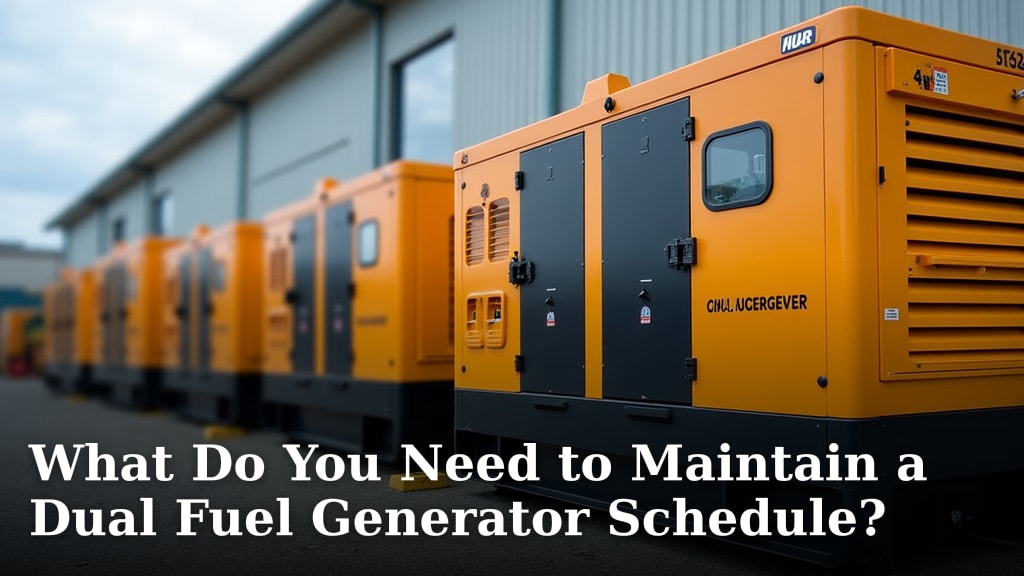
Maintaining a dual fuel generator schedule is essential for reliable backup power. It ensures your generator is always ready, whether you run on gasoline or propane, and helps prevent costly breakdowns. This schedule involves regular checks and specific fuel management steps.
You need to consider fuel type, run time, and storage for optimal performance. Following a consistent maintenance plan will keep your generator in tip-top shape. It’s like giving your backup power a regular health check-up, so it’s ready when you need it most.
- Regularly check fuel levels and condition.
- Test run your generator periodically.
- Rotate fuel sources if using multiple types.
- Inspect for leaks and wear.
Let’s walk through exactly what you need to do to keep your dual fuel generator humming smoothly and ready for action.
Keeping Your Dual Fuel Generator Ready: A Maintenance Schedule
Ensuring your dual fuel generator is always ready is all about a smart maintenance schedule. This means regular check-ups for both its gasoline and propane capabilities. You want to avoid any nasty surprises when the power goes out. Let’s break down what you need to do.
Fuel Management: The Heart of Dual Fuel Reliability
Since you have two fuel options, managing them is key. It’s not just about filling them up; it’s about keeping them fresh and accessible. Since you have two fuel options, managing them is key. Our guide explains how to start a dual fuel generator on propane.
Gasoline Storage and Rotation
Gasoline can go bad. It’s a fact of life, like taxes. We’re talking about fuel degradation. Over time, gasoline can form gum and varnish. This gunk can clog your generator’s fuel system. That’s a big no-no when you need power.
Many experts suggest using a fuel stabilizer. This little additive can help prevent degradation. It’s like a bodyguard for your gasoline. For most stabilizers, you’ll want to add them to the fuel tank. Then, run the generator for a few minutes. This circulates the treated fuel throughout the system.
How often should you rotate your gasoline? If you use your generator regularly, you might burn through it faster. But if it sits for a while, aim to drain and refill the tank at least every 6 to 12 months. Some guidelines from organizations like the EPA suggest even more frequent rotation for optimal performance.
Propane (LPG) Considerations
Propane is a different beast. It’s much more stable than gasoline. It doesn’t really “go bad” in the same way. In fact, propane can sit in its tank for years without degrading.
So, what’s the maintenance here? It’s more about the tanks and connections. Check your propane tanks for any signs of damage, rust, or leaks. You’ll want to ensure the valves are working correctly.
If you’re using portable propane tanks, make sure they are stored properly. Keep them upright and away from extreme heat or open flames. Remember, propane is stored under pressure.
A good practice for dual fuel users is to rotate your propane tanks. This ensures you’re not always relying on the same tank. If one tank runs low or has an issue, you have a backup ready. This also gives you a chance to inspect each tank.
Switching Between Fuels
Most dual fuel generators are designed to run on one fuel at a time. You typically don’t mix them. You’ll need to shut down the generator completely before switching fuel sources.
Consult your owner’s manual for the specific procedure. It usually involves turning off the engine, then switching the fuel selector valve. Some models might require you to disconnect the unused fuel source entirely. Doing this correctly prevents potential damage to the engine or fuel system.
Regular Inspections: Catching Problems Early
Your generator is a machine, and machines need looking after. Regular visual checks can save you a lot of headaches down the road.
Checking for Leaks
This is super important. You need to check for any signs of fuel leaks, whether it’s gasoline or propane. Look around the fuel lines, connections, and the tank itself.
For gasoline, you might see wet spots or smell raw fuel. For propane, you can often use a soapy water solution. Apply it to the connections and valves. If you see bubbles forming, you have a leak. Don’t ignore these! A small leak can quickly become a big, dangerous problem.
Inspecting for Wear and Tear
Go over the generator’s exterior. Look for any loose wires, frayed cords, or damaged parts. Check the air filter; a dirty filter can affect performance. Many generators have easily accessible filters that you can clean or replace.
Don’t forget the generator’s frame and housing. Ensure everything is secure. If you notice any rust or corrosion, clean it up and consider applying a protective coating.
The Importance of Test Runs
You wouldn’t buy a car and never start it, right? Your generator is similar. It needs to be run periodically to ensure it’s in working order.
Why Test Runs Matter
Test runs do a few critical things. First, they keep the engine’s internal parts lubricated. Sitting idle for too long can cause parts to seize up. Second, it allows you to check that the generator starts and runs smoothly on both fuel types.
Third, running it helps you confirm that the electrical components are functioning. You can even plug in a small load, like a lamp, to make sure it’s producing power.
How Often and How Long?
Many manufacturers recommend running your generator for about 15-30 minutes every month. This is a good rule of thumb for most home backup generators. During this run, switch between fuel sources if possible, to ensure both are functional.
You can even use these test runs to cycle your fuel. If you’re using gasoline, this is a perfect opportunity to use up the treated fuel before refilling. Remember to let the generator cool down before switching fuels or shutting it off for extended periods.
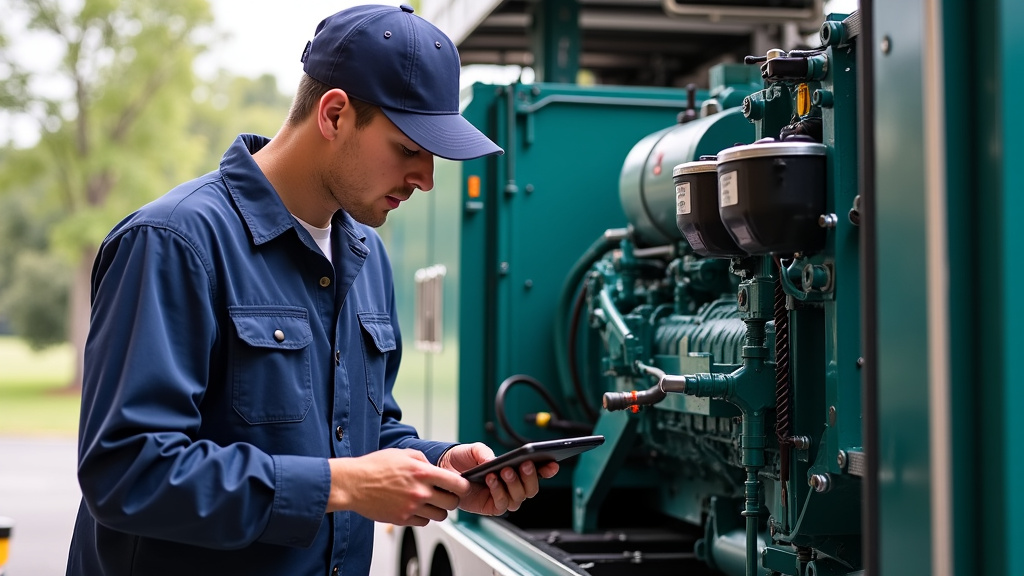
Generator Maintenance Checklist
Here’s a quick rundown of what you should be doing:
- Monthly: Perform a 15-30 minute test run on both fuel types.
- Monthly: Check for any obvious fuel or oil leaks.
- Every 6-12 Months: Rotate or stabilize gasoline fuel.
- Every 6-12 Months: Inspect propane tanks and connections thoroughly.
- Annually (or as per manual): Check and clean/replace the air filter.
- Annually: Inspect spark plugs and clean/replace if necessary.
Consulting Your Owner’s Manual is Key
Every generator is a bit different. What applies to one might not be exactly the same for another. Your owner’s manual is your best friend here. It contains specific maintenance recommendations tailored to your model.
It will tell you the recommended intervals for oil changes, spark plug replacement, and air filter service. It will also detail the correct procedure for switching fuel types and any specific safety warnings. Don’t toss that manual! Keep it somewhere accessible.
Understanding Your Generator’s Run Time Limits
Dual fuel generators have different run times depending on the fuel used and the load. Generally, propane might offer slightly less runtime than gasoline on a full tank of equivalent size, but this can vary greatly.
Understanding your generator’s estimated run time is crucial for planning. For example, if you know a storm might last for 24 hours, you need to ensure you have enough fuel. This might mean having multiple propane tanks or a safe place to store stabilized gasoline.
Check your manual for specific run times under different load conditions. This helps you avoid overworking the generator. Overloading can cause it to overheat or shut down, which is exactly what you don’t want during an outage.
Conclusion
Keeping your dual fuel generator ready means staying on top of its fuel and mechanical needs. You’ve learned how to manage both gasoline and propane effectively. Regular checks, fuel rotation, and periodic test runs are your best defense against unexpected issues. Your owner’s manual is your ultimate guide for model-specific care. By implementing these practices consistently, you ensure your generator offers reliable backup power whenever you need it most. Your next step is to review your current schedule and incorporate these essential maintenance tasks to protect your investment and your peace of mind.
Frequently Asked Questions
How often should I really test run my dual fuel generator?
Most manufacturers recommend a monthly test run for about 15 to 30 minutes. This helps keep the engine lubricated and ensures both fuel systems are ready. It’s also a great time to check for any unusual noises or performance issues.
Can I store propane tanks indefinitely without issues?
Propane itself is very stable and doesn’t degrade like gasoline. However, you should still inspect your propane tanks regularly for rust or damage to the tank and its connections. Rotating your tanks also ensures you’re always using one in good condition.
What’s the best way to check for propane leaks on my generator?
The most effective method is using a soapy water solution. Apply it to all connections and valves where propane flows. If you see bubbles forming, you have a leak that needs immediate attention. Never use a flame to check for leaks.
Is it okay to leave gasoline in the tank long-term if I use a stabilizer?
While a fuel stabilizer helps prevent degradation, it’s still best practice to rotate your gasoline every 6 to 12 months. Running the generator during test runs helps circulate the stabilized fuel, but fresh fuel is always ideal for the longest engine life.
What happens if I try to switch fuel types while the generator is running?
Switching fuel sources while the engine is running can cause serious damage to the fuel system and engine. Always shut down the generator completely before moving the fuel selector valve or disconnecting/connecting fuel sources.
