
What Is the Safest Way to Check Generator Carbon Monoxide Safety?
The safest way to check generator carbon monoxide (CO) safety is to **install CO alarms** on every level of your home and near sleeping areas, and to **never run a generator indoors** or in an attached garage. Carbon monoxide is a deadly, odorless gas produced by generators, and even a short exposure can be fatal. Your family’s safety is the top priority.
Running a generator too close to your home’s vents or windows can also be incredibly dangerous. It’s essential to understand the proper placement and usage guidelines. Many carbon monoxide poisonings happen because people aren’t aware of the risks or don’t take the necessary precautions when using portable generators.
- Always place generators outdoors.
- Keep them far from doors and windows.
- Install working carbon monoxide alarms.
- Test your alarms regularly.
Let’s walk through exactly how to keep your home and loved ones safe when using a generator.
“`htmlKeeping Your Home Safe From Generator Dangers
When you rely on a generator, you’re taking a smart step to keep your lights on. But it also means facing a hidden threat: carbon monoxide. This gas is dangerous. It’s produced by engines running on fuel like gasoline or propane. Your generator is no different. It’s odorless and colorless. You can’t see it or smell it. That’s why it’s so important to be aware. We’ll walk you through the safest ways to check and ensure your generator use doesn’t put anyone at risk.
Understanding the Invisible Threat: Carbon Monoxide
Carbon monoxide, or CO, is a byproduct of burning fuel. Generators burn fuel to create electricity. This process releases CO into the air. When you breathe it in, it mixes with your blood. It prevents your body from getting the oxygen it needs. This is often called CO poisoning. Even small amounts can cause serious harm. High levels can be deadly very quickly. It’s a silent killer. You won’t know it’s there until it’s too late.
How CO Affects Your Body
Think of your blood like tiny delivery trucks. They carry oxygen all over your body. Carbon monoxide acts like a traffic jam. It jumps onto the trucks and takes up all the space. Now, there’s no room for oxygen. Your brain and heart need a lot of oxygen. When they don’t get enough, they start to shut down. Symptoms can feel like the flu. You might get a headache, feel dizzy, or nauseous. You could also become weak or confused. In severe cases, it leads to unconsciousness and death.
Why Generators Are a CO Risk
Portable generators are common during power outages. They are incredibly useful. But they are also a major source of CO poisoning. This is because they are often used in situations where people might not think about ventilation. Running a generator in a garage, basement, or even too close to windows is a direct pathway for CO into your home. Many incidents happen because people don’t realize how quickly CO can build up.
Your First Line of Defense: CO Alarms
The absolute best way to protect yourself is to install carbon monoxide alarms. These devices are like smoke detectors, but for CO. They will sound an alarm if CO levels get too high. This gives you a **critical warning** to get everyone to fresh air.
Where to Install Your CO Alarms
It’s not enough to just have one alarm. You need to cover your bases. Experts recommend placing alarms on **every level of your home**. This includes your basement and any finished attics. You also need alarms **near sleeping areas**. This is crucial. Many poisonings happen while people are asleep. They don’t wake up to the danger. Place alarms in hallways outside bedrooms. Make sure they are not too close to heating vents or bathrooms. These can sometimes cause false alarms.
Testing and Maintaining Your Alarms
Think of your CO alarms like your car’s tires. You need to check them regularly. Most alarms have a test button. Push it once a month to make sure it’s working. Also, check the batteries. Replace them at least once a year. Or follow the manufacturer’s instructions. Many alarms also have a lifespan. They need to be replaced every 5-10 years. Look for the manufacture date on the back.
Choosing the Right CO Alarms
There are different types of CO alarms. Some are battery-powered. Others are hardwired into your home’s electrical system. Many modern alarms are **combination units**. They detect both smoke and carbon monoxide. This can be a convenient option. When buying, look for alarms that are **UL-listed**. This means they meet safety standards set by Underwriters Laboratories. Read reviews and choose a reputable brand.
Generator Placement: The Golden Rules
This is where many accidents happen. Improper placement is a leading cause of CO poisoning. Even with alarms, you must also focus on preventing CO from entering your home in the first place.
Outdoors is Non-Negotiable
You should **never, ever run a generator inside your home**. This includes your garage, basement, crawl space, or even a shed. Generators must be run **outdoors**. This provides the ventilation needed to safely disperse CO. Think of it like a campfire. You wouldn’t build one in your living room. A generator needs a similar amount of fresh air. The U.S. Consumer Product Safety Commission (CPSC) strongly advises this.
Distance is Your Friend
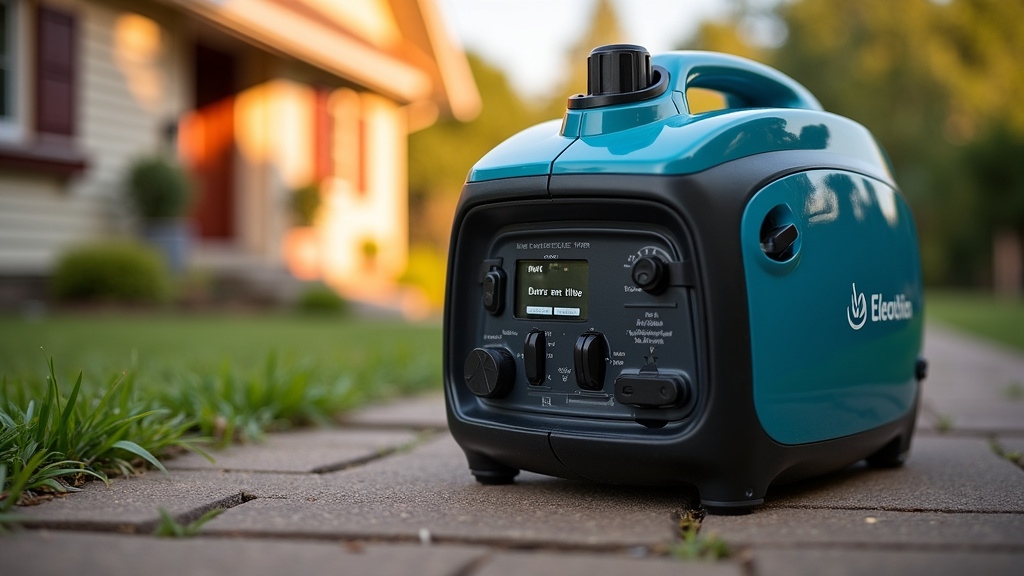
Running a generator outdoors is good. Running it **far away from your home** is even better. CO can be drawn into your home through open windows and doors. It can also enter through vents. Position your generator at least **20 feet away** from your house. Ensure the exhaust is pointed away from any openings. This includes windows, doors, and vents. This distance is a key part of generator carbon monoxide safety.
What About Attached Garages?
An attached garage is too close, even if the door is open. The garage itself is part of your home’s structure. CO can seep through small cracks and openings. It can also get into your home through the ventilation system. So, an attached garage is considered an indoor space for generator use. **Never run a generator in an attached garage**, even with the door wide open.
Considering Neighbors and Pets
Generator exhaust can also affect your neighbors. Be mindful of where the exhaust is blowing. You don’t want it drifting into their homes or yards. Also, remember that pets can be affected by CO. Ensure they are also kept away from generator exhaust. They can be just as vulnerable as people.
Generator Safety Checklist: Quick Reminders
Here’s a quick rundown to keep these points top of mind:
- Install CO Alarms: On every level and near sleeping areas.
- Test Alarms Monthly: Check batteries and replace as needed.
- Generator Outdoors Only: Never inside, in garages, or basements.
- Keep Your Distance: At least 20 feet from your home’s openings.
- Point Exhaust Away: Ensure it blows away from doors, windows, and vents.
- Read the Manual: Always follow the manufacturer’s specific safety instructions.
What to Do If Your CO Alarm Sounds
If your carbon monoxide alarm goes off, don’t ignore it. It’s a serious warning. Your first and most important action is to **get everyone outside to fresh air immediately**. Once you are safely outside, call 911. Don’t try to reset the alarm or go back inside until emergency responders say it’s safe. They can check for CO levels and make sure everyone is okay. It’s always better to be safe than sorry when it comes to potential CO exposure.
“` “`htmlConclusion
Keeping your home and family safe from generator carbon monoxide is a serious responsibility. You’ve learned that the best defense starts with having working CO alarms on every floor and near sleeping areas. Remember to test them monthly. It’s also critical to always operate your generator outdoors, at least 20 feet away from any windows or doors. Never run it in a garage, even with the door open. Take these steps to prevent CO from entering your home in the first place. For ongoing peace of mind, make checking these safety measures a routine part of your generator use.
Frequently Asked Questions
How often should I test my carbon monoxide alarms?
You should test your carbon monoxide alarms at least once a month. Use the test button on the alarm itself. This ensures the device is functioning correctly. Also, remember to replace the batteries at least once a year, or whenever the alarm signals low battery.
What is the minimum distance a generator should be from my house?
Experts recommend placing your generator at least 20 feet away from your home. This distance helps ensure that exhaust fumes, which contain carbon monoxide, are properly dispersed outdoors. Always point the generator’s exhaust away from any doors, windows, or vents.
Can I run a generator in an attached garage with the door open?
No, you should never run a generator in an attached garage, even with the door open. An attached garage is considered an indoor space connected to your home’s structure. Carbon monoxide can easily seep through small openings or ventilation systems, posing a serious risk.
What should I do if my carbon monoxide alarm sounds while the generator is running?
If your carbon monoxide alarm sounds, it’s an emergency. Immediately get everyone outside to fresh air. Once you are safely outside, call 911. Do not go back inside until emergency responders have cleared the area and determined it is safe.
Are combination smoke and CO detectors a good option for generator safety?
Yes, combination smoke and carbon monoxide detectors can be a convenient option. They provide protection against both fire and CO poisoning. Ensure they are installed on every level of your home and near sleeping areas, just like separate CO alarms.
“`