
What Do You Need to Secure a Generator Against Theft?
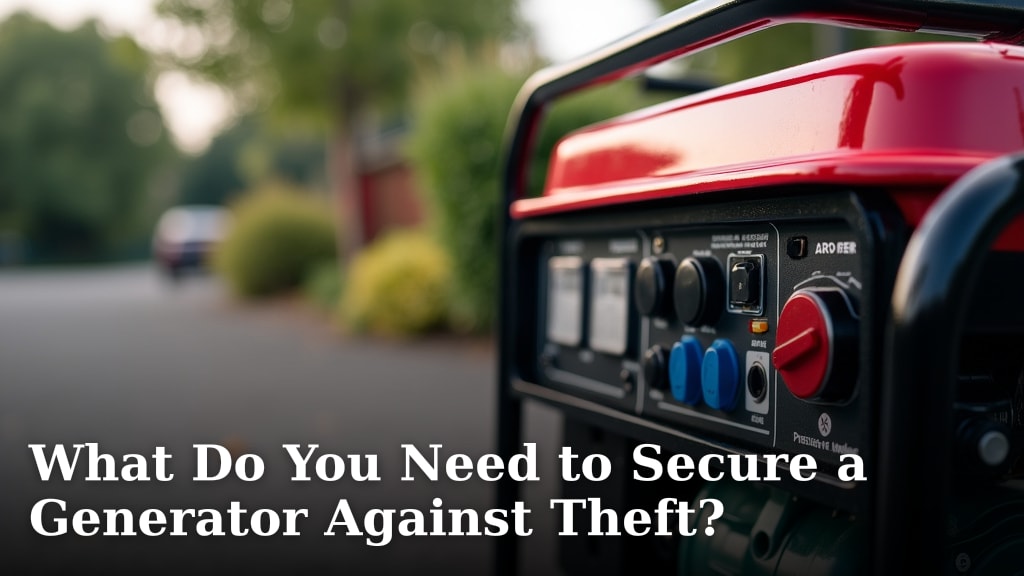
To secure a generator against theft, you need a combination of physical security measures and smart placement. This often means using heavy-duty locks, chains, or cables, and keeping your generator in a visible, well-lit area. Think of it like protecting any other valuable possession.
Generators are prime targets for thieves, especially during power outages. Research indicates that making your generator harder to steal is key. This includes considering security systems and marking your generator. Thinking ahead can save you a lot of trouble and expense.
- Use sturdy locks and chains.
- Park your generator in a visible spot.
- Consider adding security lights.
- Mark your generator for identification.
- Bolt it down if possible.
Let’s walk through the best ways to keep your generator safe and sound, so you can have peace of mind when you need it most.
How to Guard Your Generator From Sticky Fingers
Generators are fantastic tools. They provide power when you need it most. But they can also attract unwanted attention. Thieves often target generators, especially during emergencies. We’ve put together some straightforward ways to protect your generator from theft. Think of it as giving your generator its own security detail.
Physical Barriers: Your First Line of Defense
The most direct way to stop a thief is to make your generator physically hard to take. This means using strong materials that are difficult to break or cut. Your goal is to slow down or deter a thief entirely.
Locking It Down
A good lock is essential. You want something robust that can’t be easily snapped. Heavy-duty chains or cables are your best friends here. Look for locks made of hardened steel. They offer much better resistance to cutting tools.
Choosing the Right Lock and Chain
Not all locks are created equal. A simple padlock might not be enough. Consider a case-hardened steel chain. These are much harder to cut through. You can loop the chain around the generator’s frame. Then, secure it to a permanent fixture.
Cable locks are also an option. Make sure you choose a thick, braided steel cable. Coated cables can hide thinner wires. Always inspect the cable’s construction. A good lock and chain combo can be a strong deterrent.
Where to Anchor Your Generator
Simply chaining your generator to a tree might not be enough. The tree can be cut down. Thieves can also try to lift the generator and chain. You need a fixed, immovable object. Think about a sturdy fence post sunk deep into concrete. Or a purpose-built anchor point.
If you have a concrete pad, you can install anchor bolts. These are strong metal loops embedded in the concrete. Your generator chain can then be secured to these bolts. This makes it incredibly difficult to move. Many experts suggest this as a very effective method.
Bolting It Down
For stationary generators, bolting them directly to a surface is ideal. This is especially true for larger, permanent standby generators. You can use heavy-duty anchor bolts. These are designed to secure machinery firmly.
Drill holes into the generator’s base. Then, use appropriate bolts to secure it to a concrete slab or a sturdy wooden platform. This process requires some effort. But it makes your generator practically impossible to steal without heavy equipment. Research shows that fixed installations are significantly less vulnerable (National Crime Prevention Council).
Generator Security Cages
For added security, consider a generator cage. These are metal enclosures that surround the generator. They are typically made of strong steel bars. The cage itself is then secured to the ground.
A cage provides both a physical barrier and a place to secure your generator. You can still use chains and locks to secure the generator within the cage. This makes it much harder for someone to access the generator’s fuel or pull cord. It also deters tampering. Many security professionals recommend these for high-value units.
Strategic Placement: Outsmarting the Thief
Where you put your generator matters. The right location can make it less appealing to thieves. Think about visibility and accessibility.
Visibility and Lighting
Thieves prefer to work unseen. Placing your generator in a highly visible area can be a deterrent. If it’s out in the open, more people can see it. This makes a thief feel exposed.
Good lighting is also a powerful tool. Install motion-sensor lights near where you keep your generator. A sudden flood of light can startle and deter potential thieves. Many security guides emphasize the importance of adequate lighting. It makes the area feel less safe for illicit activities.
Keep it Close, But Secure
Storing your generator too far from your house can make it an easy target. Keep it relatively close, but not so close that it’s the first thing someone sees when looking for valuables. The goal is to balance accessibility for you with reduced visibility for thieves.
Consider the Terrain
If your generator is on uneven or difficult terrain, it might be harder for a thief to quickly load it into a vehicle. However, don’t compromise your own safety or ease of access. A slightly challenging location can be a double-edged sword for a thief. They might struggle to get away with it.
Identification and Deterrents: Making it Yours
Making your generator identifiable is key. If it’s stolen, having a way to prove ownership can help. You can also use simple methods to deter thieves.
Marking Your Generator
Engrave your driver’s license number or a unique identifier onto the generator’s frame. Use a metal engraving tool. This makes it harder for a thief to sell and easier for police to return if recovered. Some experts suggest adding a bright sticker with your contact information as well.
Consider taking detailed photos of your generator. Record the serial number. This documentation is vital. It serves as proof of ownership. This is recommended by many law enforcement agencies.
Alarms and GPS Trackers
For a higher level of security, consider alarms or GPS trackers. Some generators come with built-in security features. Others can be retrofitted.
A simple vibration alarm can alert you if someone tries to move or tamper with it. GPS trackers are more advanced. They can help you locate your generator if it is stolen. These are often small devices that can be hidden within the generator’s housing. Research indicates that these technologies can significantly improve recovery rates.
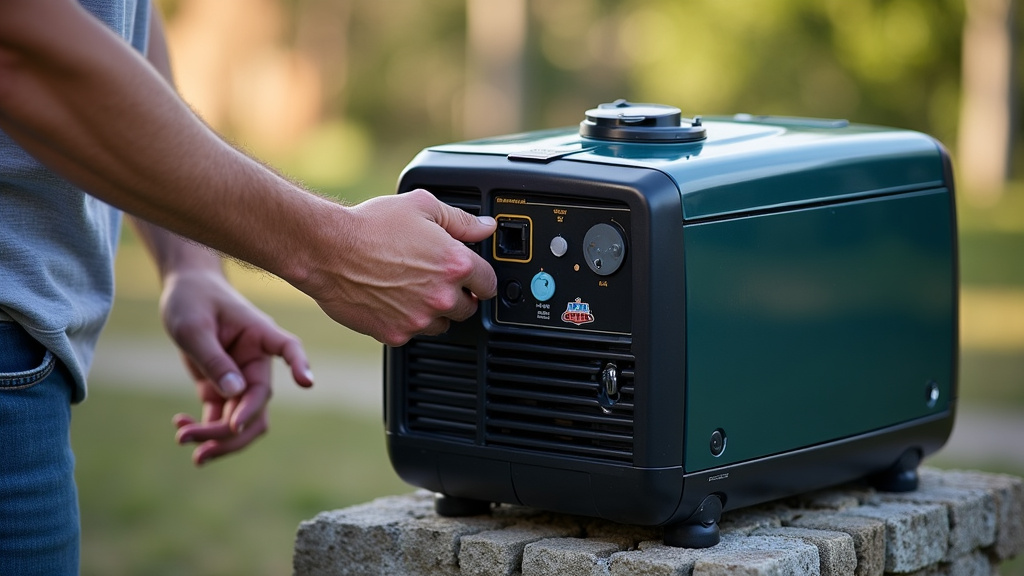
Creating a Security Checklist
Let’s summarize the key steps you can take. Having a checklist makes it easier to ensure you’ve covered all your bases.
- Secure with locks and chains: Use hardened steel chains and robust locks.
- Anchor it firmly: Connect to immovable objects or anchor points.
- Choose a visible spot: Place in an open, well-lit area.
- Add security lighting: Install motion-sensor lights.
- Mark your generator: Engrave your identification details.
- Document everything: Take photos and record serial numbers.
Generator Security: A Quick Comparison
Here’s a look at some common methods and their typical effectiveness:
| Security Method | Pros | Cons | Best For |
|---|---|---|---|
| Chains & Locks | Affordable, portable | Can be cut with specialized tools, requires anchor point | Portable generators, temporary security |
| Bolting Down | Very secure, difficult to remove | Requires permanent installation, not for portable use | Standby generators, stationary units |
| Security Cages | Adds physical barrier, integrates locking | Can be expensive, requires installation | High-value generators, areas prone to theft |
| Visibility & Lighting | Deterrent, low cost | Relies on external factors, not a physical barrier | All types of generators, passive security |
Choosing the right combination of these methods depends on your specific generator and situation. Many experts suggest layering your security. This means using multiple approaches for the best results.
Conclusion
Protecting your generator from theft is a smart investment. You’ve learned that a layered approach works best. Combining sturdy physical barriers like chains and anchor points with strategic placement in visible, well-lit areas makes your generator a less appealing target. Don’t forget the power of identification, like engraving your details or using trackers. These steps significantly reduce your risk. Your next step should be to assess your current setup and implement at least one new security measure this week to give yourself genuine peace of mind.
Frequently Asked Questions
What’s the best way to secure a portable generator?
For portable generators, the most effective method is using a heavy-duty chain and a robust lock. Anchor this chain to a permanent, immovable object, like a heavy fence post set in concrete or a purpose-built anchor. Also, park it in a visible, well-lit area when in use.
How can I prevent someone from stealing my standby generator?
Standby generators are often bolted down, making them very difficult to steal. You can use heavy-duty anchor bolts to secure the unit directly to its concrete pad. Consider also enclosing it in a steel security cage for an extra layer of protection against tampering.
Are generator security cages worth the cost?
Yes, security cages are generally considered worthwhile for higher-value or frequently targeted generators. They provide a strong physical barrier that deters casual theft and makes tampering much harder. The cage itself is secured to the ground, adding another level of resistance.
What’s the most important identifier to put on my generator?
Engraving your driver’s license number or a unique identification code onto the generator’s frame is highly recommended by law enforcement. This makes it much harder for a thief to sell and significantly easier for authorities to identify and return the generator if it’s recovered.
Should I worry about generator theft during a power outage?
Absolutely. Power outages create ideal conditions for generator theft because they are in use and often placed outside for extended periods. Thieves specifically target these times, so it’s vital to have your security measures in place *before* an outage occurs.
