
How to Secure a Generator Against Theft?
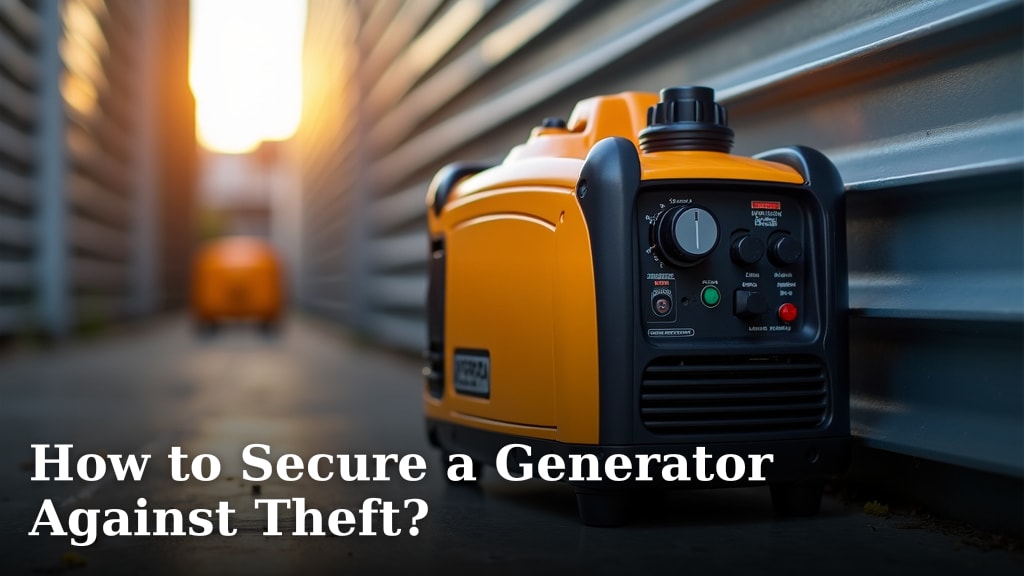
Securing your generator against theft is definitely possible with a few smart steps. You can deter thieves by making your generator harder to steal and less appealing as a target. Thinking about where you store it and using physical locks are key.
Power outages can strike anytime, and your generator is a lifesaver. Unfortunately, it can also be a tempting target for thieves. We found that taking simple precautions can make a huge difference in keeping your equipment safe. It’s about being a little smarter than the average thief.
- Anchor it down securely.
- Use a sturdy lock.
- Choose a visible, well-lit location.
- Keep it out of sight when not in use.
- Consider security cameras.
Let’s walk through exactly how to make your generator less of a tempting target for potential thieves.
Protecting Your Generator from Thieves: A Practical Guide
Securing your generator is about making it a less appealing target. Thieves look for easy opportunities. We found that simple, thoughtful steps can greatly reduce your risk. It’s not about being paranoid, but being prepared.
Your generator is a big investment and a vital tool. Keeping it safe ensures you have power when you need it most. We researched the most effective ways to deter theft. Let’s look at how to make your generator a harder target for anyone looking to steal it.
Anchoring Your Generator: The First Line of Defense
One of the most effective methods is to physically anchor your generator down. This makes it much harder for a thief to simply pick it up and walk away. Think of it like putting a leash on your valuable equipment.
Methods for Securing Your Generator
There are several ways you can secure your generator. The best method for you will depend on the type of generator you have and where you typically store or use it.
Using a Cable Lock or Chain
A heavy-duty cable lock or chain is a straightforward option. You can loop it through the frame of your generator and then secure it to a permanent fixture. This could be a large, securely anchored object or a specially designed anchor point.
Bolting to a Concrete Pad
If your generator is used at a fixed location, like a cabin or workshop, consider bolting it directly to a concrete pad. This requires a bit more effort upfront but offers excellent security. You’ll need a generator with mounting holes and appropriate concrete anchor bolts.
Anchor Points for Portable Generators
For more portable generators, look for models with built-in anchor points. These are loops or holes specifically designed to be used with security cables or chains. Even if it’s portable, making it difficult to move quickly deters most opportunistic thieves.
Choosing the Right Anchor Point
The anchor point itself is just as important as the lock. It needs to be something sturdy that cannot be easily cut or uprooted. A large, heavy tree or a purpose-built concrete foundation are good examples. Avoid flimsy fencing or small structures that a thief could break.
Locking Mechanisms: Beyond the Basic Cable
While a basic cable lock is a start, investing in a robust locking mechanism is a smart move. Thieves often carry bolt cutters, so choosing a lock designed to resist them is key.
High-Security Locks to Consider
Look for locks made from hardened steel. These are much more resistant to cutting. Disc locks or shackle locks with short, thick shackles are often more difficult to break than standard padlocks. Many security experts recommend checking the lock’s rating for its resistance to cutting and picking.
Proper Locking Technique
It’s not just about the lock; it’s about how you use it. Ensure the lock is tight and secure. A loose lock can be easier to tamper with. Always make sure your generator is properly attached to its anchor point before locking it. A chain that’s too long can also be a weakness.
Strategic Placement: Location, Location, Location
Where you store and use your generator plays a huge role in its security. Thieves prefer to work unseen. Making your generator visible can be a surprisingly effective deterrent.
Visible Storage Areas
When not in use, store your generator in a location where it’s visible from your house or a well-trafficked area. A locked shed is good, but if it’s hidden in the dark backyard, it’s more tempting. If it’s in your driveway or a brightly lit yard, thieves are more likely to be spotted.
During Power Outages
During a power outage, you’ll likely be running your generator outside. Try to position it in a place that is well-lit and within your line of sight if possible. Running it on your porch or near a street light can help. We found that visibility is a significant deterrent.
Out of Sight, Out of Mind
Conversely, when the generator is stored long-term, keeping it out of sight from casual passersby is also important. A locked garage or a sturdy, secured shed is ideal. The goal is to make it difficult to even know you have a generator until you need it.
Marking Your Generator for Identification
If, unfortunately, your generator is stolen, having a way to identify it can help law enforcement recover it. This is where marking your equipment comes into play.
Permanent Identification Methods
Consider using a permanent marker to etch your driver’s license number or a unique ID onto a non-moving part of the generator. Many people also use engraving tools for a more permanent mark. Some security services offer micro-dot marking systems as well.
Recording Serial Numbers
Before anything happens, make sure you have recorded the serial number and model number of your generator. Take clear photos of your generator from multiple angles. Keep this information in a safe place, separate from the generator itself, like a digital folder or a fireproof safe.
The Role of Security Cameras and Lighting
Modern technology can be a great ally in protecting your assets. Security cameras and good lighting act as powerful deterrents.
Deterrent Effect of Cameras
Visible security cameras can make thieves think twice. Even dummy cameras can be effective. If you have a system in place, ensure it covers the area where your generator is stored or typically used. Many home security systems allow you to monitor activity remotely.
Well-Lit Areas
Thieves prefer the cover of darkness. Improving the lighting around your storage area or where you run your generator can make a big difference. Motion-activated lights are an excellent, energy-efficient option. They can startle potential intruders and draw attention to the area.
Consider a Generator Security Enclosure
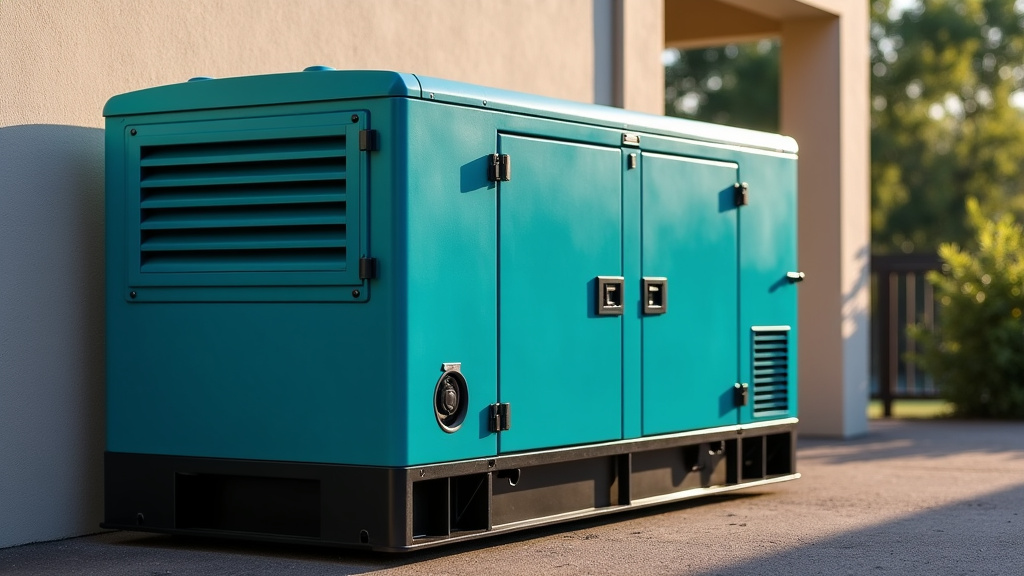
For a more robust solution, especially if you have a larger generator or live in an area with higher theft rates, a generator security enclosure might be worth considering. These are specifically designed to protect generators from the elements and from thieves.
Benefits of Enclosures
These enclosures are often made of heavy-duty steel and are designed to be bolted down. They typically have locking mechanisms that are difficult to bypass. Some are even ventilated to allow the generator to run while secured, offering protection even when in use. They can also reduce noise.
A Quick Checklist for Generator Security
Here’s a handy checklist to ensure you’ve covered the basics:
- Anchor your generator securely to a fixed object or the ground.
- Use a high-quality, hardened steel lock that resists cutting.
- Store your generator in a visible, well-lit area when in use.
- Keep your generator out of sight from casual passersby when stored.
- Record serial numbers and take photos of your generator.
- Install security cameras or motion-activated lighting if possible.
By taking these steps, you significantly reduce the risk of generator theft and ensure your backup power source remains yours.
Conclusion
You’ve learned that keeping your generator safe from thieves is entirely achievable with smart planning. By anchoring it down, using strong locks, and choosing strategic locations, you make it a much less attractive target. We found that combining a few of these methods creates the best defense. Don’t wait for an incident to happen. Take the next step today by identifying the best anchor point and lock for your generator and securing it.
Frequently Asked Questions
How can I secure a generator if I can’t bolt it down?
If bolting down isn’t an option, a heavy-duty cable lock is your best bet. Loop it through the generator’s frame and secure it to something immovable and sturdy, like a large tree or a purpose-built anchor. Make sure the cable is thick and hardened steel resists cutting tools.
Are generator security enclosures worth the cost?
For many people, yes. Security enclosures offer a strong physical barrier against theft and can also protect your generator from weather damage. They are especially useful in areas with high crime rates or if you have a more expensive model. Many are designed to allow you to run the generator while it’s secured.
What’s the best type of lock to use on a generator?
Look for hardened steel locks, such as disc locks or short-shackle padlocks. These are much harder for thieves to cut through than standard locks. Ensure the lock is rated for its resistance to cutting and picking to get the best protection.
How can I make my generator less appealing to thieves?
Thieves look for easy targets. Making your generator visible, especially when in use, can deter them because they don’t want to be seen. When storing it, keep it out of sight from casual passersby, like in a locked garage or shed. Proper lighting also helps by removing cover of darkness.
What if my generator gets stolen anyway? How do I get it back?
The best way to aid recovery is by having identification markers. Engrave your driver’s license number or a unique ID onto the generator. Always keep a record of your generator’s serial number and model number, along with clear photos, in a safe place. This information is vital for law enforcement to identify your property.
