
Can You Learn to Transport a Dual Fuel Generator?
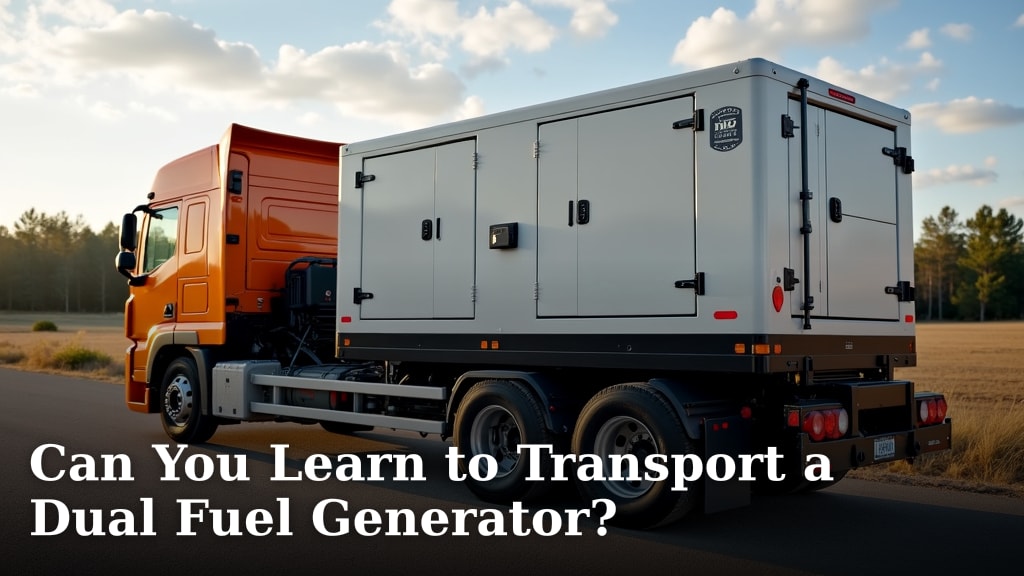
Yes, you absolutely can learn to transport a dual fuel generator safely. It just requires understanding the right techniques and safety precautions. You’ll want to ensure you don’t damage the generator or hurt yourself during the move. This guide will show you the best ways to get your dual fuel generator from point A to point B without a hitch.
Moving these generators involves a bit more than just picking them up. You need to consider their weight, fuel source, and how they are connected. We’ve researched the common challenges and found that preparing your generator properly is key. This includes securing parts and checking connections before you start. It’s about being smart with your approach.
- Prepare your generator before moving.
- Ensure fuel tanks are empty or secured.
- Use proper lifting techniques or equipment.
- Secure the generator during transport.
- Check for damage upon arrival.
Let’s walk through exactly how to get your dual fuel generator moved the right way, step by step.
Transporting a dual fuel generator can seem like a big job. You might wonder if it’s something you can handle yourself. The good news is, with the right preparation and techniques, you absolutely can learn to move your dual fuel generator safely and effectively.
Moving Your Dual Fuel Generator: A Step-by-Step Approach
Getting your generator from one place to another requires more than just brute strength. It’s about being smart and careful. We’ve found that a little planning goes a long way. This guide will break down the process so you feel confident.
1. Understanding Your Generator’s Needs
Before you even think about lifting, take a moment to understand your specific generator. Dual fuel models run on both gasoline and propane. This means you have two fuel systems to consider when preparing for a move. Some generators are lighter, while others are quite heavy. Always check your owner’s manual. It’s your best friend for **specific details and safety warnings**.
Weight and Size Considerations
Generators vary greatly in weight. A small portable unit might be manageable for one person, but larger ones can weigh hundreds of pounds. Always know the **exact weight** of your generator before you plan the move. This will help you decide if you need help or specialized equipment.
Fuel Type Impact
The dual fuel aspect means you have options for fuel. When moving, you’ll need to address both. Propane tanks need to be disconnected and stored properly. Gasoline tanks need to be emptied or at least kept from sloshing. This is a **key safety step** that prevents leaks and spills.
2. Pre-Move Preparations: The Essential Checklist
Preparation is where the magic happens. A well-prepared generator is a safe generator. We’ve found that taking these steps prevents common issues. Think of it like packing for a trip; you wouldn’t just throw things in a suitcase.
Disconnecting Fuel Sources
This is non-negotiable. For propane, you’ll need to safely disconnect the hose from the tank and the generator. Ensure the valve on the propane tank is **turned off completely**. For gasoline, you should aim to run the generator until the fuel tank is nearly empty. If you can’t empty it completely, try to siphon out as much gas as possible. This minimizes the risk of **fuel spillage during transit**.
Securing Loose Parts
Generators often have wheels, handles, or other attachments. These can get in the way or become damaged if not secured. Use strong tape or bungee cords to **fasten any loose components** to the main body of the generator. This keeps everything snug and prevents rattling or breaking.
Cooling Down the Engine
Never attempt to move a generator immediately after it’s been running. The engine and exhaust components get incredibly hot. Allow ample time for the generator to **cool down completely**. This usually takes at least 30 minutes to an hour, but check your manual for specific recommendations. Moving a hot generator is a serious burn risk.
Checking and Tightening Components
Give your generator a once-over. Are all the nuts and bolts tight? Are the wheels secure? A quick inspection can **catch potential problems** before they arise during the move. A loose part can cause imbalance or damage.
3. Lifting and Moving Techniques
Now comes the physical part. How you lift and move the generator is critical for your safety and the generator’s well-being. We’ve seen many people try to muscle through this, often leading to injury or damage. Using the right technique makes all the difference.
When to Use Proper Lifting Techniques
If your generator is light enough, you might be able to lift it yourself. Always bend your knees and keep your back straight. Lift with your legs, not your back. Another person can make the job much easier and safer. Many experts say that having a **second person to assist** is ideal for most portable generators.
Using Moving Equipment
For heavier generators, equipment is your best friend. A **dolly or hand truck** is perfect for moving the generator across flat surfaces like driveways or garage floors. For longer distances or stairs, a heavy-duty appliance dolly with straps can be a lifesaver. Always ensure the dolly is rated for the weight of your generator. Secure the generator to the dolly with straps so it doesn’t shift.
The Importance of Generator Wheels
Many dual fuel generators come with wheels. These are a huge asset for moving. Tilt the generator back onto its wheels, just like you would a wheelbarrow. Then, pull it along. This distributes the weight and makes it much easier to manage. Be careful on uneven terrain, as the generator could tip. Watch out for **obstacles that could snag the wheels**.
4. Securing Your Generator for Transport
Once you’ve moved the generator to your vehicle, the job isn’t done. It needs to be secured for the journey. A generator bouncing around in the back of a truck or SUV is a recipe for disaster. We’ve found that proper securing prevents damage and ensures safety on the road.
Positioning in the Vehicle
Ideally, you want to transport your generator in an upright position. This helps prevent any residual fuel or oil from leaking. If you must transport it on its side, ensure the carburetor is facing upwards. This is a common recommendation from manufacturers to **minimize oil and fuel seepage**.
Using Straps and Tie-Downs
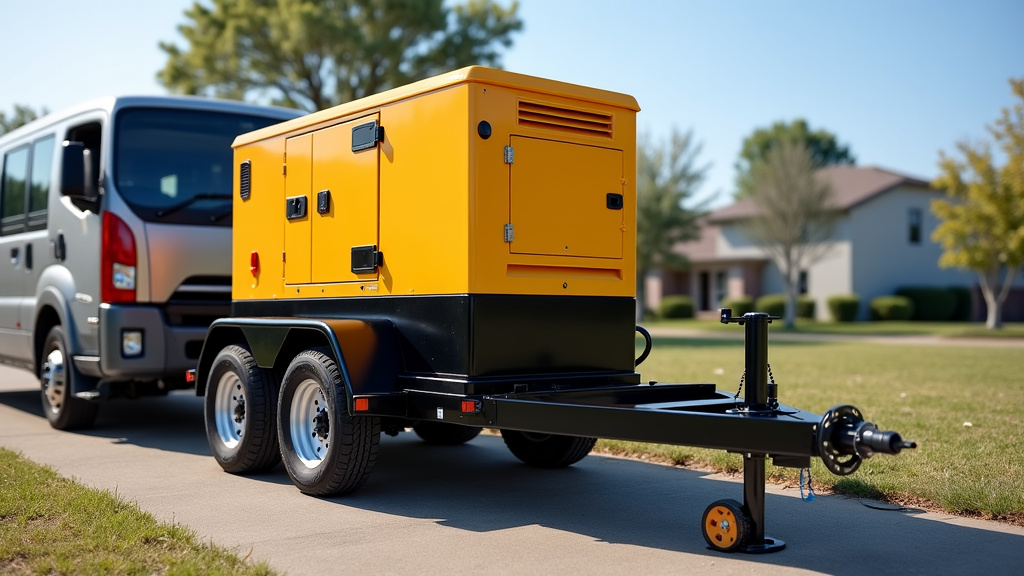
Use sturdy ratchet straps or cargo tie-downs to secure the generator to your vehicle. Attach the straps to solid anchor points in your truck bed or trailer. Make sure the generator cannot move or slide during transit. It should feel completely stable. Check the straps periodically during longer trips to ensure they remain **tight and secure**.
Protecting Against the Elements
Consider covering your generator during transport, especially if you’re expecting rain or a lot of dust. A heavy-duty tarp or a fitted generator cover can offer protection. This helps keep it clean and prevents potential water damage to the electrical components. **Keeping it dry and clean** is always a good idea.
5. Arrival and Setup Safety
You’ve made it! But don’t rush the final steps. Just as preparation was key, careful setup is essential.
Inspection Upon Arrival
Before you unload, give the generator a quick visual inspection. Check for any obvious signs of damage that may have occurred during transport. Are the wheels okay? Is anything bent or broken? If you notice anything, document it. This is important if you need to file an insurance claim or contact the seller. Your **first look is important**.
Reconnecting and Refueling
Once unloaded, you’ll need to reconnect the fuel sources. If you used propane, attach the tank and open the valve slowly, checking for leaks. If you ran it on gasoline, you can now refuel it. Follow your manual’s instructions for the **correct fuel type and amount**.
Testing the Generator
Before relying on your generator, always run a test. Start it up and let it run for a few minutes. Listen for any unusual noises and check that it’s producing power correctly. This ensures everything is working as it should after the move. A quick test saves you trouble later.
So, can you learn to transport a dual fuel generator? Absolutely. By following these steps, you’re well on your way to moving your generator safely and efficiently. It’s about being prepared, using the right tools, and taking your time.
Conclusion
You’ve learned that transporting a dual fuel generator is definitely achievable with the right approach. We’ve covered how to prepare your generator by securing parts and handling both fuel types. You know the importance of using proper lifting techniques or equipment, and how to secure it for travel. Remember, careful planning and execution are your best tools. By following these steps, you can confidently move your generator safely. Your next step is to review your specific generator’s manual to confirm its weight and any unique requirements before you start.
Frequently Asked Questions
What’s the biggest risk when transporting a dual fuel generator?
The biggest risk is likely fuel spillage or leaks. Because you’re dealing with either gasoline or propane (or both), improper handling can lead to fire hazards or environmental damage. Always ensure tanks are empty or properly disconnected and secured.
How do I safely empty the gasoline tank?
The safest way is to run the generator until the fuel tank is almost completely empty. If that’s not possible, use a siphon pump designed for fuel to carefully remove the remaining gasoline into an approved container. Never try to tip the generator to drain it without proper precautions.
Can I transport a dual fuel generator with a full propane tank attached?
No, you should never transport a generator with a propane tank still connected. Always disconnect the propane tank and secure it separately and upright during transport. Ensure the valve on the tank is completely closed.
Do I need special equipment for moving a heavy dual fuel generator?
For heavier models, yes. A heavy-duty dolly or hand truck is highly recommended. Look for one with a weight capacity that exceeds your generator’s weight. Using straps to secure the generator to the dolly makes the move much safer and prevents accidents.
What if my generator has wheels? Does that make it easier to move?
Yes, wheels make a big difference! You can tilt the generator back onto its wheels and roll it like a wheelbarrow. However, be cautious on uneven surfaces or inclines, as it can still tip. Always watch for obstacles that could get caught in the wheels.
