
Quick Garden Cleanup Tips for Busy Gardeners
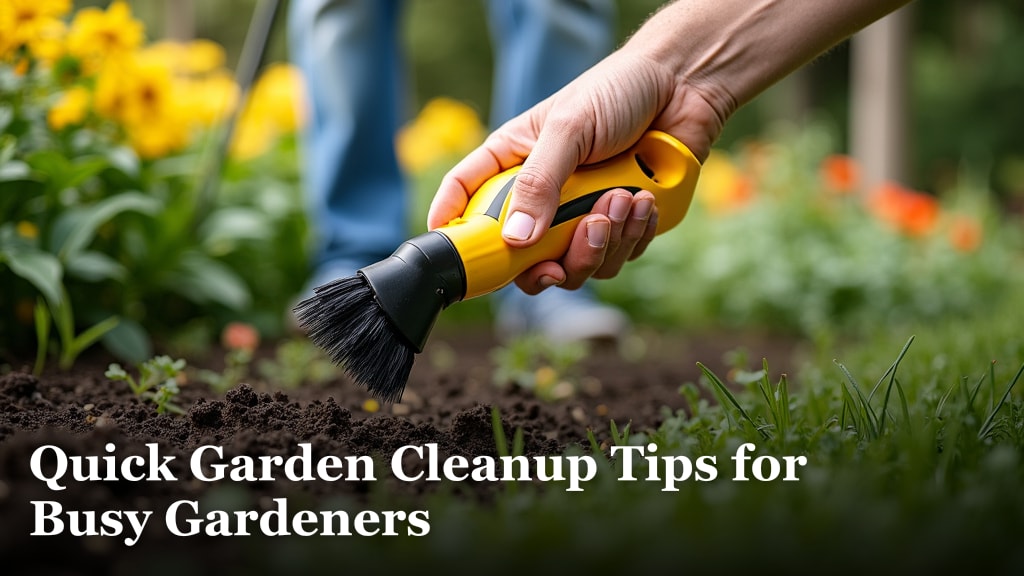
The quickest way to clean your garden is to tackle one zone at a time and use the right tools for the job. Focus on clearing debris, then pruning, and finally, tidying up the edges. Doing this methodically helps you avoid feeling overwhelmed and gets your garden looking its best in no time.
Sometimes your garden can feel like a jungle overnight. Maybe you have a party coming up, or you just need it to look presentable again. Don’t worry, we’ve all been there. Many gardening experts suggest that a systematic approach will save you time and energy. We found that having a plan makes a big difference, turning a dreaded task into something manageable and even satisfying.
- Clear debris like leaves and fallen branches first.
- Prune overgrown plants and dead stems.
- Edge your garden beds for a neat finish.
- Use power tools for larger tasks if available.
- Work from back to front to avoid re-doing work.
Ready to transform your garden from wild to wonderful? Let’s walk through some simple steps to get your garden looking tidy without taking all weekend.
You’ve got a garden that’s looking a bit wild, right? Maybe you have guests coming, or you just want to enjoy a nice outdoor space. It’s easy to feel overwhelmed by the task. But we found that with a few smart strategies, you can get your garden cleaned up quickly. Let’s break down how to make this happen without spending your entire weekend.
Speedy Garden Cleanup Strategies
The key to a fast garden cleanup is to work smart, not just hard. We’ve gathered some expert tips that focus on efficiency. The goal is to get the most impact with the least amount of time and effort. You’ll be amazed at what you can accomplish with a focused plan.
Step 1: The Grand Debris Sweep
Before you do anything else, you need to clear out the loose stuff. Think leaves, fallen branches, and any random garden debris. This is often the most visually impactful first step. It immediately makes your yard look much tidier. Don’t get bogged down in details yet.
Clearing Fallen Leaves
Leaves are the usual suspects in any garden cleanup. If you have a lot, a leaf blower can be a lifesaver. For smaller areas, a good old-fashioned rake works perfectly. Try to direct the leaves into a large tarp or pile them for easy disposal. Many sources suggest doing this before the rain, as wet leaves are heavier and harder to move (University of Maryland Extension).
Gathering Fallen Branches and Debris
Walk through your garden and pick up any fallen branches. Check under bushes and around garden beds. Small twigs can be tossed in with the leaves. For larger branches, you might need pruning shears or a small saw. A wheelbarrow is your best friend here. It makes hauling much easier. You’ll be surprised how quickly these items add up!
Step 2: Taming Overgrown Plants (Pruning Power)
Once the surface is clear, it’s time to address the plants themselves. Pruning might sound daunting, but it’s essential for a clean look and plant health. Focus on the obvious offenders. You’re not aiming for a full horticultural overhaul, just a quick tidy-up.
Deadheading Flowers and Removing Spent Blooms
Spent flowers, or “deadheads,” look messy and can sap plant energy. Snip them off at the stem. This encourages new blooms and makes your flower beds look fresh. Use clean, sharp scissors or pruning shears for a neat cut. Many gardeners find this quickest way to refresh their flowering plants.
Cutting Back Dead or Dying Stems
Look for any stems that are clearly dead or looking brown and crispy. Cut these back to the ground or to a healthy part of the plant. This tidies up the plant’s appearance and prevents diseases from spreading. Research indicates that removing dead plant material is important for overall garden health (Cornell University Cooperative Extension). Don’t overthink it; if it looks dead, it probably is.
Trimming Overhanging Branches
Are branches from shrubs or trees growing over pathways or into other plants? Give them a trim. You don’t need to be a professional arborist. Just use loppers or pruning shears to cut back anything that’s out of place. This opens up your garden and makes it feel more spacious.
Step 3: Defining Your Garden’s Edges
Sharp, clean edges make a huge difference in how tidy your garden looks. This is where you really create definition between your lawn and your garden beds. It’s like putting a frame around a picture – it just makes it pop.
Edging Garden Beds
Use an edger tool, a flat shovel, or even a sturdy hoe to create a clean line between your lawn and your garden beds. You can dig down a few inches to make a clear separation. This stops grass from creeping into your flower beds. Many gardening guides consider this a must-do for a polished look.
Trimming Lawn Edges
If your lawn meets a patio, walkway, or driveway, trim those edges too. A string trimmer or a dedicated lawn edger can do this quickly. This detail work might take a little longer, but the effect is dramatic. It’s the difference between a “meh” yard and a “wow” yard.
Tools That Speed Up the Process
Having the right tools can honestly cut your garden cleanup time in half. You don’t need a shed full of expensive equipment. A few key items will make a big difference. Think about what tasks you’ll be doing most and choose tools accordingly.
Essential Hand Tools
These are your workhorses for most tasks. Make sure they are clean and sharp before you start. Dull tools make more work for you and can damage plants. Good quality hand tools will last for years.
- Pruning Shears/Secateurs: For cutting smaller branches and deadheading flowers.
- Loppers: For thicker branches that are too tough for hand pruners.
- Hand Trowel and Cultivator: For weeding and loosening soil around plants.
- Sturdy Rake: For gathering leaves and debris.
- Shovel or Spade: For edging and moving larger piles of material.
Power Tools for Big Jobs
If you have a larger garden or a lot of heavy debris, power tools can be a real game-changer. Always follow safety instructions when using power equipment. Make sure you have the right safety gear, like gloves and eye protection.
- Leaf Blower: Fantastic for clearing large areas of leaves quickly.
- String Trimmer (Weed Eater): Great for tidying lawn edges and around obstacles.
- Hedge Trimmers: Useful for quickly shaping shrubs and removing excess growth.
Using power tools isn’t cheating; it’s working smarter! Many experts agree that appropriate tool selection is key to efficient garden maintenance.
The Workflow: Where to Start and How to Finish
How you approach the actual cleaning can save you time. Working in a logical sequence prevents you from having to redo tasks. We found that a “back-to-front” approach is often the most effective.
Working from Back to Front
Start cleaning in the farthest part of your garden from your house or exit point. Work your way backward towards the exit. This way, you aren’t walking over areas you’ve already cleaned. Imagine painting a room; you start at the back and work your way out. It’s the same principle.
Why this helps: You avoid trampling freshly raked areas or knocking new debris onto cleared paths. It’s a simple but effective way to maintain your progress and avoid wasted effort.
Zone Cleaning: One Area at a Time
Don’t try to tackle the whole garden at once. Break it down into smaller, manageable zones. This could be a specific flower bed, a section of lawn, or around a patio. Focus all your cleanup efforts on that one zone until it’s done. Then move to the next.
Example zones:
- The front flower beds
- The vegetable garden area
- The lawn
- Around the patio/deck
This method keeps you from feeling overwhelmed. Completing one zone provides a sense of accomplishment and motivates you to continue. It’s a psychological win that keeps you going.
Quick Weeding and Tidying
Weeds can make your garden look unkempt in no time. Tackling them quickly is important. For a fast cleanup, focus on the most visible or invasive weeds.
Weeding Strategy for Speed
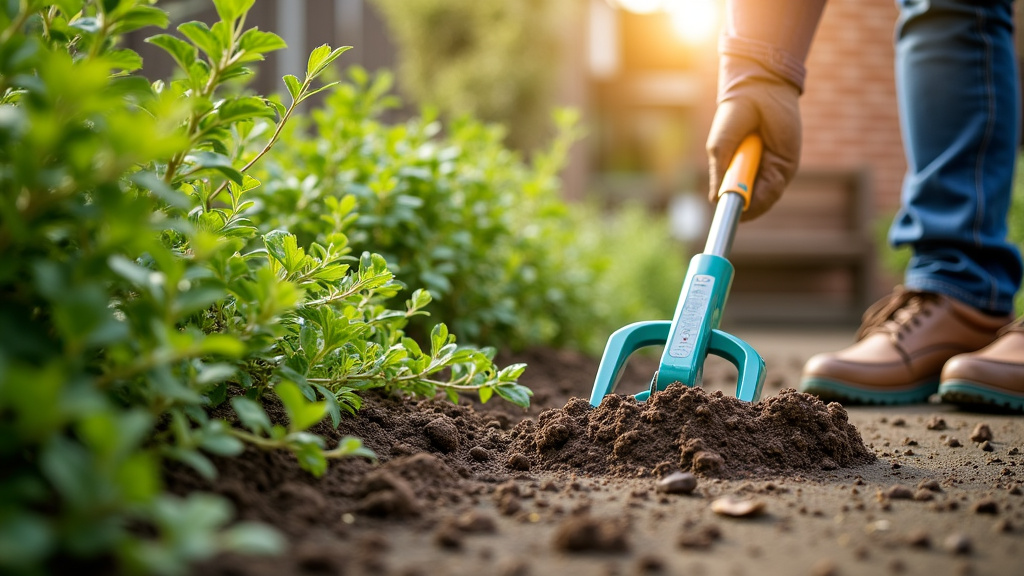
Pull weeds by hand when the soil is moist. They come out easier, roots and all. For areas with lots of small weeds, a garden fork or hoe can be useful to loosen the top layer of soil and uproot them. If you have a large area with tough weeds, consider a specialized weeding tool.
Mulching for Future Prevention
While not strictly a cleanup task, a quick layer of mulch can really tidy up garden beds and suppress future weeds. It gives a uniform, finished look. It also helps retain moisture for your plants. If you have mulch on hand, spreading a thin layer is a fast way to improve appearance.
Final Touches for a Polished Look
You’re almost there! These small details make a big difference in the final impression.
Rinsing Off Patios and Walkways
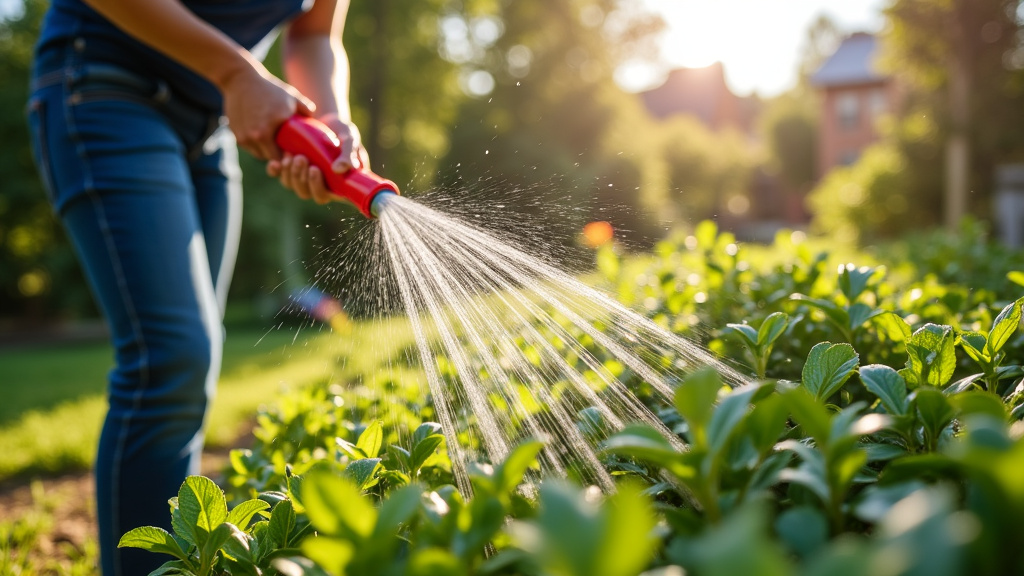
Sweep or blow any debris off your patio, deck, or walkways. If they’re looking grubby, a quick rinse with a hose can work wonders. For tougher grime, a stiff brush and some water might be needed. This step instantly makes your outdoor living space feel cleaner.
Securing Loose Items
Make sure any garden furniture, pots, or decor are neatly arranged. Put away tools that you’re finished with. A tidy space looks more intentional and cared for. It’s the final step to making your garden feel truly clean and inviting.
Here’s a quick checklist to guide your speedy cleanup:
- Clear all fallen leaves and debris.
- Deadhead spent flowers and remove dead stems.
- Trim any overgrown or wayward branches.
- Edge garden beds and lawn borders sharply.
- Sweep or hose down hard surfaces like patios.
- Arrange garden furniture and put away tools.
By following these steps, you can transform your garden from a chore list into a space you love, much faster than you might think!
Conclusion
You’ve learned how to transform your garden from overgrown to immaculate without sacrificing your entire weekend. Remember, the key is a systematic approach: clear debris first, then prune, and finally define those edges. Focusing on one zone at a time and using the right tools, like a leaf blower for fallen leaves or pruning shears for unruly stems, makes a huge difference. By working from back to front and tackling tasks efficiently, you’ll achieve a beautifully tidy garden. Now, go enjoy your refreshed outdoor space!
Frequently Asked Questions
How can I quickly remove a lot of fallen leaves?
For large areas, a leaf blower is your best bet for speed. If you don’t have one, use a sturdy rake to gather leaves into a large tarp or pile. Getting them moved before rain makes them much easier to handle.
What’s the fastest way to make garden beds look neat?
The quickest way to tidy garden beds is to focus on the most visible tasks. Deadhead spent flowers and trim any obviously dead stems. Then, create clean edges between the beds and the lawn using an edger or shovel for a sharp, defined look.
I have large branches on the ground. How do I clear them fast?
For fallen branches, a wheelbarrow is essential for quick transport. Use loppers or a small saw for thicker pieces. If you have a lot, consider borrowing or renting a wood chipper if safety permits.
My lawn edges are messy. How do I fix them quickly?
A string trimmer (weed eater) is incredibly effective for quickly tidying up messy lawn edges against sidewalks, driveways, or garden beds. For an even sharper look, you can follow up with a manual edger or flat shovel.
What if I only have a little time, like 30 minutes?
In just 30 minutes, focus on the most impactful visual tasks. This usually means clearing all visible debris like leaves and stray branches. Then, quickly deadhead any flowers that are past their prime. This will make the biggest immediate difference.